



The Consumer Electronics Show, better known as CES, is the world’s largest consumer technology event, and it’s underway in Las Vegas. It takes over the city every January for four days and draws global attention from tech companies, startups, researchers, investors and journalists, of course.
CES is where many of the products that shape the next few years of consumer tech first appear. Think of it as a preview of what may soon land in our homes, hospitals, gyms, and workplaces.
At CES 2026, flashy gadgets and robots are everywhere, but health technology is drawing some of the most attention. Across the show floor, companies are focusing on prevention, recovery, mobility, safety, and long-term well-being. These 10 health tech products stole the spotlight in Las Vegas and hint at where wellness innovation could be headed next.

Credit: CES
The 10 health tech products turning heads at CES 2026
From AI-driven health insights to tools designed to reduce everyday risk, these are the health tech products people are stopping to look at on the CES 2026 show floor.
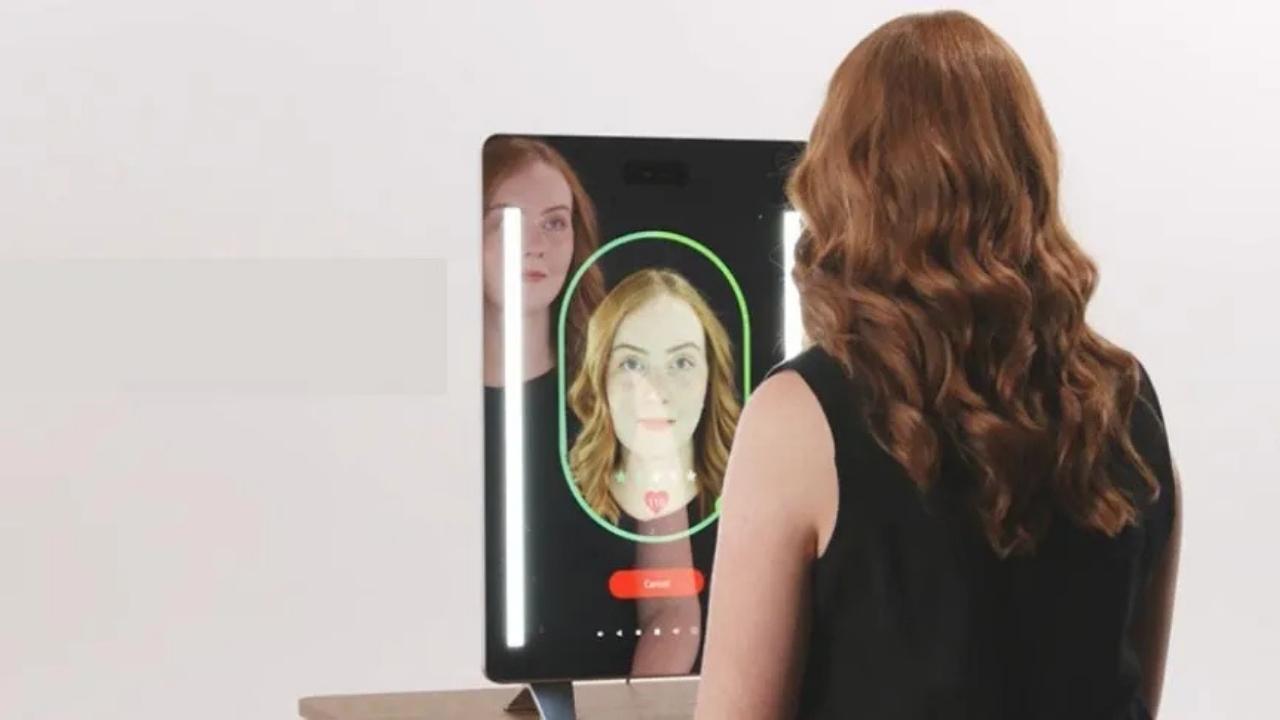
1) NuraLogix Longevity Mirror predicts your health in 30 seconds
Credit: NuraLogix
NuraLogix introduced a smart mirror that turns a short selfie video into a snapshot of your long-term health outlook. The Longevity Mirror analyzes subtle blood flow patterns in your face using AI and scores metabolic health, heart health, and physiological age from zero to 100.
Results appear in about 30 seconds along with clear explanations and recommendations. The AI was trained on hundreds of thousands of patient records, which helps translate raw data into understandable insights.
The mirror supports up to six user profiles. It launches in early 2026 for $899 and includes a one-year subscription. After this, the subscription costs $99 per year. Optional concierge support connects users with nutrition and wellness experts.
2) Ascentiz walking exoskeletons keep getting lighter and more practical

Credit: Ascentiz
Ascentiz showed how mobility tech is shifting toward real-world use at CES 2026. The Ascentiz H1 Pro walking exoskeleton stood out for its lightweight, modular design, which reduces strain while supporting motor-assisted movement across longer distances.
The system uses AI to adapt assistance to the user’s motion and terrain, making it useful on inclines and uneven ground. A belt-based attachment system keeps the device compact and easy to wear, while dust- and water-resistant construction supports outdoor use in different conditions.
For users who need more power, Ascentiz also offers Ultra and knee or hip-attached models that deliver stronger assistance. Together, the lineup shows how exoskeletons are moving beyond clinical rehab and toward everyday mobility support.
Watch the latest episode of The CyberGuy Report.

Missed this event? Sign up via the registration form and see our live recording.
See Kurt’s latest Amazon picks for useful gadgets, smart home upgrades and everyday tech worth grabbing while the deals last.
3) Bambini Kids brings powered walking to pediatric rehab

Credit: Cosmo Robotics
Cosmo Robotics earned a CES Innovation Award for Bambini Kids, the first overground pediatric exoskeleton with powered ankle motion. It is designed for children ages 2.5 to 7 with congenital or acquired neurological disorders.
The system offers both active and passive gait training modes. Encouraging guided and natural movement helps children relearn walking skills while reducing complications linked to conditions like cerebral palsy.
4) Sunbooster turns desk work into sunlight exposure

Credit: SunLED
If you spend most of your day indoors, one of the wellness products drawing attention at CES 2026, Sunbooster, offers a practical way to replace a missing part of natural sunlight.
The device clips onto a monitor, laptop, or tablet and projects near-infrared light while you work, without adding noise or disrupting your routine.
Near-infrared light is a natural component of sunlight linked to energy levels, mood, and skin health. Sunbooster uses patented SunLED technology to deliver controlled exposure and tracks daily dosage, encouraging two to four hours of use during screen time.
The technology has been tested in human and laboratory studies conducted at the University of Groningen and Maastricht University, adding scientific backing to its claims. The company is also developing a phone case and a monitor with built-in near-infrared lighting, which could make sunlight replacement even more seamless in indoor environments.
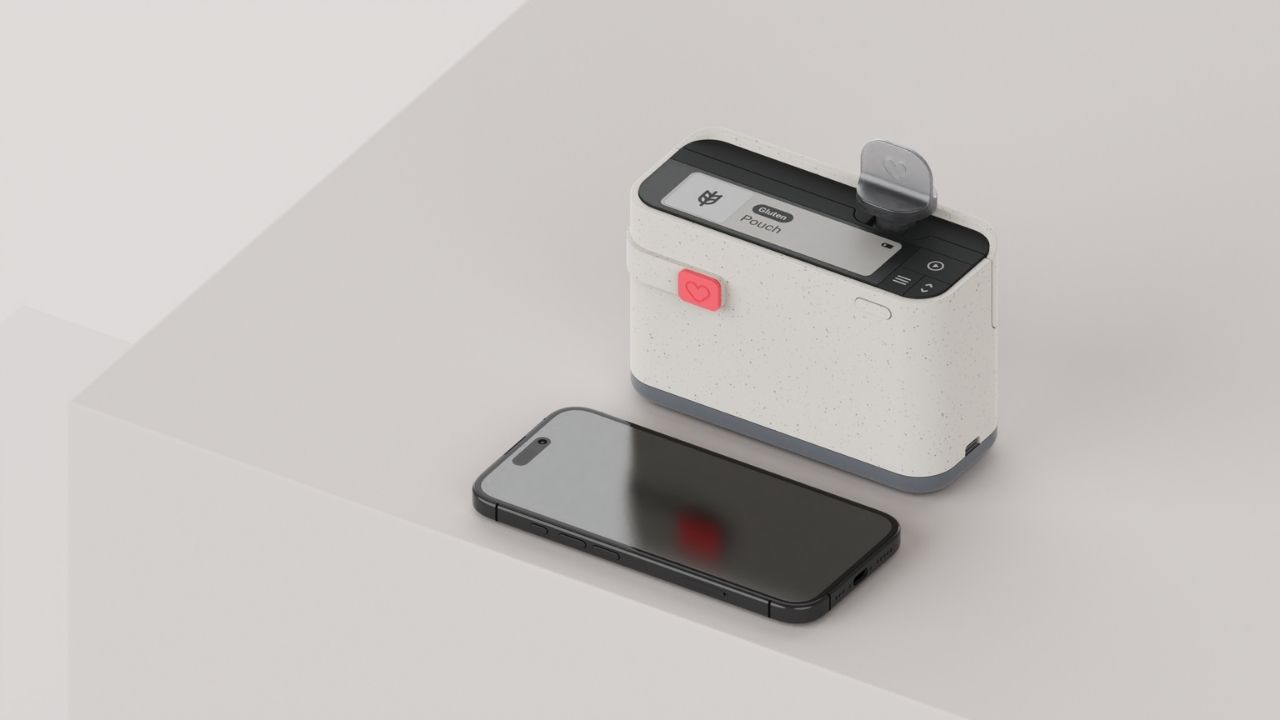
5) Allergen Alert brings a pocket-sized lab to the table
Credit: Allergen Alert
Allergen Alert tackles one of the most stressful parts of eating out with food allergies. The handheld device tests a small food sample inside a sealed, single-use pouch and detects food allergens or gluten directly in a meal within minutes.
Built on laboratory-grade technology derived from bioMérieux expertise, the system automates the entire analytical process and delivers results without requiring technical knowledge. The company says the technology has attracted interest from highly demanding environments, including Michelin-starred restaurants, as a way to help reduce cross-contamination risk.
At CES 2026, Allergen Alert positioned the device as a tool designed to restore confidence and inclusion at the table. The mini-lab will be available for pre-orders at the end of 2026, with plans to expand testing to additional common allergens in the future.
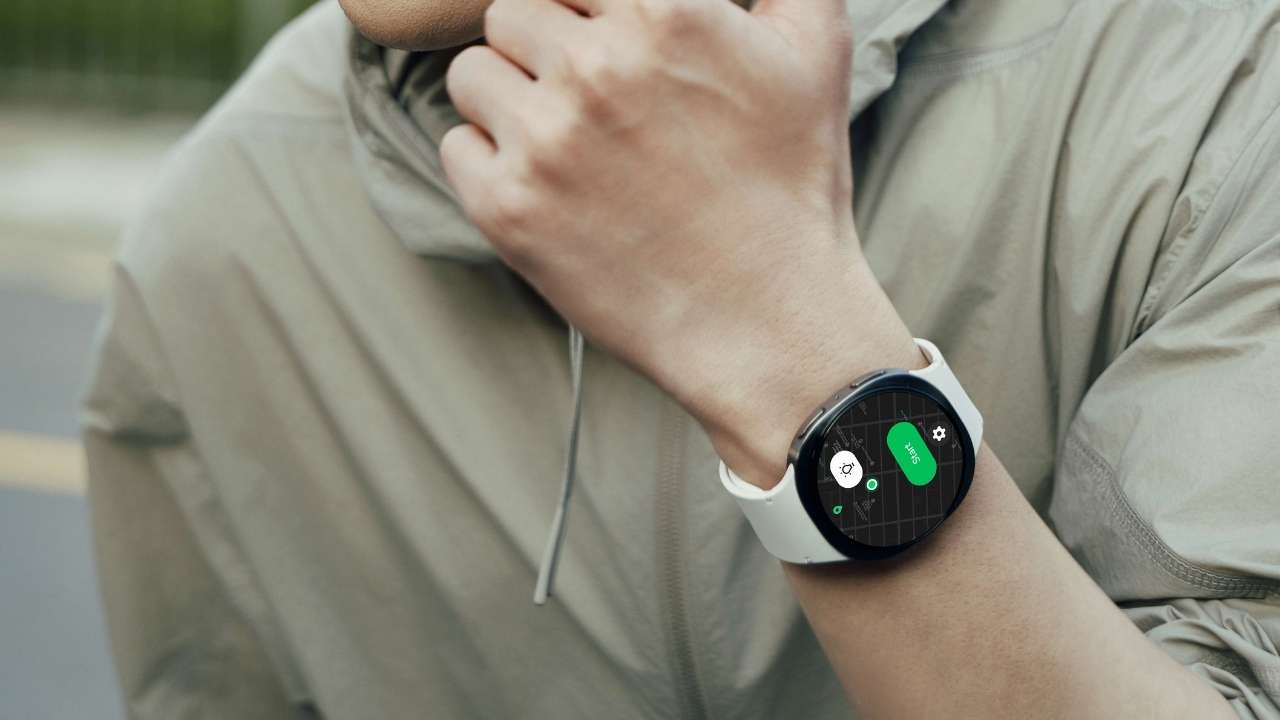
6) Samsung Brain Health explores early cognitive changes
Credit: Samsung
Samsung previewed Brain Health, a research-driven feature designed for Galaxy wearables that analyzes walking patterns, voice changes, and sleep data to flag potential early signs of cognitive decline.
The system draws on data from devices like the Galaxy Watch and Galaxy Ring to establish a personal baseline, then looks for subtle deviations linked to early dementia research. Samsung emphasizes that Brain Health is not intended to diagnose medical conditions. Instead, it aims to provide early warnings that encourage people and their families to seek professional evaluation sooner.
Samsung plans for future beta availability, but no public release date has been confirmed. At CES 2026, people can check out the feature during an in-person demo.
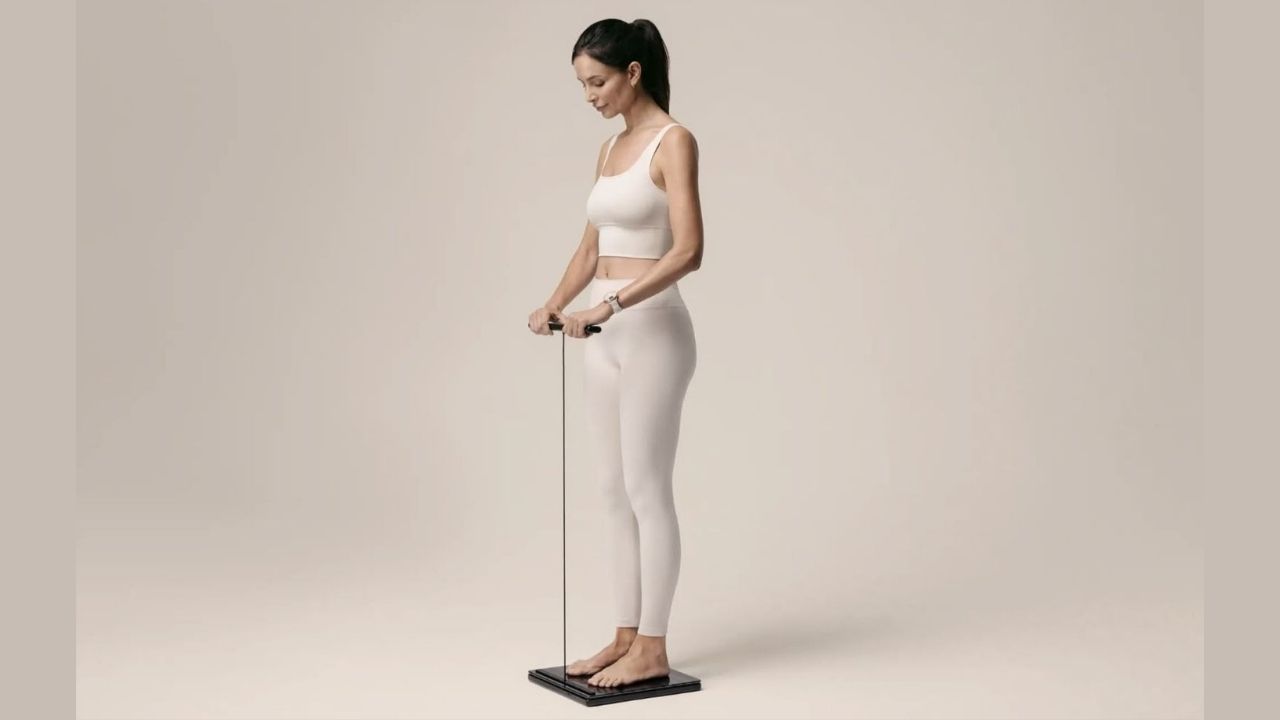
7) Withings BodyScan 2 turns a scale into a health hub
Credit: Withings
Withings is rethinking what a bathroom scale can do with BodyScan 2, which earned a CES 2026 Innovation Award. In under 90 seconds, the smart scale measures ECG data, arterial stiffness, metabolic efficiency, and hypertension risk.
The connected app helps users see how stress, sedentary habits, menopause, or weight changes affect cardiometabolic health. The focus shifts away from weight alone and toward early health signals that can be tracked over time.
8) Garmin Venu 4 focuses on health trends, not single stats

Credit: Garmin
Garmin earned a CES Innovation Honore Award for the Venu 4 smartwatch. A new health status feature highlights when metrics like heart rate variability and respiration drift away from personal baselines.
Lifestyle logging links daily habits to sleep and stress outcomes. With up to 12 days of battery life, the watch supports continuous tracking without nightly charging.
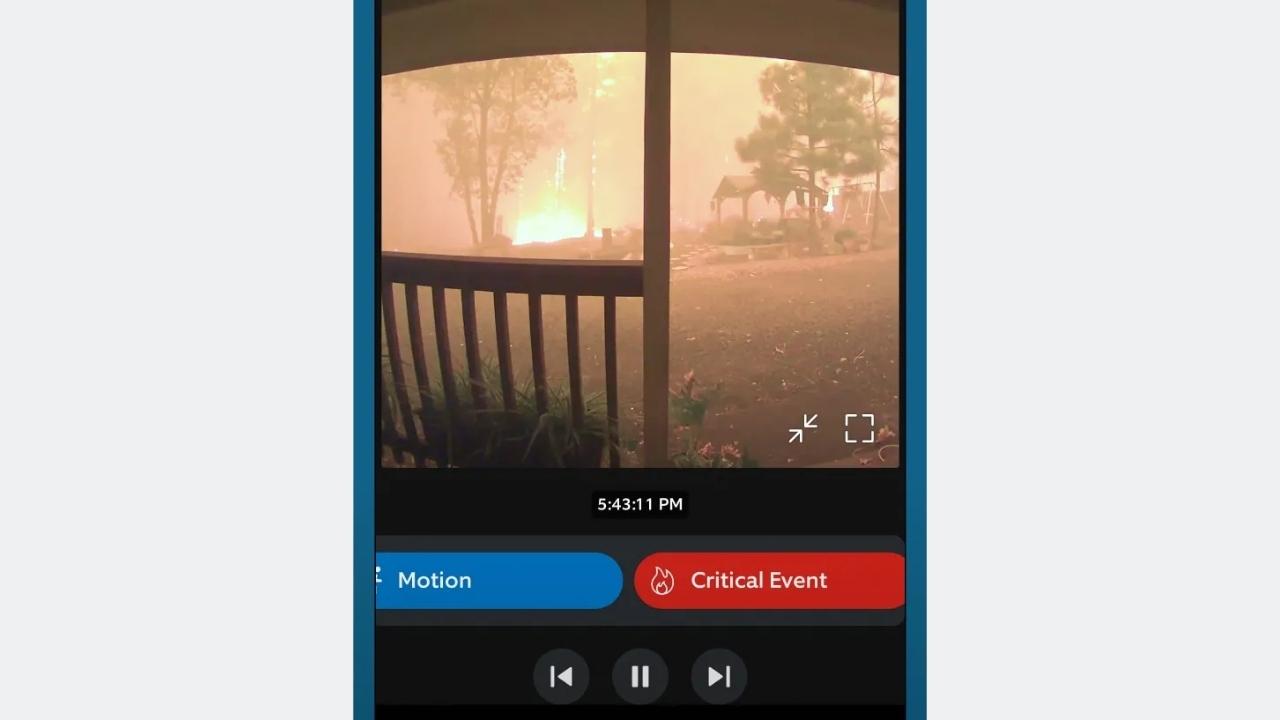
9) Ring Fire Watch turns doorbells into wildfire sensors
Credit: Ring
Ring introduced Fire Watch, an opt-in feature that uses AI to detect smoke and flames from compatible cameras. During wildfires, users can share snapshots with Watch Duty, a nonprofit that distributes real-time fire alerts to communities and authorities.
It shows how existing home tech can play a role in public safety during environmental emergencies.
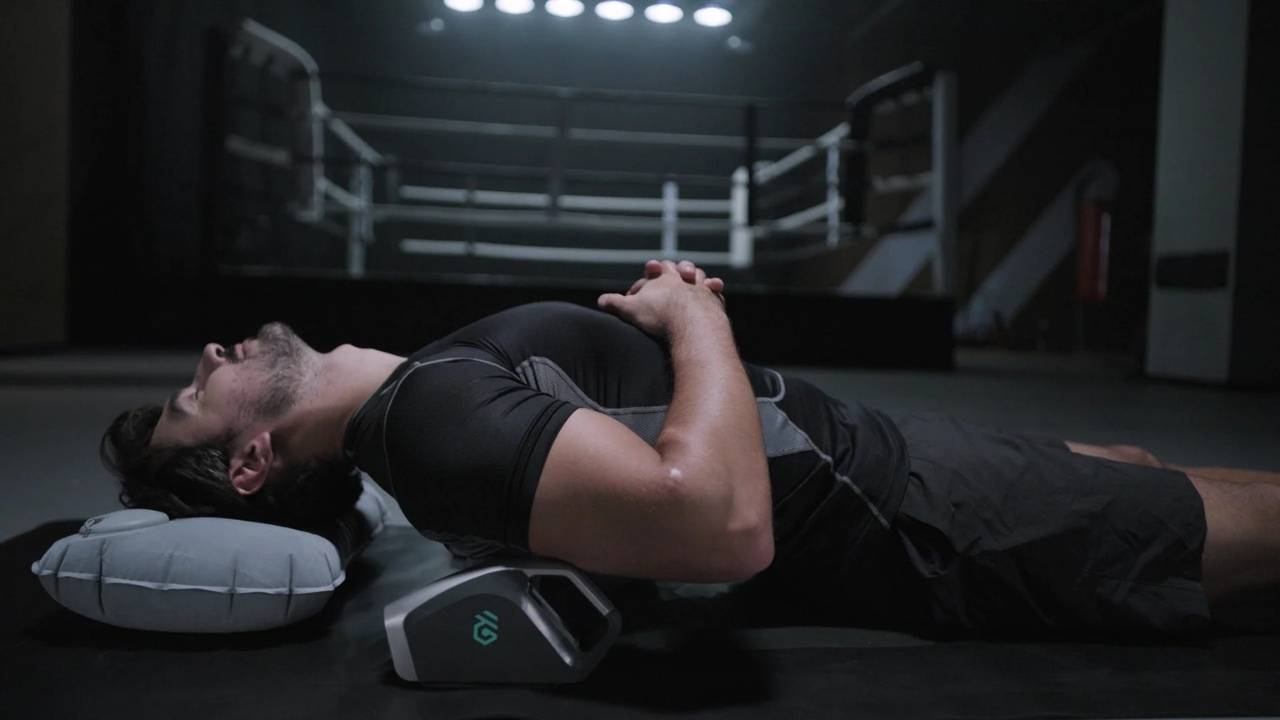
10) RheoFit A1 delivers hands-free AI recovery
Credit: RheoFit
RheoFit A1 may be the most relaxing health gadget at CES 2026. The AI-powered robotic roller glides beneath your body to deliver a full-body massage in about 10 minutes.
With interchangeable massage attachments and activity-specific programs, it targets soreness from workouts or long hours at a desk. The companion app uses an AI body scan to adapt pressure and focus areas automatically.
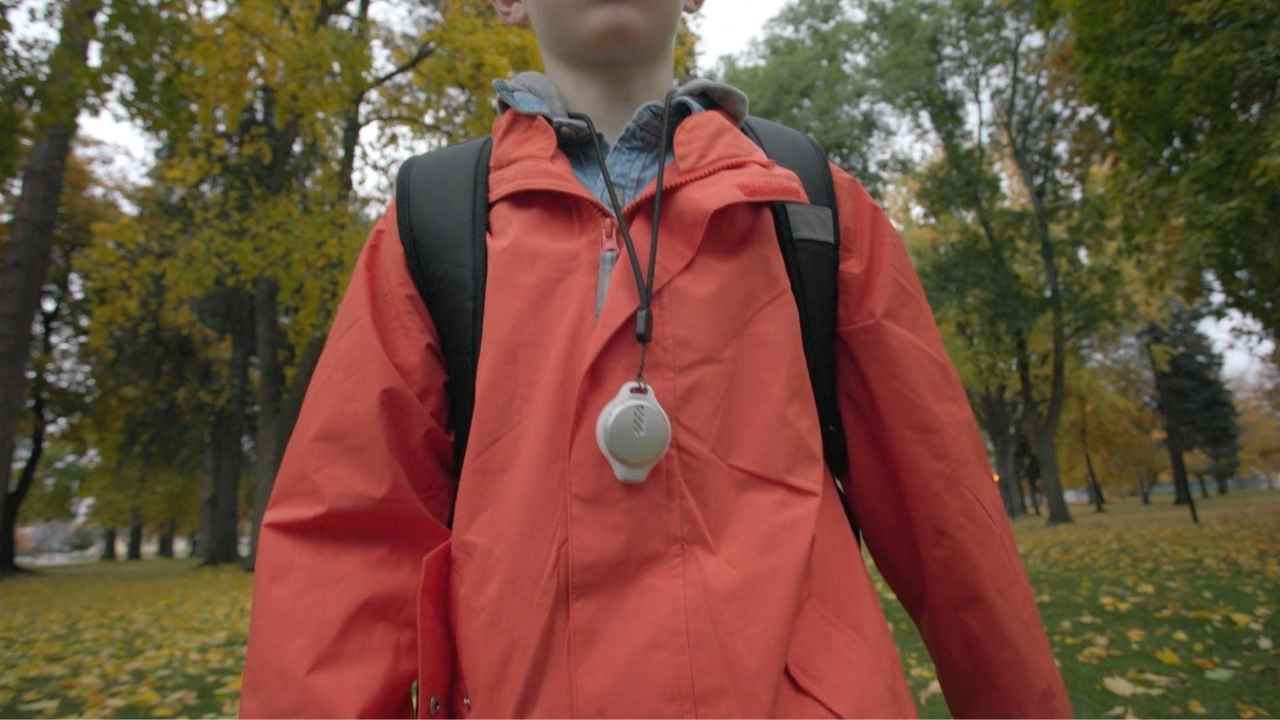
Honorable mention: isaac offers a needle-free approach to glucose awareness
Credit: PreEvnt
One device in particular has been generating buzz for taking a very different approach. The isaac device from PreEvnt is designed to monitor glucose-related changes without needles, sensors, or skin contact.
Instead of piercing the body, isaac analyzes your breath. It looks for changes in volatile organic compounds, especially acetone, which has long been linked to rising blood glucose. When those levels shift, the device can alert users before symptoms become serious.
The goal is not to replace traditional glucose meters. Instead, isaac aims to provide early awareness while reducing the daily burden of finger pricks and invasive sensors. That approach could be especially meaningful for families, caregivers, and anyone who struggles with constant testing.
More:
CES 2026 showstoppers: 10 wild tech reveals you have to see
Related Links:
- Best allergy-relief tech for a cleaner, healthier home
- Best tech to help a loved one with memory issues
- 5 Best Smart Home Upgrades for 2025: Top tech picks
Kurt’s key takeaways
CES 2026 showed how health tech is becoming more practical and more personal. Many of the products on this list focus on catching problems earlier, reducing everyday stress, and helping people make better decisions about their health. From tools that flag potential health risks to devices that improve safety at home, the real shift is toward technology that fits naturally into our daily lives.
Which of these CES 2026 health tech products would you actually use first in your daily life, and what problem would it solve for you? Let us know in the comments below.
FOR MORE OF MY TECH TIPS & SECURITY ALERTS, SUBSCRIBE TO MY FREE CYBERGUY REPORT NEWSLETTER HERE
Copyright 2026 CyberGuy.com. All rights reserved. CyberGuy.com articles and content may contain affiliate links that earn a commission when purchases are made.
🎙 Now Streaming: My New Podcast: The CyberGuy Report
Kurt’s Top Deals
Deals move fast and inventory can be limited, so don’t wait too long.
| 🔥 Editor’s pick  Summer entertaining Ninja SLUSHi Machine (26% off) Frozen drinks and slushies at home in minutes. | |
| 💰 Top deal 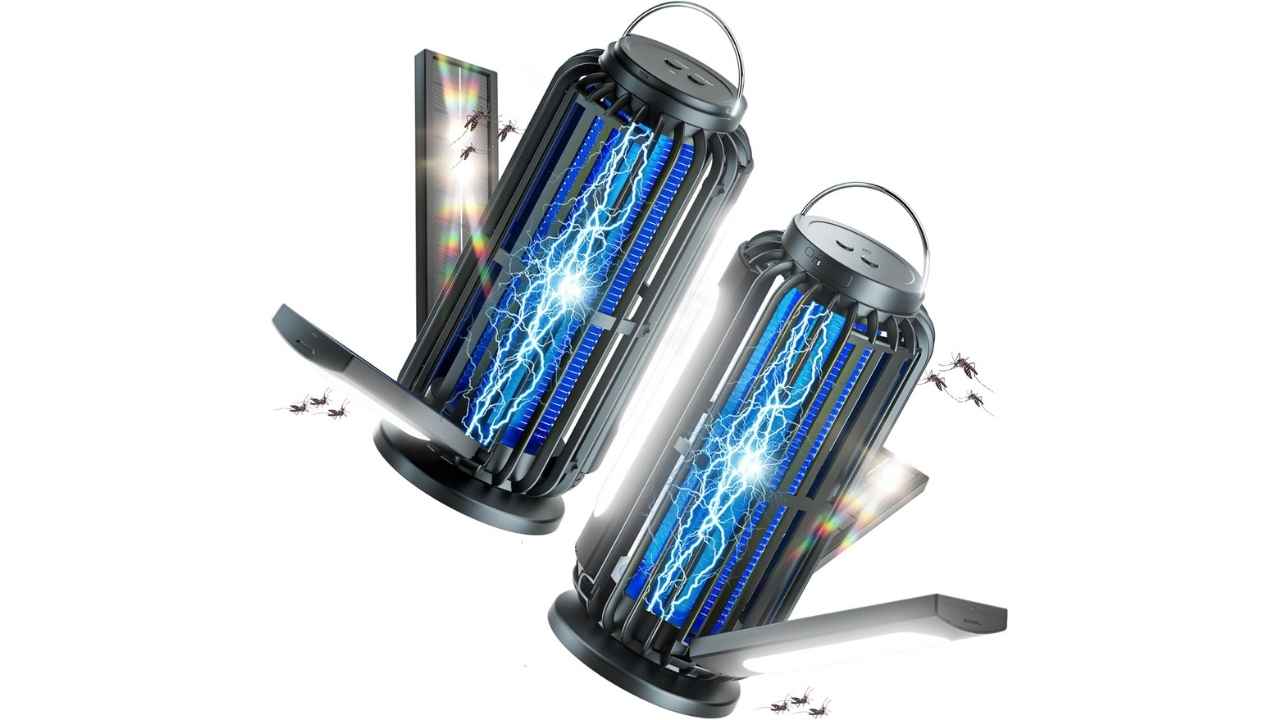 Outdoor essential TYPEC Solar Bug Zapper (36% off) Solar-powered bug zappers for patios and camping. |


