



Welcome back to Beyond Connected! Thanks for listening in, and if you like what you hear, come back every Wednesday for a new episode.
Dorothy Rhode received what appeared to be a legitimate Apple Pay fraud alert — the kind of message many of us might trust without a second thought. When she called the number in the text, the man on the other end already knew her name, address, and even which banks she used.
He claimed she was being targeted by corrupt bank employees, said he was working with the FBI and FDIC, and instructed her to withdraw $15,000 in cash immediately — and tell no one.
What happened next is exactly why Dorothy is sharing her story.
In this episode, Kurt breaks down how this scam works, why even smart and cautious people can fall for it, and the exact steps you should take if it ever happens to you.
You’ll learn:
- How scam texts can look almost identical to real fraud alerts
- Why scammers often already know personal details before they call
- What to say to a bank teller if something feels off
- How to set withdrawal limits for extra protection
- Why hanging up immediately is often your safest move
- How to filter unknown callers and texts on your iPhone
- Why the Do Not Call Registry won’t protect you
- The biggest red flags: urgency, secrecy, and requests for cash
This is one every reader and listener should hear.
Watch:
Tap the speaker 🔊 icon to turn on sound
Or Listen:
Subscribe:
Apple | Spotify | YouTube – (Plus, subscribe to my channel to stay up to date on the latest episodes)
How to stay safe from Apple Pay text scams
You do not need to outsmart scammers. You just need to slow the situation down.
1) Never trust the number in the message
If you get a suspicious text, do not call the number provided. Look up the official number yourself.
2) Pause before you act
Scammers rely on urgency. Take a moment. Real companies will not rush you like this.
3) Never move money on someone else’s instructions
No bank, tech company or government agency will ask you to withdraw cash to “protect” it.
4) Use strong antivirus software
Strong antivirus software such as Norton Antivirus Plus (CyberGuy Deal: 58% off) can help detect malicious links, block scam websites and warn you before you engage with risky content.
- Strong real-time protection against viruses, malware, ransomware and hacking attempts
- AI-powered scam protection to help identify suspicious emails, texts and websites
- Built-in password manager to securely store and manage logins
- 2 GB PC cloud backup to help protect important files from ransomware or hardware failure
- Smart firewall and phishing protection
- Protects 1, 3 or 5 devices
- Available for Windows, macOS, Android and iOS
- Includes real-time threat protection, smart firewall and phishing protection to guard against online attacks
5) Remove your personal data from the web
Scammers often use data from breaches to sound convincing. A data removal service like Incogni can help reduce your exposure and limit what criminals can find about you online.
Incogni, a service I trust 100% and use myself, helps automate the process by submitting removal requests to hundreds of data brokers and people-search sites on your behalf. Incogni automatically contacts data brokers on your behalf and requests the removal of your personal information. It also continues monitoring those sites and submits new removal requests if your data reappears. CyberGuy readers get 60% off Incogni’s annual plans using the links in this article. The service also includes a 30-day money-back guarantee, so you can try it risk-free and see how much of your information is exposed online.
Is your personal information exposed online?
Run a free scan to see if your personal info is compromised. Results arrive by email in about an hour.
6) Talk to someone you trust
A quick conversation with a friend, family member or bank employee can stop a scam cold.
7) Add extra protection
Consider identity monitoring services such as Aura that alert you if your information is being misused.
Exclusive CyberGuy deal: Save up to 68% today: Get Aura’s award-winning identity theft protection and credit monitoring for as low as $9/month when billed annually.
What to do if this happens to you
Even if you did not lose money, take a few steps right away:
- Contact your bank using the number on your card
- Place a fraud alert on your credit
- Consider freezing your credit
- Monitor your accounts closely
- Block any follow-up calls or texts
These steps help protect you from future attempts.
Have a question for Kurt? Call 877-655-KURT and leave a voicemail.
Consent notice: By leaving a voicemail, you grant Beyond Connected and CyberGuy permission to record, edit, reproduce, and publicly broadcast your voicemail, voice, and first name in current and future podcast episodes and related media, including digital and promotional content. If you do not wish for your message to be used, please clearly state this at the beginning of your voicemail.
Check out the links below, or scroll down for tutorials on each platform, and don’t forget to drop a comment with what you want to hear next – we’re building this together.
Apple | Spotify | YouTube – (Plus, subscribe to my channel to stay up to date on the latest episodes)
New to podcasts?
Think of them like on-demand radio shows you can listen to anytime-while driving, walking, cooking, or relaxing. You can stream episodes straight from our website or listen through apps like Apple Podcasts, Spotify, or Google Podcasts. Just tap Follow to get new episodes automatically, no subscription needed.
How to Listen on Apple Podcasts
On iPhone / iPad (iOS)
- Open the Podcasts app (it comes pre-installed on iPhones).
- Use the Search tab to find your podcast by name.
- Tap the show in the results to go to its page.
- Browse episodes and tap Play on the episode you want.
- Tap Follow (or Subscribe) to add the podcast to your library.
- To adjust playback (speed, skip intervals, etc.), tap the mini player and expand to full screen.
- You can download episodes for offline listening.
On Web / Other Devices
- You can also listen on the Apple Podcasts web player by visiting podcasts.apple.com in a browser. Search for your podcast and play episodes directly.
- On Apple’s site, there are browse and chart sections for discovering new shows.
How to Listen on Spotify
On Mobile / Tablet
- Open the Spotify app on your phone or tablet.
- Tap the Search tab (🔍).
- Type the name of your podcast in the search bar and select it from the results.
- On the podcast’s page, browse the episode list.
- Tap an episode to open its detail screen.
- Tap Play to start listening.
- (Optional) Tap Follow (or “+”) on the podcast page to subscribe. That way new episodes show up in Your Library or Home under “Podcasts & Shows.”
- You can also download episodes (tap the download arrow) to listen offline.
Tip: In your Spotify settings under Data Saver / Streaming, you can switch to Audio-only mode (if a video podcast is available) to save data.
On Desktop / Web
- Go to the Spotify website or open the Spotify desktop app.
- From the left sidebar, click Browse (or “Podcasts & Shows”).
- Select a podcast, then click its cover art to view episodes.
- Hover over an episode and click the play button (or click the episode title, then click Play).
How to Listen on YouTube
On YouTube (Video Podcast)
- Open the YouTube app (mobile or tablet) or go to youtube.com in your browser.
- In the search bar, type your podcast’s name (or your show’s YouTube channel name).
- Find the video for the episode and tap to play.
- If you want to be notified of new episodes, tap Subscribe on the channel and click the Bell icon to turn on notifications.
- While watching, you can pause, skip ahead, rewind, and adjust volume just like any video.
Tip: Some listeners like to switch off the screen and just listen. But unless the podcast is uploaded as an audio-only format or you have YouTube Premium, the app may stop playback when the screen is off.
Copyright 2026 CyberGuy.com. All rights reserved. CyberGuy.com articles and content may contain affiliate links that earn a commission when purchases are made.
🎙 Now Streaming: My New Podcast: The CyberGuy Report
Kurt’s Top Deals
Deals move fast and inventory can be limited, so don’t wait too long.
| 🔥 Editor’s pick  Summer entertaining Ninja SLUSHi Machine (26% off) Frozen drinks and slushies at home in minutes. | |
| 💰 Top deal 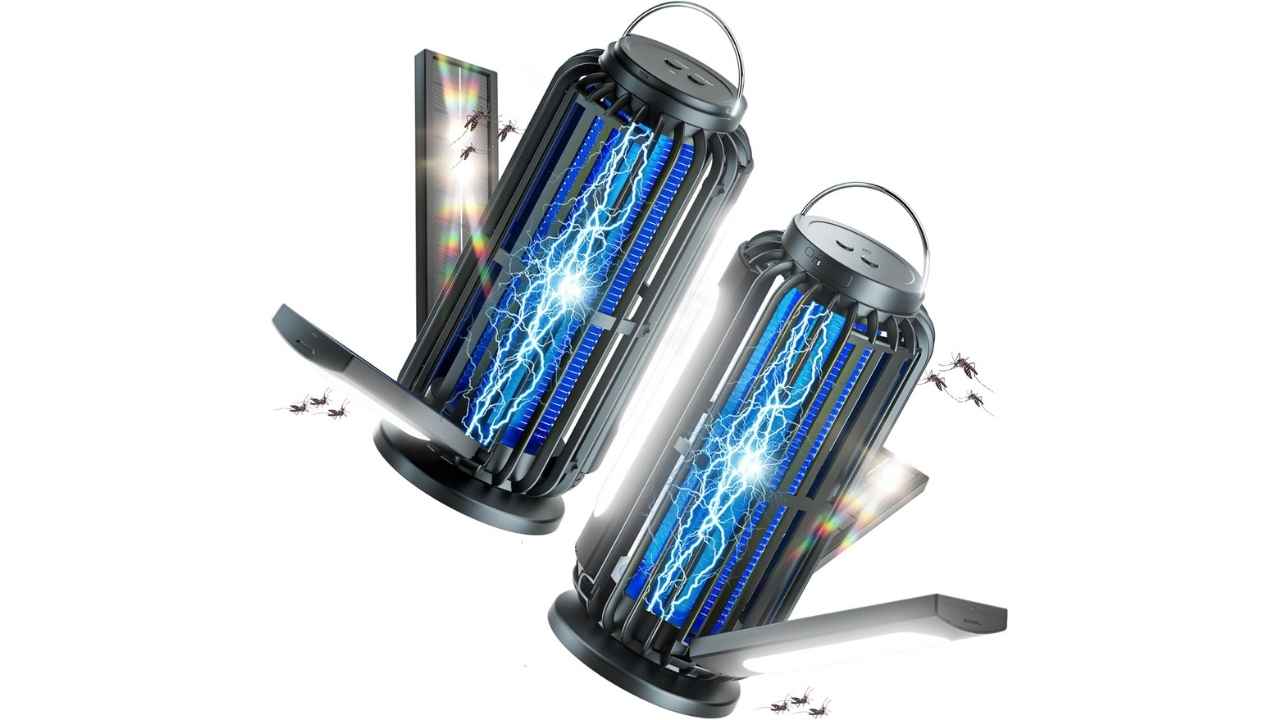 Outdoor essential TYPEC Solar Bug Zapper (36% off) Solar-powered bug zappers for patios and camping. |

