



Freezing your credit and cleaning up your exposed data are two of the smartest steps you can take to protect yourself from identity theft. A freeze blocks criminals from opening accounts in your name. Data removal cuts what scammers can find about you online. Both are quick, free, and easier than most people expect.
Below is a simple guide you can share with your audience.

How to freeze your credit at all three bureaus safely
A credit freeze stops anyone from opening new credit in your name. It does not affect your score, and you can lift it any time. The safest method is to stick to the official bureau websites.
Use only the official credit freeze sites
Never search online for credit freeze tools since scammers run ads for fake look-alike pages. Use the links below:
What to have ready before you start
You will confirm your identity with each bureau, so gather these details first.
• Full legal name
• Date of birth
• Social Security number
• Current address
• Phone number
• Email
You may also answer questions about past addresses or loans.

Step by step: how the freeze works
The process looks almost the same across all three bureaus.
1) Create your account
Set up an online account so you can manage your freeze. You will verify your identity during setup.
2) Request a credit freeze
Choose the option labeled Freeze. Skip tools labeled Locks or Monitoring since those refer to paid or unrelated services.
3) Get your PIN or passcode
Store your PIN or login credentials somewhere safe. You will need them if you apply for a loan or credit card.
4) Repeat with the other two bureaus
Your credit is fully frozen only when all three bureaus are active.

A Texas mom says she spent the night in jail after speaking up online about dirty water in her town. The case was later dropped, but her story raises a troubling question: could something you post online ever put you at risk?

Missed this event? Sign up via the registration form and see our live recording.
See Kurt’s 2026 picks for practical tech and everyday upgrades.
How to lift your freeze later
If you need to apply for something that requires a credit check:
- Log in to the bureau
- Choose Lift Freeze
- Pick a time window like 24 hours
Once that window closes, the freeze turns back on.
Extra freezes that boost protection
Two more freezes help stop criminals from opening new accounts that fall outside traditional credit checks. These freezes have become even more important because banks, phone carriers, and utility companies report higher cases of new account fraud. Criminals often use stolen personal details to open these accounts since they do not always rely on traditional credit pulls.
Freeze ChexSystems
ChexSystems tracks bank account activity. A freeze blocks criminals from opening fraudulent checking or savings accounts in your name. Many banks still use ChexSystems as the first line of defense, which makes this freeze a strong extra layer of protection.
Freeze NCTUE
The National Consumer Telecom and Utilities Exchange tracks phone, cable, and utility account activity. A freeze stops criminals from opening fake service accounts in your name. Phone and cable account fraud has grown in recent years, so this freeze helps shut down a common attack route.
Remove your personal information from the web with a data removal service
A credit freeze protects your financial identity, but your personal details can still spread online. Data brokers collect your name, addresses, phone numbers, relatives, income estimates, and more. This information can end up on people search sites or in the hands of scammers.
Incogni, a service I trust 100% and use myself, helps automate the process by submitting removal requests to hundreds of data brokers and people-search sites on your behalf.
Incogni automatically contacts data brokers on your behalf and requests the removal of your personal information. It also continues monitoring those sites and submits new removal requests if your data reappears.
- Incogni currently removes personal data from 420+ data broker and people-search websites, and its Unlimited plan allows you to request removals from as many additional sites as you need.
- Incogni has also received third-party assurance from Deloitte, validating its marketing claims.
- The goal is simple: make it much harder for strangers, scammers, and cybercriminals to find your personal information online.
CyberGuy readers get 60% off Incogni’s annual plans using the links in this article.
The service also includes a 30-day money-back guarantee, so you can try it risk-free and see how much of your information is exposed online.
Is your personal information exposed online?
Run a free scan to see if your personal info is compromised. Results arrive by email in about an hour.
How to get started
- Sign up at Incogni through our special 60% off discount link here
- Create your account and grant permission
- Incogni sends the requests
- Track each removal in your dashboard
What to expect as removals start
- Many removals begin within the first week
- Some brokers respond fast, while others take longer
- Your online footprint shrinks as long as your subscription stays active
How a credit freeze and data removal work better together
A credit freeze locks down your financial identity. Incogni removes the exposed information that scammers use to target victims. Together, they reduce your risk and give you far more control over your personal data.
Related Links:
- Why your holiday shopping data needs a cleanup now
- How to get rid of robocalls with apps and data removal services
- Surprising places your personal data is exposed and how to remove it
Kurt’s key takeaways
Credit freezes and automated data removals are simple steps that deliver powerful protection. They take only a short time to set up, yet give you long-term peace of mind. Your financial and personal information remains far more secure when you act now.
What part of your digital footprint worries you most today? Let us know in the comments below.
FOR MORE OF MY TECH TIPS & SECURITY ALERTS, SUBSCRIBE TO MY FREE CYBERGUY REPORT NEWSLETTER HERE
Copyright 2025 CyberGuy.com. All rights reserved. CyberGuy.com articles and content may contain affiliate links that earn a commission when purchases are made.
🎙 Now Streaming: My New Podcast: The CyberGuy Report
Kurt’s Top Deals
Deals move fast and inventory can be limited, so don’t wait too long.
| 🔥 Editor’s pick  Summer entertaining Ninja SLUSHi Machine (26% off) Frozen drinks and slushies at home in minutes. | |
| 💰 Top deal 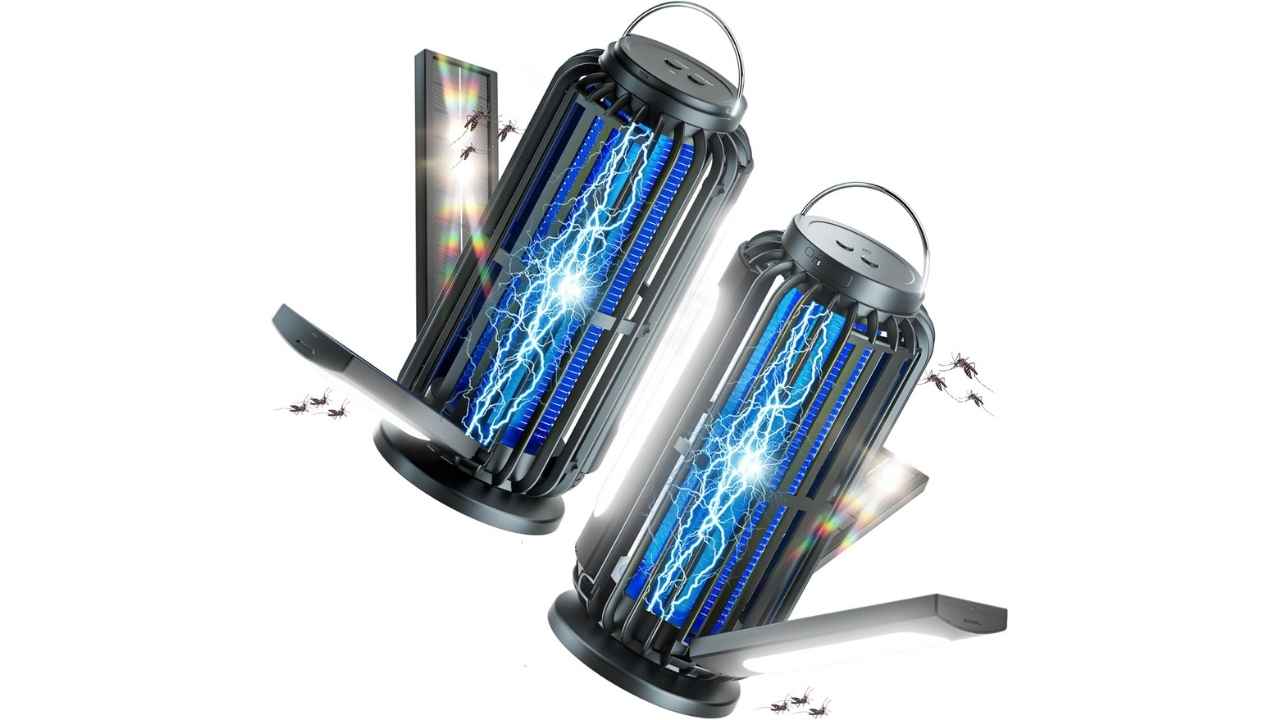 Outdoor essential TYPEC Solar Bug Zapper (36% off) Solar-powered bug zappers for patios and camping. |