



Amazon has unveiled a new warehouse robot called Vulcan, and it’s shaking up the way packages get picked, stowed, and shipped. Unlike past machines, Vulcan can actually feel its way around crowded bins, using sensors to tell when it touches items and how much force it’s applying. That sense of touch is what sets Vulcan apart-and it could be a game-changer for warehouse automation.

Credit: Amazon
What makes the Vulcan robot different
Most warehouse robots are built for speed, not finesse. They often freeze or break things if they bump into objects. Vulcan changes that with tactile sensors and a spatula-like arm that nudges products aside, plus suction grips to lift the right item out. Its sensors read edges, contours, and resistance, while machine learning interprets those signals to plan the next move. Amazon says Vulcan can handle about 75% of items in its storage pods at human-like speeds. For the other 25%, it knows when to ask a human for help, a sign that Amazon is focused on robots working with people, not fully replacing them.

Credit: Amazon
Where the Vulcan robot is working
Right now, Vulcan is in action at Amazon fulfillment centers in Hamburg, Germany, and Spokane, Washington. These locations are testing how well Vulcan handles tasks like grabbing items from high shelves and low bins, jobs that usually strain human workers. Early results show it reduces back-breaking tasks while keeping packages moving quickly.

Credit: Amazon
Why touch matters in robotics
Human touch is incredibly complex. You know exactly when to stop squeezing a fragile glass or how much pressure to use when closing a zipper. For robots, this level of sensitivity has always been hard to replicate. Experts say Vulcan represents a big step forward, though robots still lag behind human dexterity. Even so, adding touch sensing expands what robots can safely do in real warehouses.
What this means for you
For shoppers, robots like Vulcan could speed up deliveries and reduce the chance of damaged products. For workers, it means fewer repetitive, painful tasks and more opportunities to train for technical roles that involve overseeing these machines. For Amazon, it’s another step toward making warehouses smarter, faster, and more efficient.
Related Links:
- The new robot that could make chores a thing of the past
- Humanoid robot turns heads at NYC sneaker store
- AI video tech fast-tracks humanoid robot training
Kurt’s key takeaways
Vulcan isn’t just about cool technology, it’s about reshaping how humans and robots collaborate. By giving machines the ability to feel, Amazon may be setting the stage for a new era of automation that’s more careful, reliable, and safe.
Watch the latest episode of The CyberGuy Report.

Missed this event? Sign up via the registration form and see our live recording.
See Kurt’s latest Amazon picks for useful gadgets, smart home upgrades and everyday tech worth grabbing while the deals last.
Would you feel more comfortable knowing your next package was picked by a robot with a sense of touch, or do you prefer the human touch? Let us know your thoughts in the comments below.
FOR MORE OF MY TECH TIPS & SECURITY ALERTS, SUBSCRIBE TO MY FREE CYBERGUY REPORT NEWSLETTER HERE
Copyright 2025 CyberGuy.com. All rights reserved. CyberGuy.com articles and content may contain affiliate links that earn a commission when purchases are made.
🎙 Now Streaming: My New Podcast: The CyberGuy Report
Kurt’s Top Deals
Deals move fast and inventory can be limited, so don’t wait too long.
| 🔥 Editor’s pick  Summer entertaining Ninja SLUSHi Machine (26% off) Frozen drinks and slushies at home in minutes. | |
| 💰 Top deal 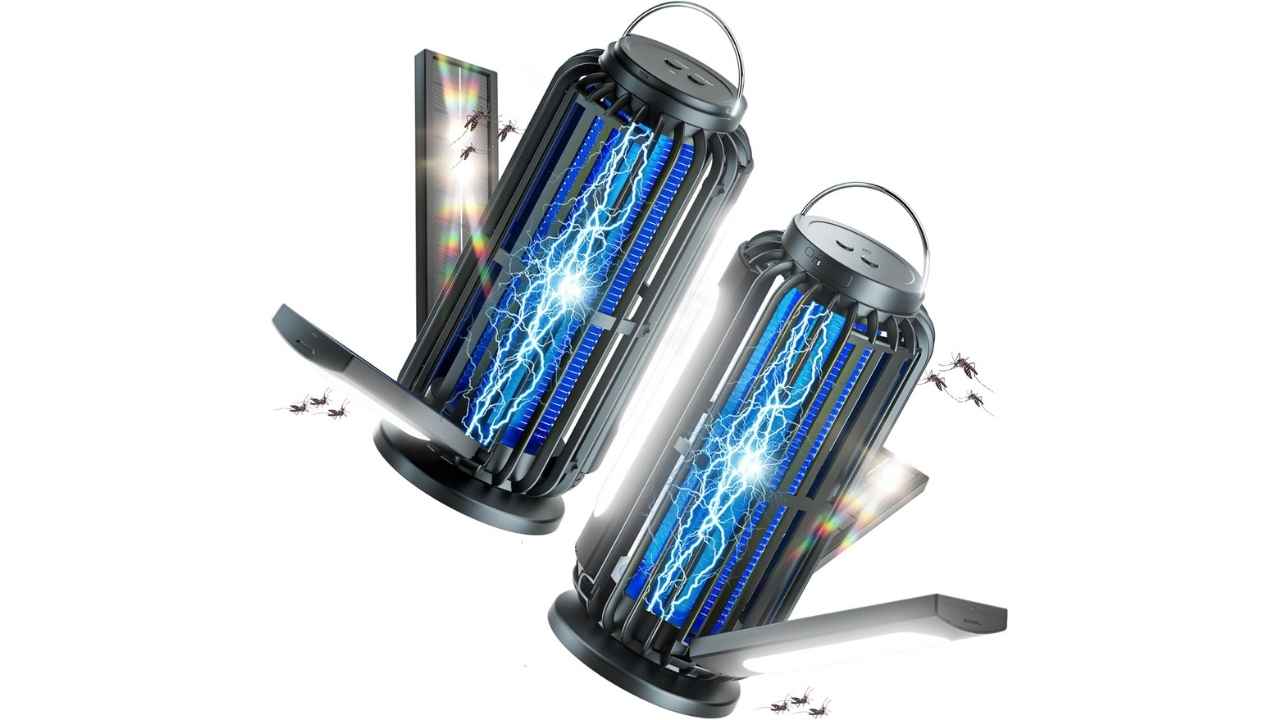 Outdoor essential TYPEC Solar Bug Zapper (36% off) Solar-powered bug zappers for patios and camping. |


1 comment
My husband was a picker at Amazon for a few years. His knees went bad because of the physical demands of the job. I can definitely see the benefits to both Amazon & it’s employees of these new robots. Just hope they can get along with the humans who may resent them being faster at picking & packing.