



- A Tesla Model Y helped get a heart attack victim to an emergency room after his son rerouted the car remotely.
- The story shows why trusted app access should be set up before a medical crisis happens.
- Full Self-Driving Supervised still requires an alert driver and should never replace calling 911.
- Any connected-car owner should test emergency features, shared access and navigation tools now.
A medical emergency behind the wheel is terrifying because every second suddenly feels bigger. You are trying to stay calm, stay safe and get help before things spiral.
That is why John Brandt’s story is getting so much attention. His Tesla Model Y helped keep him moving during a heart attack, while his son used the Tesla app to reroute the car to a nearby emergency room.
The bigger takeaway isn’t that your car can replace 911. It cannot. The lesson is that connected-car settings, trusted app access and emergency contacts should be ready before you ever need them.
A Model Y driver started experiencing a medical emergency with chest pain mid-drive & called his son.
His son then remotely rerouted the car – which had FSD Supervised enabled – to the nearest hospital & let them know the vehicle was en route. ER staff were standing by on… pic.twitter.com/yi1tHISK9y
— Tesla North America (@tesla_na) June 16, 2026
How a Tesla Model Y helped during a medical emergency
Brandt said he was driving from Atlanta to Birmingham on I-20 around 4 a.m. when severe chest pain made it unsafe for him to keep driving on his own. His Model Y had Full Self-Driving Supervised enabled, which helped keep the car on course while he called his son, Jack.
Jack then acted from his own phone. Because he was an authorized driver on his father’s Tesla account, he could send a new destination to the vehicle through the Tesla app. He found Tanner Medical Center in Carrollton, Georgia and rerouted the car there.
He also called ahead, so emergency room staff knew a possible heart attack patient was coming. Brandt later said doctors found three blocked arteries and told him the fast reroute likely saved his life.
Brandt credited his family, the hospital team and Tesla’s technology for helping him survive. His experience also shows why trusted access should be set up before a crisis starts.

Credit: Tesla
Why the Tesla FSD medical emergency feels so personal
This story hits home because it sounds like something that could happen to any of us. You may be driving to help a parent. You may be on a highway before sunrise. You may think you feel heartburn or stress until the pain gets worse.
Most of us think about car safety in terms of brakes, airbags and tires. However, this story shows that app access, navigation settings and trusted contacts can also play a role in a crisis. That does not mean your car becomes a paramedic. It means your connected vehicle can give your family more ways to help if something goes wrong. Brandt’s experience raises a question every driver should consider: If you suddenly could not manage the trip alone, would someone you trust know how to step in and help?
How Tesla owners can prepare for a medical emergency
If you own a Tesla, start with trusted driver access. Add someone you trust completely, such as a spouse, adult child or close family member. Tesla lets owners add drivers through the Tesla app. Once added, that person may be able to access key vehicle features from their own phone.
Choose carefully. A trusted driver may be able to see your vehicle location and use important app controls. That access can help in an emergency, but it also deserves serious thought.
Next, show that person how to send a destination to your Tesla. Do not make this something they figure out during a crisis. Sit in the parked car and test it together.
Watch the latest episode of The CyberGuy Report.

Missed this event? Sign up via the registration form and see our live recording.
See Kurt’s latest Amazon picks for useful gadgets, smart home upgrades and everyday tech worth grabbing while the deals last.
Have them send a familiar destination to the vehicle. Make sure you both understand what appears on the screen. Then talk through what they should do if you ever call and say something is wrong.
Also save useful locations in your navigation system. Add home, work and hospitals you would likely use. If you often drive between two cities, look at hospitals along that route before you need them.

Credit: Tesla
Why Full Self-Driving Supervised isn’t an emergency plan
Tesla calls the system Full Self-Driving Supervised for a reason. The driver still needs to pay attention and stay ready to take over at any time. Brandt’s experience shows how the technology and app connectivity helped during one frightening emergency. But a Tesla cannot replace 911, an ambulance or a trained medical team.
If you feel chest pain, shortness of breath, nausea, lightheadedness or pain in your arm, back or jaw, treat it as an emergency. Pull over safely if you can. Call 911 immediately. Emergency responders can start care on the way to the hospital and alert the ER before you arrive.
Your car may help your family find you or send a destination. Still, it should never delay a medical call.

Credit: Tesla
How to prepare any connected car for an emergency
You do not need a Tesla to learn from this story. Many newer vehicles have connected apps, navigation tools, roadside assistance buttons or emergency calling features. First, remember this: your car should never replace 911. If you are having a medical emergency, pull over safely if you can and call for help immediately. These steps are about giving your family extra ways to help, not replacing emergency responders.
1) Check your vehicle app access
Open your automaker’s app and review what it can do. Look for vehicle location, shared driver access, remote lock controls, roadside assistance and navigation features. Then make sure your trusted contact can use the app if your car allows it. If the app requires a login, two-factor code or owner approval, handle that now. Also check app access after you get a new phone. Permissions can change when you upgrade. Also, because vehicle apps can show location and control certain car features, use a strong unique password, store it in a password manager and turn on two-factor authentication (2FA) if available. Only give app access to someone you fully trust.
2) Turn on location and alert permissions
Make sure your vehicle app can use location services when needed. Also allow important notifications from the app so you do not miss alerts about your car. Ask your trusted contact to check the same settings on their phone. If they cannot see your vehicle, receive alerts or open the app quickly, they may not be able to help during a crisis.
3) Test sending a destination to your car
Some vehicles let you send a destination from your phone to the dashboard. Others do not. Find out now. Sit in your parked car and send a destination from your phone. Then ask your trusted contact to try it if they have authorized access. This quick test can prevent confusion later. It also shows you what your car will display when a new destination arrives.
4) Learn what your SOS button really does
Many vehicles have an SOS button, emergency assistance button or roadside help button. Do not assume they all work the same way. Check your owner’s manual or automaker app. Find out whether the button calls 911, a private call center or roadside assistance. Also learn whether the system shares your vehicle location. That detail can be critical if you cannot explain where you are.
5) Set up phone emergency features
Your phone may help even more than your car. Add emergency contacts, fill out your Medical ID or emergency information and make sure your family can reach you even when Do Not Disturb is on. Apple says iPhone emergency contacts can receive a text and your location after an emergency call, while Samsung lets Galaxy owners add emergency contacts, medical info and SOS sharing from Safety and emergency settings.
On iPhone
- Open the Health app.
- Tap your profile picture in the top-right corner.
- Tap Medical ID.
- Scroll down and under each section in red, tap Edit or Add.
- Add important details, such as medical conditions, allergies, medications and blood type.
- Scroll to Emergency Contacts and tap Add Emergency Contact.
- Choose a trusted contact and select their relationship to you.
- Turn on Show When Locked and Share During Emergency Call if those options appear.
- Tap < in the upper left to save.
To make sure key people can reach you, go to Settings → Focus → Do Not Disturb → People and allow calls or notifications from your trusted contacts. You can also open a contact, tap Edit, choose Ringtone or Text Tone and turn on Emergency Bypass. Emergency Bypass can allow that person’s calls or texts to come through even when Focus settings would normally silence them.
On Samsung Galaxy
Settings may vary depending on your Android’s manufacturer
- Open Settings.
- Tap Safety and emergency.
- Tap Medical info.
- Add important details, such as medical conditions, allergies, medications and blood type.
- Tap Save.
- Go back to Safety and emergency.
- Tap Emergency contacts.
- Tap Add emergency contact or Add member.
- Choose your trusted contacts and tap Done.
- Turn on Show on Lock screen if available.
- Go back to Safety and emergency and tap Emergency SOS to review how your phone calls for help and whether it sends SOS messages to emergency contacts.
On Galaxy phones, also check Settings → Safety and emergency → Emergency Location Service and turn it on if available. This can help share your location with emergency responders in supported regions.
To let important calls through Do Not Disturb, go to Settings → Notifications → Do not disturb → Calls and messages or Allowed during Do not disturb, then allow favorite contacts or selected contacts. Favorite contacts can be allowed through while Do Not Disturb is on.
6) Keep a written backup in the car
Technology can fail. Phones lose battery. Apps can lock you out. Keep a small emergency card in your wallet or glove box. Include emergency contacts, allergies, medications and your preferred hospital. If you have a heart condition or another medical concern, ask your doctor what details should be listed.
7) Review access every few months
Trusted access should not be set once and forgotten. Remove anyone who no longer needs access to your vehicle app. Add someone new if your family situation changes. Also update emergency contacts after a move, phone change or major health update.
Related Links:
- Top 13 emergency car essentials
- Is your phone ready for an emergency?
- Best home inventory apps to protect your property in case of emergency
Kurt’s key takeaways
John Brandt’s story is scary because it could happen to anyone. His Tesla helped, but the real lesson is preparation. If your car has an app, know what it can do before an emergency. Add a trusted family member, test the navigation tools and make sure your phone’s emergency features are filled out. A car should never replace calling 911. However, the right setup can give your family one more way to help when every second counts.
If your car were involved in an emergency, would your family know what to do? Let us know in the comments below.
FOR MORE OF MY TECH TIPS & SECURITY ALERTS, SUBSCRIBE TO MY FREE CYBERGUY REPORT NEWSLETTER HERE
Copyright 2026 CyberGuy.com. All rights reserved. CyberGuy.com articles and content may contain affiliate links that earn a commission when purchases are made.
🎙 Now Streaming: My New Podcast: The CyberGuy Report
Kurt’s Top Deals
Deals move fast and inventory can be limited, so don’t wait too long.
| 🔥 Editor’s pick  Summer entertaining Ninja SLUSHi Machine (26% off) Frozen drinks and slushies at home in minutes. | |
| 💰 Top deal 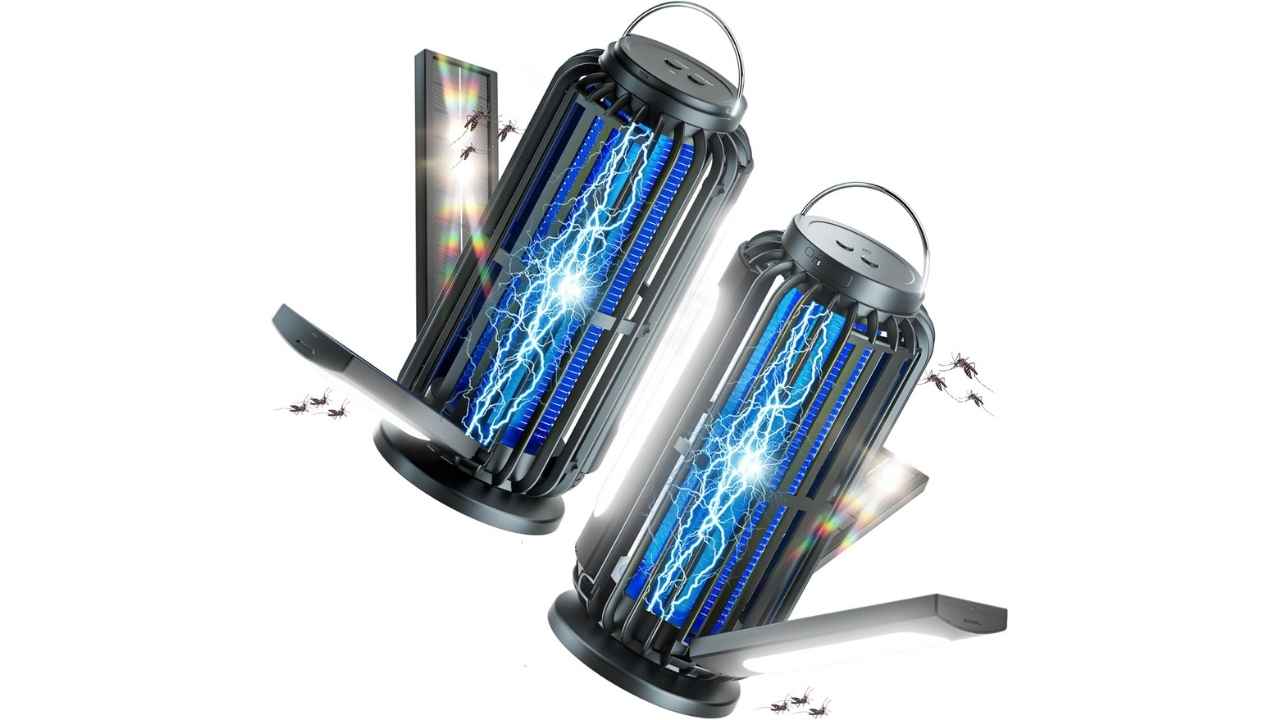 Outdoor essential TYPEC Solar Bug Zapper (36% off) Solar-powered bug zappers for patios and camping. |


