



- Scammers are sending fake Amazon recall texts designed to look urgent and legitimate.
- The messages use generic language, missing product details and suspicious links to trick you.
- Clicking the link can expose your login details, payment information or install malware.
- You can stay safe by avoiding links, checking your account directly and reporting the message.
An unexpected recall text message pops up on your phone. It mentions a familiar company like Amazon, a specific order and a possible safety issue. As a result, it is meant to grab your attention fast.
In the text we received, the message claims that an item from a February 2026 order has been recalled. Next, it tells you to stop using it and click a link for a refund. It also signs off as “Amazon Account Support Team.”
It looks convincing, yes. But when you look a little closer, the red flags start to show up.
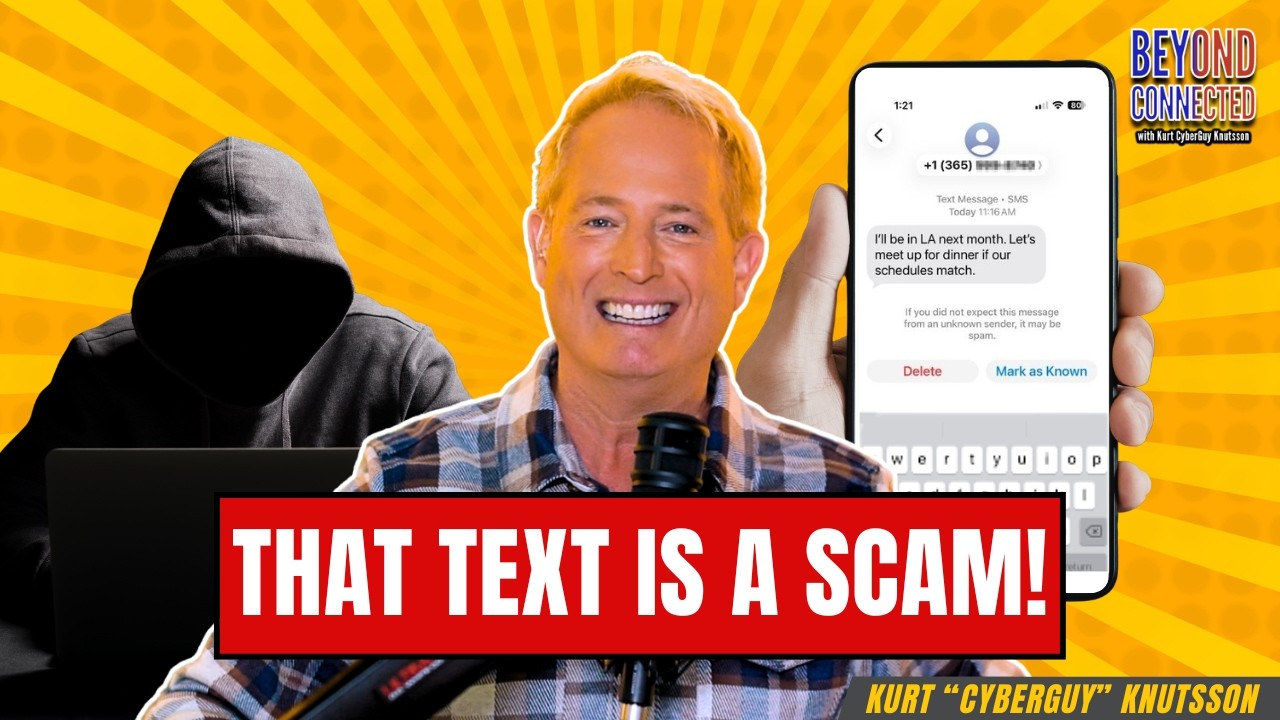

How this Amazon recall scam text works
Let’s walk through what this message is doing and why it raises concern.
It comes from an unfamiliar or unknown number
This is the first red flag. That alone should make you pause. Legitimate companies contact you through verified channels tied to your account, not random text numbers. Amazon says it will never ask for sensitive information outside of its official website or app.
“Dear Amazon Customer,”
Companies like Amazon usually address you by your name. A generic greeting signals mass messaging.
“This update applies to an item recorded in your February 2026 order (Order No. 113-6285795-7079515).”
Scammers often include an order number to build trust. It looks official. However, it doesn’t prove the sender has access to your real account.
“Following a recent review, the item has been found to significantly fall short of expected quality standards and is now subject to a recall action.”
The language sounds formal but vague. Notice what is missing. The message never names the product, which is something a real recall would always include.
“Please stop using the item for now.”
This line adds urgency. Safety concerns push you to act quickly without verifying details.
Watch the latest episode of The CyberGuy Report.

Missed this event? Sign up via the registration form and see our live recording.
See Kurt’s latest Amazon picks for useful gadgets, smart home upgrades and everyday tech worth grabbing while the deals last.
“Please follow the link below to review recall details and request a refund online.”
This is the core of the scam. It tries to move you off the platform and onto a link the sender controls.
The link: https://rzxr.vxybcf.xxx/…
This is one of the biggest red flags. The domain has nothing to do with Amazon. It looks random and disposable. Legitimate messages from Amazon use official domains like amazon.com.
“Customer safety remains a priority.”
This sounds reassuring, but adds no real information. It is filler to make the message feel polished.
“Amazon Account Support Team”
Another generic sign-off. Real emails or texts from Amazon often include more structured branding and consistent formatting.

Red flags in this Amazon recall text scam
A few simple checks can quickly tell you something is off:
- Comes from an unfamiliar or unknown number
- Uses a generic greeting
- Doesn’t name the product
- Includes a suspicious link
- Pushes urgent action
When you see several of these at once, treat the message as a scam.
What happens if you click an Amazon scam link
That link likely leads to a fake page designed to look like a real Amazon site. From there, a few things can happen. You may be asked to log in. That gives attackers your username and password. You may be asked for payment details under the idea of “processing a refund.” You could also trigger a download that installs malware. The goal is always the same. Get your data or access to your accounts.
“Scammers that attempt to impersonate Amazon put consumers at risk. We will continue to invest in protecting consumers and educating the public on scam avoidance“, an Amazon spokesperson told Cyberguy. “We encourage consumers to report suspected scams to us so that we can protect their accounts and refer bad actors to law enforcement to help keep consumers safe. Please visit our help pages to find additional information on how to identify scams and report them at amazon.com/ReportAScam.”

How to stay safe from Amazon text scams
A few simple checks can help you spot the scam early and protect your account before any damage is done.
1) Verify orders and contact Amazon through official channels
Open the Amazon app or type amazon.com into your browser. Do not use the link in the text. Amazon says that when a product is recalled, affected customers are notified through official channels such as email, push notifications and a dedicated “Your Recalls and Product Safety Alerts” page within their account. Check your Orders page and the “Your Recalls and Product Safety Alerts” section. If anything still seems unclear, contact Amazon Customer Service directly. Never use the contact details provided in the message.
2) Avoid tapping unknown links
That shortened or random-looking domain is a major warning sign. Even if the message looks polished, treat any unfamiliar link as unsafe. If you want to investigate, go to the company’s official site on your own.
3) Use strong antivirus software to block malicious links
If you accidentally tap a link like this, strong antivirus software such as Norton Antivirus Plus can help stop harmful sites from loading or block downloads before they install. Many tools now include real-time protection against phishing links, which adds a layer of defense when a scam slips through.
- Strong real-time protection against viruses, malware, ransomware and hacking attempts
- AI-powered scam protection to help identify suspicious emails, texts and websites
- Built-in password manager to securely store and manage logins
- 2 GB PC cloud backup to help protect important files from ransomware or hardware failure
- Smart firewall and phishing protection
- Protects 1, 3 or 5 devices
- Available for Windows, macOS, Android and iOS
- Includes real-time threat protection, smart firewall and phishing protection to guard against online attacks
4) Use the Report Spam feature on your phone
Scroll to the bottom of the message and tap Report Spam or Report Junk. This helps your device and carrier block similar messages in the future. It also flags the number for others.
5) Consider identity theft protection after a scam attempt
If you entered any personal information, keep an eye on your accounts. Identity theft monitoring services like Aura can alert you to suspicious activity, such as new accounts opened in your name or unusual credit changes. That kind of early warning can make a big difference.
6) Remove your personal data from public databases
Scammers often rely on personal details to make messages feel convincing. Data removal services such as Incogni can help reduce how much of your information is available online, making it harder for criminals to target you with personalized scams.
Incogni, a service I trust 100% and use myself, helps automate the process by submitting removal requests to hundreds of data brokers and people-search sites on your behalf.
Incogni automatically contacts data brokers on your behalf and requests the removal of your personal information. It also continues monitoring those sites and submits new removal requests if your data reappears.
- Incogni currently removes personal data from 420+ data broker and people-search websites, and its Unlimited plan allows you to request removals from as many additional sites as you need.
- Incogni has also received third-party assurance from Deloitte, validating its marketing claims.
- The goal is simple: make it much harder for strangers, scammers, and cybercriminals to find your personal information online.
CyberGuy readers get 60% off Incogni’s annual plans using the links in this article.
The service also includes a 30-day money-back guarantee, so you can try it risk-free and see how much of your information is exposed online.
Is your personal information exposed online?
Run a free scan to see if your personal info is compromised. Results arrive by email in about an hour.
7) Watch for urgency and pressure
Be cautious of urgent language. Scammers often try to pressure you into acting immediately before you have time to verify the message. Take a moment to verify. A real recall will still be there after you check it through official channels.
8) Protect your accounts with stronger login habits
Turn on two-factor authentication (2FA) wherever possible. Use unique passwords for each account. A password manager such as Nordpass can make that easier and reduce risk if one account is exposed.
9) Keep your device updated and secure
Make sure your phone’s software is up to date. Security updates can help block malicious links and downloads before they cause harm.
Related Links:
- How scammers build a profile on you using data brokers
- Fake SSA email alert: Spot this scam fast
- Booking.com data breach exposes traveler data to scams
Kurt’s key takeaways
A text like this can look convincing. That’s exactly what it is designed to do. It uses a familiar name like Amazon and urgency to push you into acting fast. Slow down, take a closer look and the red flags start to show up. If something feels off, trust that instinct and verify it before you click anything.
Would you have clicked that link if it showed up on your phone during a busy day? Let us know your thoughts in the comments below.
FOR MORE OF MY TECH TIPS & SECURITY ALERTS, SUBSCRIBE TO MY FREE CYBERGUY REPORT NEWSLETTER HERE
Copyright 2026 CyberGuy.com. All rights reserved. CyberGuy.com articles and content may contain affiliate links that earn a commission when purchases are made.
🎙 Now Streaming: My New Podcast: The CyberGuy Report
Kurt’s Top Deals
Deals move fast and inventory can be limited, so don’t wait too long.
| 🔥 Editor’s pick  Summer entertaining Ninja SLUSHi Machine (26% off) Frozen drinks and slushies at home in minutes. | |
| 💰 Top deal 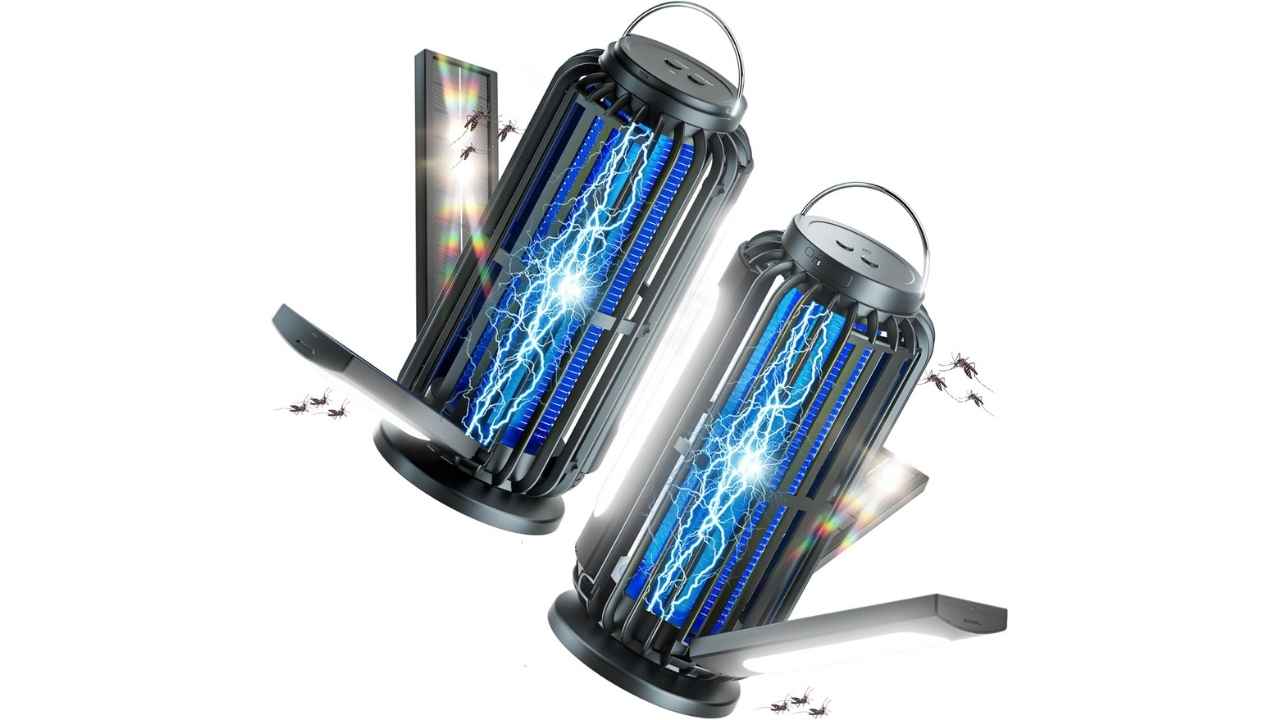 Outdoor essential TYPEC Solar Bug Zapper (36% off) Solar-powered bug zappers for patios and camping. |


