



- Booking.com says hackers may have accessed names, contact details and reservation information linked to some guests.
- The company says financial data and physical home addresses were not accessed in the breach.
- Some users report receiving phishing messages that included their real booking details before the official notice.
- Stolen travel data can be used to create highly convincing scams that target customers directly.
You probably didn’t expect a travel booking platform to send you into a security spiral. Yet here we are.
Booking.com confirmed that hackers may have accessed customer data, including names, email addresses, phone numbers and booking details. That is enough information to make scam messages look real.
If you’ve booked a hotel or rental through the platform, this is worth your attention.

What happened in the Booking.com data breach
The company sent email notifications to affected customers after detecting “suspicious activity involving unauthorized third parties” accessing guest booking information. That’s the corporate way of saying someone got in who shouldn’t have been there.
One user shared the full notification on Reddit, where dozens of others said they received the same message. That suggests this was not an isolated case. The notice warned that anything customers “may have shared with the accommodation” could also have been exposed, meaning the breach went beyond basic account data.
What data was exposed in the Booking.com breach
Booking.com confirmed that financial information was not accessed. Physical home addresses were also not part of the breach, according to the company. So no, someone doesn’t have your credit card number or home address from this incident.
What they do potentially have: your name, email address, phone number and the details of your reservation. That’s enough to craft a convincing phishing message, which some hackers may already be doing.
In a statement to CyberGuy, Booking.com said:
“At Booking.com, we are dedicated to the security and data protection of our guests. We recently noticed some suspicious activity involving unauthorized third parties being able to access some of our guests’ booking information, which may include booking details, names, email addresses and phone numbers and anything that travelers may have shared with the accommodation. Financial information was not accessed from Booking.com’s systems, nor were guests’ physical addresses.
Upon discovering the activity, we took action to contain the issue. We have updated the PIN number for these reservations and informed our guests.”

Credit: Reddit
How scammers are using stolen booking data
A user who posted the notification on Reddit said that two weeks before receiving it, they got a phishing message on WhatsApp that included their real booking details and personal information. That timing matters. It suggests hackers may have already been using the data before many customers were notified.
It is not clear whether that earlier phishing attempt is directly tied to this specific breach, but it shows how detailed booking information can be used in targeted scams.
That is what makes this breach more dangerous than it first appears. When scammers know where you are staying and when, they can create messages that feel legitimate. A fake alert about a problem with your reservation or a request to confirm payment details suddenly looks real.
Watch the latest episode of The CyberGuy Report.

Missed this event? Sign up via the registration form and see our live recording.
See Kurt’s latest Amazon picks for useful gadgets, smart home upgrades and everyday tech worth grabbing while the deals last.

Credit: Reddit
How past incidents highlight potential risks
This breach did not happen in a vacuum. In 2024, hackers infected computers at multiple hotels with a type of consumer-grade spyware known as stalkerware. In one documented case, a hotel employee was logged into their Booking.com admin portal when the software captured a screenshot of the screen, exposing visible customer data.
That detail points to a broader issue. In some cases, vulnerabilities may exist not just within a platform, but across the hotels and systems connected to it. The current breach may follow a similar pattern, though the company has not confirmed how the unauthorized access occurred.
To put the scale in context, Booking.com says 6.8 billion bookings have been made through the platform since 2010. Even a small percentage of affected users represents a large number of people.
Ways to stay safe after the Booking.com breach
You don’t have to swear off travel apps to protect yourself. A few targeted steps go a long way.
1) Check for an official notification
Check your email for a message from Booking.com. If you received one, take it seriously rather than filing it away. The company says it has updated PINs for affected reservations, but your account itself may still need attention.
2) Update your password now
Change your Booking.com password, especially if you reuse it anywhere else. Credential stuffing attacks are common after breaches, and reused passwords make it easy for hackers to break into other accounts. A password manager like Nordpass can help you create and store strong, unique passwords so you are not relying on the same one across multiple sites.
3) Turn on two-factor authentication
Enable two-factor authentication (2FA) if you haven’t already. It adds a step, but it also blocks access even if someone has your password.
4) Consider identity theft protection
Even though financial data was not accessed, exposed personal details can still be used in scams or identity theft attempts. An identity protection service like Aura can monitor your information, alert you to suspicious activity and provide support if your identity is compromised.
Exclusive CyberGuy deal: Save up to 68% today: Get Aura’s award-winning identity theft protection and credit monitoring for as low as $9/month when billed annually.
How to check if your personal information was exposed
If you are unsure whether criminals have already exposed your information, take action now. Start with a free identity breach scan to see whether your data appears in known leaks. Early detection gives you more control and helps you respond before fraud spreads.
5) Watch for highly targeted phishing messages
Be skeptical of any message that references your booking details, whether it arrives by email, text or WhatsApp. Legitimate companies rarely ask you to click a link and re-enter payment information. Hackers with your booking data can write convincing fakes that look urgent.
6) Verify bookings through official channels
If you get a message about your reservation, do not click the link. Open the Booking.com app or type the website address manually. You can also contact the hotel directly using the number listed on its official website.
7) Add a safety net in case you click something malicious
If you accidentally click a suspicious link, strong antivirus software such as Norton Antivirus Plus can help detect malicious websites or downloads before they do damage. Look for tools that offer real-time protection and phishing detection, not just basic virus scans. Our #1 pick for antivirus is Norton Antivirus Plus (CyberGuy Deal: 68% off). Read more here.
8) Limit how your personal data is exposed online
Data brokers collect and sell personal details like your phone number and email address. That makes it easier for scammers to connect stolen booking data to a real person. Removing your information from these sites with a data removal service like Incogni can reduce how often you are targeted.
Incogni, a service I trust 100% and use myself, helps automate the process by submitting removal requests to hundreds of data brokers and people-search sites on your behalf.
Incogni automatically contacts data brokers on your behalf and requests the removal of your personal information. It also continues monitoring those sites and submits new removal requests if your data reappears.
- Incogni currently removes personal data from 420+ data broker and people-search websites, and its Unlimited plan allows you to request removals from as many additional sites as you need.
- Incogni has also received third-party assurance from Deloitte, validating its marketing claims.
- The goal is simple: make it much harder for strangers, scammers, and cybercriminals to find your personal information online.
CyberGuy readers get 60% off Incogni’s annual plans using the links in this article.
The service also includes a 30-day money-back guarantee, so you can try it risk-free and see how much of your information is exposed online.
9) Report anything suspicious quickly
If you receive a phishing attempt that includes your real reservation details, contact Booking.com directly and report the message to your phone carrier or email provider. Reporting helps shut down scams faster.
Related Links:
- What exactly is a data breach and why should I care?
- Healthcare data breach hits system storing patient records
- Banking tech data breach exposes 672K in ransomware attack
Kurt’s key takeaways
Data breaches at major travel platforms are uncomfortable precisely because travel feels personal. Your itinerary, your accommodation and your plans are wrapped up in those booking details, and now someone else may have a copy. The good news is that financial information and home addresses were not part of this breach. The bad news is that the stolen data is detailed enough to be weaponized in targeted phishing attacks, and there’s evidence that it already has been. Booking.com updated its customers, reset PINs for affected reservations and publicly confirmed the incident. That’s more transparency than many companies offer. But the fact that users were receiving phishing messages on WhatsApp two weeks before the formal notification went out is worth sitting with. You can’t control whether the platform you use gets breached. You can control whether you’re an easy target once your data is out there.
How much responsibility should companies like Booking.com take when your personal data fuels scams? Let us know your thoughts in the comments below.
FOR MORE OF MY TECH TIPS & SECURITY ALERTS, SUBSCRIBE TO MY FREE CYBERGUY REPORT NEWSLETTER HERE
Copyright 2026 CyberGuy.com. All rights reserved. CyberGuy.com articles and content may contain affiliate links that earn a commission when purchases are made.
🎙 Now Streaming: My New Podcast: The CyberGuy Report
Kurt’s Top Deals
Deals move fast and inventory can be limited, so don’t wait too long.
| 🔥 Editor’s pick  Summer entertaining Ninja SLUSHi Machine (26% off) Frozen drinks and slushies at home in minutes. | |
| 💰 Top deal 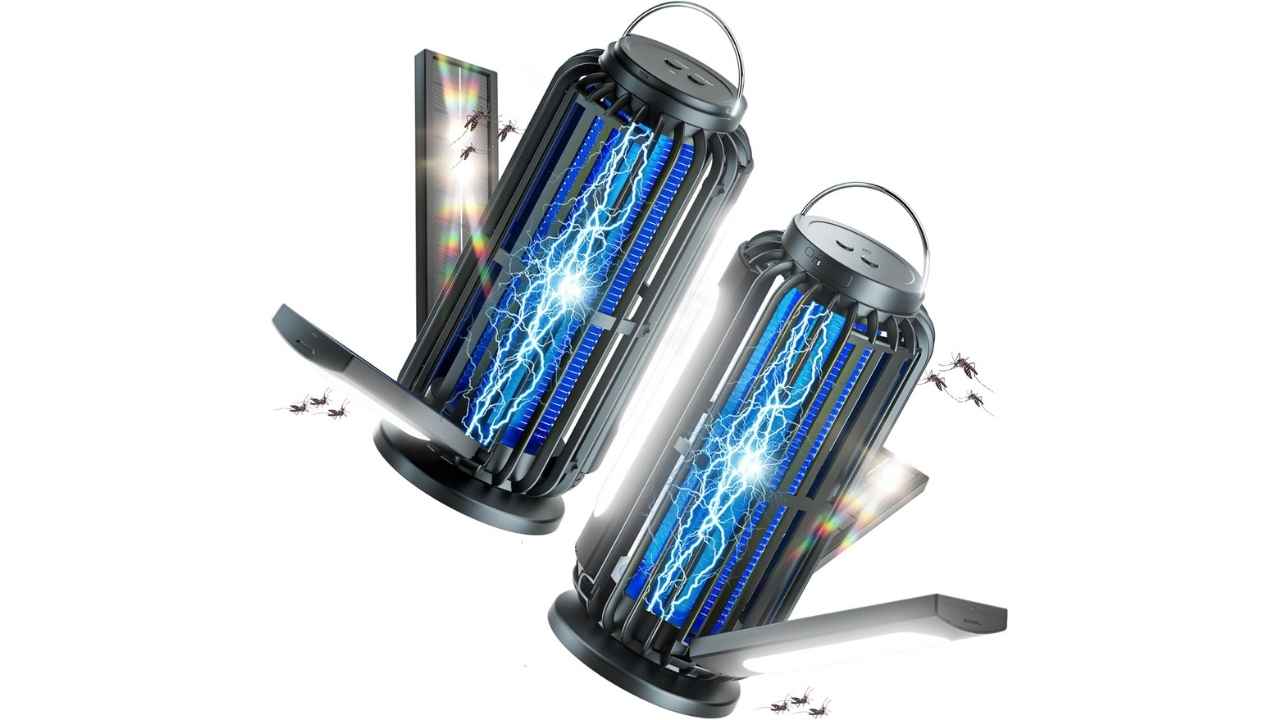 Outdoor essential TYPEC Solar Bug Zapper (36% off) Solar-powered bug zappers for patios and camping. |


