



- Hackers are bypassing encryption by tricking users into handing over account access.
- Once inside, attackers can read messages, impersonate you and target your contacts.
- Phishing attacks can spread quickly, turning one compromised account into many.
- Simple habits like avoiding suspicious links and using 2FA can stop most attacks.
You probably think your messages are safe. After all, apps like WhatsApp, Signal and Telegram promote strong encryption.
But a new warning from the Cybersecurity and Infrastructure Security Agency and the Federal Bureau of Investigation shows that attackers do not need to break encryption at all.
Instead, they are going after you.

What the FBI and CISA just revealed
According to the joint advisory, cyber actors tied to Russian intelligence are running large-scale phishing campaigns targeting messaging apps.
These attacks are not random. They have focused on high-value targets like government officials, military personnel and journalists. However, the tactics can easily spread to everyday users.
Here is the key takeaway: Hackers are not cracking the apps themselves. They are tricking people into giving up access.
How these messaging app attacks actually work
This is where it gets interesting and a bit unsettling. Instead of breaking encryption, attackers use phishing to gain control of individual accounts. Once inside, they can:
- Read private conversations
- Access contact lists
- Send messages as if they were you
- Launch new scams targeting your contacts
It becomes a chain reaction. One compromised account can quickly lead to many more. In some cases, attackers impersonate trusted contacts. That makes the scam feel real and urgent.

Why encryption is not enough anymore
Encryption still matters. It protects messages as they travel between devices. But here is the problem. If someone logs into your account, they see everything just like you do.
That means even the most secure app cannot protect you if your login gets compromised. This is a shift in how cyberattacks work. The weakest link is no longer the technology. It is human behavior.
Who is at risk from messaging app phishing attacks
While the advisory highlights high-profile targets, the tactics are not limited to them.
Watch the latest episode of The CyberGuy Report.

Missed this event? Sign up via the registration form and see our live recording.
See Kurt’s latest Amazon picks for useful gadgets, smart home upgrades and everyday tech worth grabbing while the deals last.
If you use messaging apps for:
- Personal conversations
- Work communication
- Sharing sensitive information
You are a potential target. Phishing works because it relies on simple mistakes. A quick tap on the wrong link is often all it takes.
What this means for you
This warning highlights a bigger trend. Cyberattacks are becoming more personal. Instead of attacking systems, hackers are targeting people directly. That makes awareness your strongest defense. The more you understand how these scams work, the harder it becomes for attackers to succeed.

Ways to stay safe from messaging app phishing attacks
You do not need to be a cybersecurity expert to protect yourself. You just need to slow things down and follow a few smart habits.
1) Be skeptical of unexpected messages
If a message feels urgent or out of place, pause. Even if it looks like it came from someone you know.
2) Never click suspicious links
Avoid links sent through messages unless you can verify them independently. Strong antivirus software such as Norton Antivirus Plus (CyberGuy Deal: 58% off) can help detect suspicious behavior after a compromise.
3) Turn on two-factor authentication
Two-factor authentication (2FA) adds a second layer of protection even if your password gets exposed.
4) Watch for login alerts
Many apps notify you when a new device signs in. Do not ignore these warnings.
5) Verify requests in another way
If a contact asks for something unusual, call them or confirm through another channel.
6) Use a data removal service
Limit how much of your personal information is available online. Data removal services like Incogni work to delete your data from broker sites, making it harder for scammers to target you with convincing phishing messages.
Incogni, a service I trust 100% and use myself, helps automate the process by submitting removal requests to hundreds of data brokers and people-search sites on your behalf.
Incogni automatically contacts data brokers on your behalf and requests the removal of your personal information. It also continues monitoring those sites and submits new removal requests if your data reappears.
- Incogni currently removes personal data from 420+ data broker and people-search websites, and its Unlimited plan allows you to request removals from as many additional sites as you need.
- Incogni has also received third-party assurance from Deloitte, validating its marketing claims.
- The goal is simple: make it much harder for strangers, scammers, and cybercriminals to find your personal information online.
CyberGuy readers get 60% off Incogni’s annual plans using the links in this article.
The service also includes a 30-day money-back guarantee, so you can try it risk-free and see how much of your information is exposed online.
Is your personal information exposed online?
Run a free scan to see if your personal info is compromised. Results arrive by email in about an hour.
7) Keep your device and apps updated
Install updates regularly. Security patches fix vulnerabilities that attackers can exploit after gaining access.
Related Links:
- YouTube job scam text: How to spot it fast
- Fake antivirus software bill scam warning
- Apple Mail “trusted sender” phishing scam warning
Kurt’s key takeaways
Messaging apps feel private. They feel secure. That sense of comfort is exactly what attackers are counting on. The technology is still strong. The real question is whether your habits are keeping up. So the next time a message pops up that feels slightly off, trust that instinct and take a second look.
Have you ever received a suspicious message that made you stop and question if it was real? Let us know what happened and how you handled it in the comments below.
FOR MORE OF MY TECH TIPS & SECURITY ALERTS, SUBSCRIBE TO MY FREE CYBERGUY REPORT NEWSLETTER HERE
Copyright 2026 CyberGuy.com. All rights reserved. CyberGuy.com articles and content may contain affiliate links that earn a commission when purchases are made.
🎙 Now Streaming: My New Podcast: The CyberGuy Report
Kurt’s Top Deals
Deals move fast and inventory can be limited, so don’t wait too long.
| 🔥 Editor’s pick  Summer entertaining Ninja SLUSHi Machine (26% off) Frozen drinks and slushies at home in minutes. | |
| 💰 Top deal 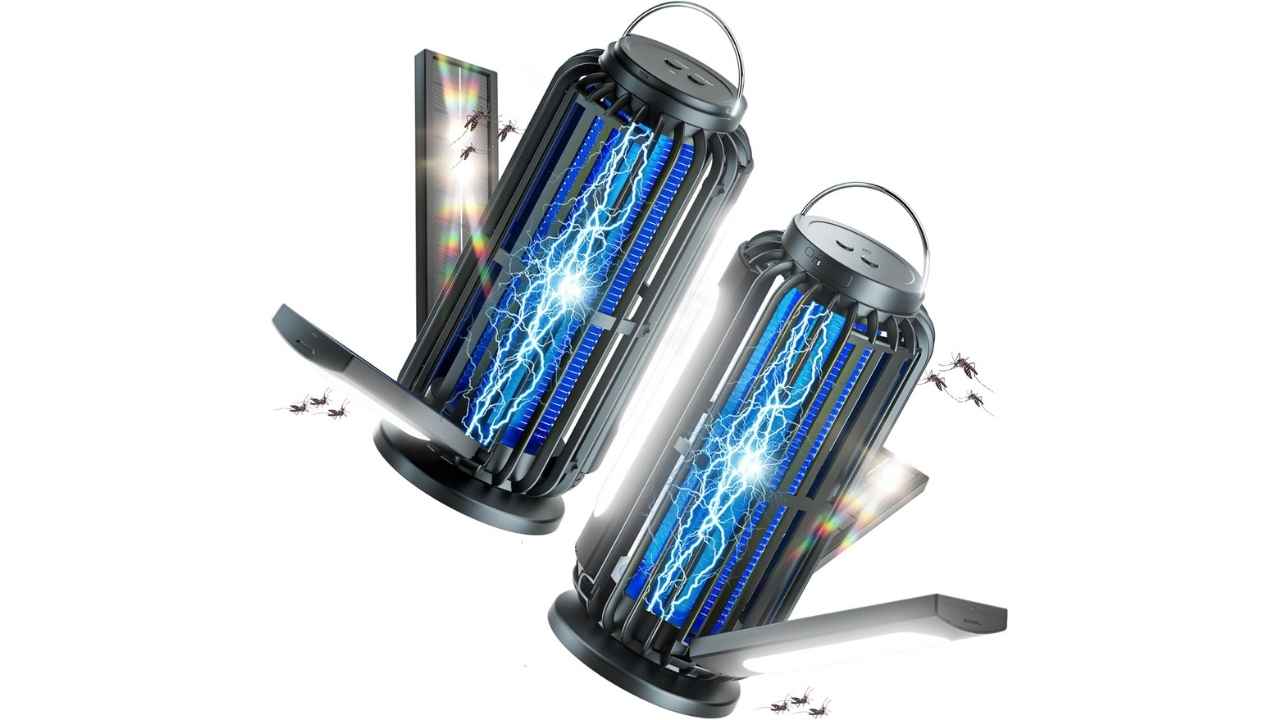 Outdoor essential TYPEC Solar Bug Zapper (36% off) Solar-powered bug zappers for patios and camping. |


