



Every year, American seniors lose over $28 billion to fraud, according to AARP. However, here’s the shocking part: only a fraction ever gets reported. For example, if you’ve received a letter, email, or call claiming you’ve been “pre-qualified” or “pre-approved” for a 401(k) rollover or annuity upgrade, beware. Unfortunately, these scams are getting smarter. Not only do they sound official and even personalized, but the offers aren’t random; instead, they’re based on real details about you.

Why these retirement scams feel so real
Scammers now buy your personal data from data brokers to craft convincing offers. If you’re in your 50s or 60s, you’re a prime target. They know your age, homeownership status, estimated net worth, and even retirement timeline. They don’t guess, they know. Your information is being sold across hundreds of websites, and thousands of people can access it. Curious how exposed you are?
What is a “pre-qualified” retirement scam?
These scams mimic real communications from financial institutions. You might get a letter or call claiming you’re approved for a new investment or annuity opportunity. Scammers often use financial buzzwords like “IRA consolidation” or “required minimum distribution guidance.” The goal? To make you feel like you’re dealing with a trusted expert. They create fake advisor profiles, complete with headshots, license numbers, and U.S. contact info. Many even add logos or branding from familiar banks to boost credibility. But once you respond, they’ll ask for private financial info, or worse, get you to transfer funds directly into their accounts.

Why older adults are prime targets
Scammers love targeting seniors because they typically have savings and are making major financial decisions. Plus, their data is easier to get. The unregulated data broker industry makes it easy for bad actors to find and target seniors with laser focus.
How scammers get your data
These scams are fueled by data purchased from brokers. These companies gather your details, compile profiles, and sell them, often without your knowledge. You could appear on lists labeled “Retirees with $250k+ Net Worth” or “Homeowners Nearing Retirement.” It’s disturbingly precise. Some brokers scrape public records, while others buy data from loyalty cards, surveys, or sweepstakes. Bottom line: this happens quietly, behind your back.
The financial toll of these scams
In 2024, the FBI reported that seniors lost over $4.8 billion to scams, a record high. Retirement-related fraud was a major part of that. Once your money is gone, it’s usually gone for good. Even if the scammer misled you, your bank may not cover the loss if you authorized the transaction. These scams drain more than just savings. They create lasting stress, fear, and shame. Prevention is your best defense.

6 warning signs of a retirement scam
Stay alert for these red flags anytime you get financial offers:
- You didn’t request the offer. If it’s unsolicited, be skeptical, even if it looks legit.
- Urges you to act fast. Pressure tactics are a classic scam move.
- Promises “guaranteed” returns. No real investment can promise that.
- Asks for sensitive details. Legitimate advisors won’t demand your Social Security number or account info over email or phone.
- References real personal info. Just because they “know” your retirement date doesn’t mean they’re trustworthy.
- Lacks verifiable credentials. Always double-check licenses and business addresses through your state regulator.
How to protect yourself from retirement scams
You don’t have to wait until it’s too late. Follow these steps to take control today:
1) Use a personal data removal service
The fewer people who can access your personal information, the safer you are. Opt out of data broker websites manually, or use a data removal service. Manually removing yourself from hundreds of data brokers is overwhelming. A reputable service can automate the process and protect your exposure long-term. While no service can guarantee the complete removal of your data from the internet, a data removal service is really a smart choice. They aren’t cheap – and neither is your privacy. These services do all the work for you by actively monitoring and systematically erasing your personal information from hundreds of websites. It’s what gives me peace of mind and has proven to be the most effective way to erase your personal data from the internet. By limiting the information available, you reduce the risk of scammers cross-referencing data from breaches with information they might find on the dark web, making it harder for them to target you.
A service like Incogni can help you remove all this personal information from the internet. It has a very clean interface and will scan 420+ websites for your information and remove it and keep it removed.
The longer you wait, the more data brokers spread your personal information online. I recommend Incogni to help you remove that data automatically (and they make sure it stays removed) without any effort on your part.
Exclusive Deal for CyberGuy Readers (60% off): Incogni offers a 30-day money-back guarantee and then charges a special CyberGuy discount for all annual plans only through the links in this article for as low as $6.39/month for one person (billed annually) or $13.19/month for your family (up to 5 people) on their annual plan. This fully automated data removal service provides ongoing protection from 420+ data brokers, and if you choose the Unlimited plan, you can also request removals from specific sites where your personal information appears.
I recommend the family plan because it works out to only $2.64 per person per month (or $4.80 per person per month if you get the Family Unlimited plan) for powerful year-round privacy protection. It’s an excellent service, and well worth trying to see how much of your information is being exposed and how effectively it can be removed.
Get Incogni for your family (up to 5 people) here
Is your personal information exposed online?
Run a free scan to see if your personal info is compromised. Results arrive by email in about an hour.
2) Verify the source
Contact your bank, broker, or financial advisor directly. Never trust a cold call, email, or mailed offer without confirmation.
3) Guard your personal details
Never share your Social Security number, account numbers, or full birthdate over the phone or email, even if the offer sounds legitimate.
4) Loop in a trusted contact
Before making any financial moves, talk to a family member or someone you trust. A second opinion can expose red flags.
5) Block scam messages
Use spam filters, call blockers, and browser protections to stop scam messages before they reach you.
6) Use strong antivirus software
Protect your devices from phishing links and malicious downloads that scammers use to steal personal info. The best way to safeguard yourself from malicious links that install malware, potentially accessing your private information, is to have antivirus software installed on all your devices. Additionally, this protection can also alert you to phishing emails and ransomware scams, keeping your personal information and digital assets safe.
TotalAV is easy to set up and offers real-time protection for paid users, keeping your devices safe around the clock. It includes tools to block phishing scams, remove ransomware and spyware, and clean up adware and junk files. The software also features a browser manager, system tune-up tools, and protects across Windows, Mac, Android, and iOS devices.
GET MY EXCLUSIVE CYBERGUY TOTALAV DEAL:
Please note:
1) If you're having difficulty seeing either of the above deals, do this:
- If you're on a mobile device, hold down the link above, "Copy Link", and then paste it into a private or incognito browser.
- If you're on a laptop or desktop, right click the link, "Copy Link", and then paste it into a private or incognito browser.
2) During registration you may see optional upsells you can decline. Our top pick is the core antivirus product.
3) If you need help after your purchase, you can reach TotalAV directly through their official support page here.
7) Monitor your accounts
Regularly check your bank, investment, and credit accounts for unusual activity, and set up alerts for transactions.
8) Report suspicious activity
If you think someone has targeted you, report it to the FTC at reportfraud.ftc.gov. Your report helps investigators and protects others from becoming victims.
9) Stay informed
Subscribe to alerts from trusted sources like CyberGuy to stay ahead of new scams targeting seniors and retirees.
What this means for you
If you plan your retirement carefully, you must stay extra cautious. After all, scammers are watching, and they have your data at their fingertips. To block them effectively, start by controlling the information available about you. Consequently, the less they know, the harder it becomes for them to fool you.
Related Links:
- How to hand off data privacy for older adults to a trusted loved one
- The Data Broker opt-out steps every retiree should take today
- Stop data brokers from selling your information online
Kurt’s key takeaways
Don’t assume an offer is real just because it uses your real data. That’s often a sign it’s a scam. Scammers thrive on your personal information. Take control by locking it down, verifying offers, and refusing to be rushed into decisions.
Should data brokers be required to get your permission before selling your information? Let us know in the comments below.
FOR MORE OF MY TECH TIPS & SECURITY ALERTS, SUBSCRIBE TO MY FREE CYBERGUY REPORT NEWSLETTER HERE
| 🎙 Now Streaming [Ep. 34] Is that Social Security email in your inbox real? How one convincing SSA scam nearly tricked a reader, and the five red flags to check before you click |

| 📱 Lock down your phone in 30 minutes: Join Kurt “CyberGuy” Knutsson for a free live class on Saturday, June 13 at 10 AM ET and learn simple, real-time steps to protect your personal data and stay safer from scams. Register free: CyberGuyLive.com |
This article was created in partnership with Incogni
Copyright 2025 CyberGuy.com. All rights reserved. CyberGuy.com articles and content may contain affiliate links that earn a commission when purchases are made.
🎙 Now Streaming: My New Podcast: The CyberGuy Report
Kurt’s Top Deals
Deals move fast and inventory can be limited, so don’t wait too long.
| 🔥 Editor’s pick  Summer entertaining Ninja SLUSHi Machine (26% off) Frozen drinks and slushies at home in minutes. | |
| 💰 Top deal 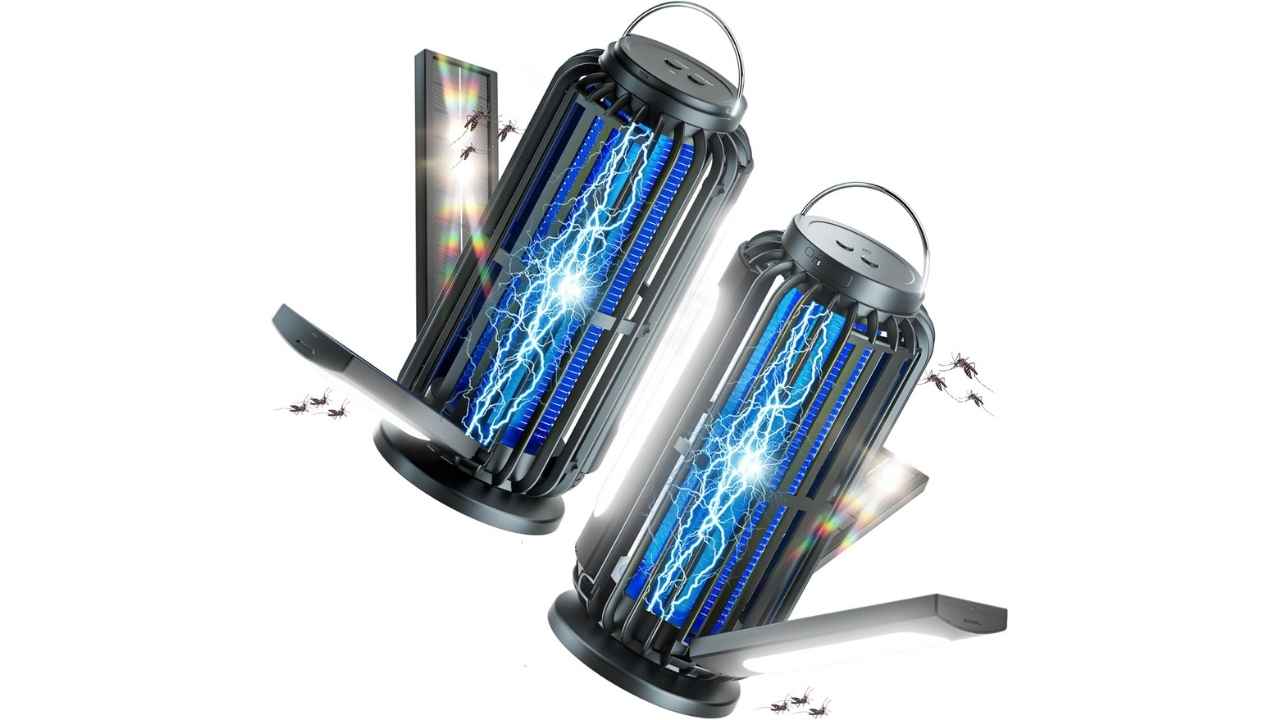 Outdoor essential TYPEC Solar Bug Zapper (36% off) Solar-powered bug zappers for patios and camping. |


1 comment
Data brokers SHOULD be required to get your permission before selling your information.