



Data breaches hit every kind of business, from hospitals to tech firms to major retailers. Now a leading government contractor has joined that list. Conduent, which manages critical public services across the United States, says hackers infiltrated its systems for nearly three months. The cyberattack exposed personal information linked to more than 10 million people.

All about the Conduent breach and its scale
Conduent discovered the intrusion in January 2025 and said hackers had infiltrated its network as early as October 21, 2024. During this period, attackers reportedly stole large amounts of data linked to state-level programs such as Medicaid, child support, food assistance, and toll systems. Conduent claims that its investigation found no ongoing malicious activity and said operations were safely restored after the breach was contained.
Conduent manages technology and payment systems for dozens of U.S. state governments, processing roughly $85 billion in annual disbursements and handling over 2 billion customer service interactions every year. According to its own estimates, it supports around 100 million residents through various government health and welfare programs.
The company reported that at least 400,000 people in Texas were affected, with compromised data including Social Security numbers, medical records, and health insurance details. Other affected states include Washington, South Carolina, New Hampshire, Maine, Oregon, Massachusetts, and California. Notifications are being sent to all impacted individuals, and a dedicated call center has been established to answer questions about the breach.

How the breach unfolded
In January, Conduent described the event as an “operational disruption caused by a third-party compromise.” The breach led to several days of downtime, disrupting vital services in multiple states. In Wisconsin, for instance, parents and beneficiaries were unable to process payments due to system outages, leaving many struggling to meet obligations related to child support and welfare programs.
The SafePay ransomware group later claimed responsibility for the attack, alleging it had stolen 8.5 terabytes of data. Conduent confirmed in a Securities and Exchange Commission (SEC) filing that hackers had indeed exfiltrated files belonging to a limited number of clients. The company says it hired cybersecurity experts to analyze the stolen data and recently confirmed that it contained significant amounts of personal information from end-users across multiple programs.
Despite the massive theft, Conduent said there is currently no evidence that the stolen data has been published online or on dark web marketplaces.
We reached out to Conduent for a comment, and a rep for the company provided CyberGuy with the following statement,
“As previously disclosed in its April 2025 Form 8-K filing with the SEC, in January 2025, Conduent discovered that it was the victim of a cybersecurity incident. With respect to that incident, Conduent has agreed to send notification letters, on behalf of its customers, to individuals whose personal information may have been affected by this incident. In addition, a dedicated call center has been set up to address consumer inquiries. At this time, Conduent has no evidence of any attempted or actual misuse of any information potentially affected by this incident.
Upon discovery of the incident, Conduent acted quickly to secure its networks, restore its systems and operations, notify law enforcement, and conduct an investigation with the assistance of third-party forensics experts. In addition, given the nature and complexity of the data involved, Conduent has been working diligently with a dedicated review team, including internal and external experts, to conduct a detailed analysis of the affected files to identify the personal information contained therein, which was a time-intensive process.
Conduent takes this matter seriously and regrets any inconvenience this incident may have caused.”

6 steps you can take to protect yourself from Conduent data breach
If your information may have been exposed in the Conduent breach or any similar data leak, you’re not without defenses. There are several steps you can take right now to reduce the risks.
1) Consider a personal data removal service
Data brokers collect and sell personal information such as your name, home address, phone number, and relatives’ names. This data can be used for scams or social engineering attacks. Personal data removal services find these records across dozens of sites and submit takedown requests on your behalf.
While no service can guarantee the complete removal of your data from the internet, a data removal service is really a smart choice. They aren’t cheap, and neither is your privacy. These services do all the work for you by actively monitoring and systematically erasing your personal information from hundreds of websites. It’s what gives me peace of mind and has proven to be the most effective way to erase your personal data from the internet. By limiting the information available, you reduce the risk of scammers cross-referencing data from breaches with information they might find on the dark web, making it harder for them to target you.
Watch the latest episode of The CyberGuy Report.

Missed this event? Sign up via the registration form and see our live recording.
See Kurt’s latest Amazon picks for useful gadgets, smart home upgrades and everyday tech worth grabbing while the deals last.
Incogni, a service I trust 100% and use myself, helps automate the process by submitting removal requests to hundreds of data brokers and people-search sites on your behalf. Incogni automatically contacts data brokers on your behalf and requests the removal of your personal information. It also continues monitoring those sites and submits new removal requests if your data reappears. CyberGuy readers get 60% off Incogni’s annual plans using the links in this article. The service also includes a 30-day money-back guarantee, so you can try it risk-free and see how much of your information is exposed online.
Is your personal information exposed online?
Run a free scan to see if your personal info is compromised. Results arrive by email in about an hour.
2) Monitor your accounts regularly
After a major data breach, one of the most effective ways to protect yourself is to stay alert. Check your bank and credit card statements every few days for unusual transactions, even small ones. Watch your benefit accounts or tax filings for irregular activity. Early detection gives you time to freeze accounts or stop fraudulent charges before they escalate.
3) Install a reputable antivirus program
Antivirus software is your first line of defense against cyber threats that often follow large breaches. Stolen data can be used to launch targeted phishing attacks or spread malware through fake links and emails. A reliable antivirus solution actively scans for malicious activity, blocks suspicious downloads, and keeps your devices safe from newer online threats through automatic updates.
The best way to safeguard yourself from malicious links that install malware, potentially accessing your private information, is to have strong antivirus software installed on all your devices. This protection can also alert you to phishing emails and ransomware scams, keeping your personal information and digital assets safe.
- Strong real-time protection against viruses, malware, ransomware and hacking attempts
- AI-powered scam protection to help identify suspicious emails, texts and websites
- Built-in password manager to securely store and manage logins
- 2 GB PC cloud backup to help protect important files from ransomware or hardware failure
- Smart firewall and phishing protection
- Protects 1, 3 or 5 devices
- Available for Windows, macOS, Android and iOS
- Includes real-time threat protection, smart firewall and phishing protection to guard against online attacks
4) Enable two-factor authentication (2FA)
Even if your login credentials are compromised, two-factor authentication (2FA) can stop attackers from getting in. It requires an additional code sent to your phone, email, or authentication app, making unauthorized access nearly impossible. Enable 2FA on your banking, email, and government-related accounts, as these often hold the most sensitive information.
5) Use a password manager
Many breaches happen because people reuse the same password across multiple websites. A password manager eliminates that risk by creating and storing strong, unique passwords for every account.
Next, see if your email has been exposed in past breaches. Our #1 pick, NordPass, includes a built-in breach scanner that checks whether your email address or passwords have appeared in known leaks. If you discover a match, immediately change any reused passwords and secure those accounts with new, unique credentials.
- Unlimited password storage
- Secure sharing
- Password health reports
- Auto-fill and emergency access
- Data breach monitoring to alert you if your credentials have been exposed
- A Security Dashboard with tools like the Data Breach Scanner and Password Health Checker to identify weak, reused, or compromised passwords
CyberGuy Exclusive Deal: Save 52% now with CyberGuy’s exclusive NordPass offer – Get 1 extra month FREE with a 2-year plan. Try 30 days risk-free for only $1.43 per month!
6) Consider an identity theft protection service
Identity theft protection services monitor your personal data across multiple sources, including the dark web and public records. Identity Theft companies can monitor personal information like your Social Security Number (SSN), phone number, and email address, and alert you if it is being sold on the dark web or being used to open an account. They can also assist you in freezing your bank and credit card accounts to prevent further unauthorized use by criminals.
Exclusive CyberGuy deal: Save up to 68% today: Get Aura’s award-winning identity theft protection and credit monitoring for as low as $9/month when billed annually.
Related Links:
- Beware of these fake credit card account restriction scams
- Payroll scam hits U.S. universities as phishing wave tricks staff
- From friendly text to financial trap: the new scam trend
Kurt’s key takeaway
Even though Conduent claims the stolen data hasn’t surfaced online, that doesn’t mean it’s safe. Data exfiltration on this scale has long-term implications, from identity theft to potential fraud within public benefit systems. The real test will be how both Conduent and its government partners adapt their cybersecurity oversight to prevent similar breaches. Because at this point, the question isn’t whether these systems will be targeted again, but whether they’ll be any better prepared when it happens.
Do you think government contractors handling sensitive information should face stricter cybersecurity regulations? Let us know in the comments below.
FOR MORE OF MY TECH TIPS & SECURITY ALERTS, SUBSCRIBE TO MY FREE CYBERGUY REPORT NEWSLETTER HERE
Copyright 2025 CyberGuy.com. All rights reserved. CyberGuy.com articles and content may contain affiliate links that earn a commission when purchases are made.
🎙 Now Streaming: My New Podcast: The CyberGuy Report
Kurt’s Top Deals
Deals move fast and inventory can be limited, so don’t wait too long.
| 🔥 Editor’s pick  Summer entertaining Ninja SLUSHi Machine (26% off) Frozen drinks and slushies at home in minutes. | |
| 💰 Top deal 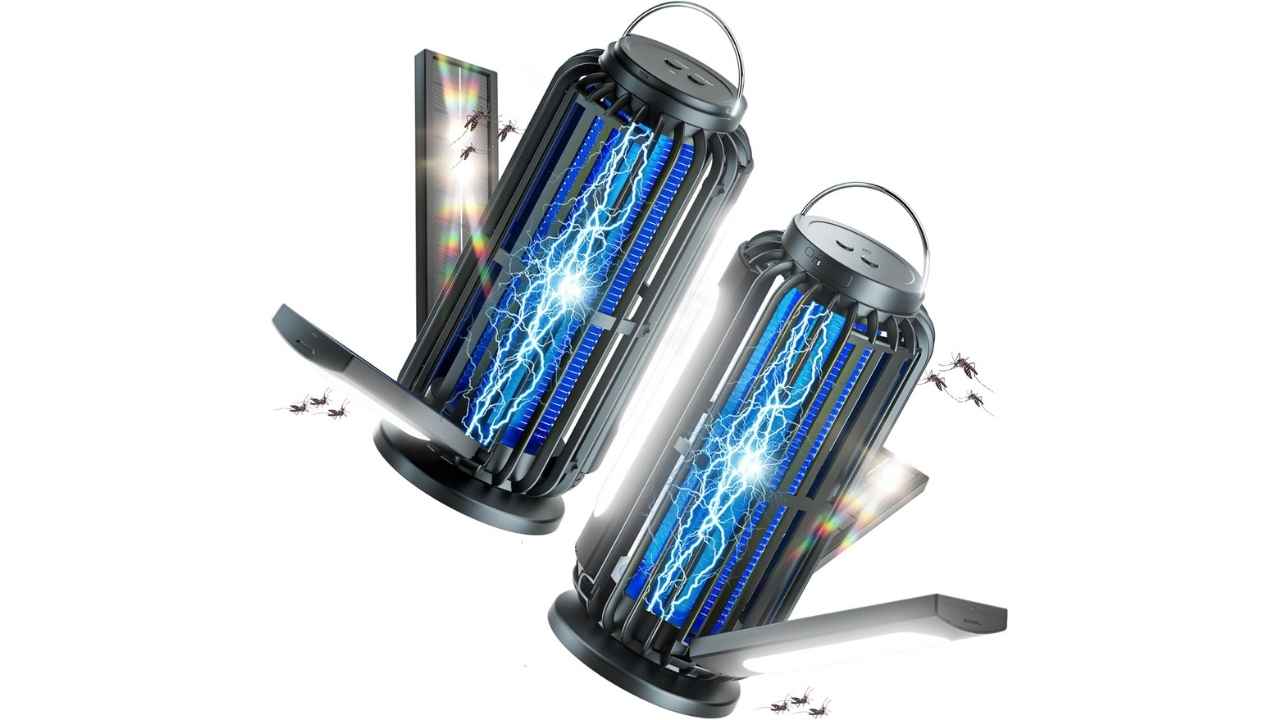 Outdoor essential TYPEC Solar Bug Zapper (36% off) Solar-powered bug zappers for patios and camping. |


2 comments
These attack are not ok, our information will never be safe as long as we are required to divulge sensitive information to businesses and healthcare systems. It is emotionally exhausting to hear there was another breech that went unnoticed. I have been victimized by these breeches. Thanks to Kurt and this website I have taken the extra measures he suggests and advertises. But I still feel vulnerable.
In most instances our personal info is required to receive services. Data breaches hit every kind of business, from hospitals to tech firms to major retailers, and goverement. It should be required by all companies that store or control this information to provide the individuals whose personal information may have been affected by these incidents with the software to protect themselves. It seems all these companies call afford to fix/update their systems after the breaches occur, they surly can afford to provide us the protection for the individuals whose info was stolen. Maybe they would be a little more proactive.