


PayPal and Venmo just rolled out something big: AI-powered scam alerts for Friends and Family payments. If you’ve ever worried about accidentally sending money to a scammer, this new feature is designed for you.
The alert system is smarter than the old generic pop-ups. Instead of repeating “watch out for scams” every time you send money, these new alerts adapt in real time to the actual risk level of your transaction. Let’s break down how it works and what you can do to stay ahead of scammers.

Credit: PayPal
How do AI-powered scam alerts work?
The alerts use machine learning models that constantly update and improve. These AI tools analyze billions of data points to detect new scam patterns, even ones they haven’t seen before. If a payment seems suspicious, the system will interrupt the transaction with a tailored alert. And the higher the risk, the stronger the warning.
Unlike traditional alerts, these messages escalate in urgency depending on the likelihood of fraud. In high-risk cases, PayPal may even block the payment automatically.
Why PayPal and Venmo built this AI feature
Scammers constantly shift tactics, especially on social media. Fraudsters will often pressure people to send Friends and Family payments, which aren’t eligible for refunds. That’s why PayPal designed this system to act before the money leaves your account. According to the company, putting real-time warnings in front of users empowers them to make informed decisions when it matters most.
Dynamic alerts vs. static warnings
Traditional alerts use a one-size-fits-all approach. PayPal’s new system is contextual and dynamic. It adjusts the message based on:
- The type of transaction
- The recipient’s behavior
- Current scam trends
That’s not just smart tech, it’s a better experience for users.
Global rollout and future plans for the AI scam alerts
These AI scam alerts are now live in all global PayPal markets and across the United States on Venmo. And because the models are self-learning, they’ll keep improving as scam techniques evolve.
Tips to stay safe beyond the AI-powered scam alerts
PayPal’s alert system is powerful, but your behavior matters too. Here are some simple ways to keep your data safe:
1) Create strong, unique passwords
Use a different password for every account. Avoid personal details and common phrases. Combine three or more random words for strength. Consider using a password manager to generate and store complex passwords.
- Unlimited password storage
- Secure sharing
- Password health reports
- Auto-fill and emergency access
- Data breach monitoring to alert you if your credentials have been exposed
- A Security Dashboard with tools like the Data Breach Scanner and Password Health Checker to identify weak, reused, or compromised passwords
CyberGuy Exclusive Deal: Save 52% now with CyberGuy’s exclusive NordPass offer – Get 1 extra month FREE with a 2-year plan. Try 30 days risk-free for only $1.43 per month!
Watch the latest episode of The CyberGuy Report.

Missed this event? Sign up via the registration form and see our live recording.
See Kurt’s latest Amazon picks for useful gadgets, smart home upgrades and everyday tech worth grabbing while the deals last.
2) Review social media privacy settings
Limit public access to your phone number and email. Avoid posting travel pics in real time. Enable two-factor authentication (2FA) wherever possible.
3) Monitor your credit and financial accounts
Check your credit reports regularly. Set up alerts for changes or unusual activity. Act fast if anything looks suspicious.
4) Keep devices and apps updated
Install security updates as soon as they’re available. Only use trusted app stores and verified downloads. Don’t forget to secure your kids’ devices too.
5) Be cautious on public Wi-Fi
Avoid accessing financial accounts on public networks: Never share sensitive info over unsecured Wi-Fi. Use a VPN or mobile data connection when possible.
ExpressVPN is the go-to choice for those who prioritize ultra-fast speeds, reliability, and top-tier security. With servers in 105 countries, ExpressVPN delivers blazing-fast performance for streaming, gaming, and secure browsing. It supports P2P file sharing, offers best-in-class encryption, and maintains a strict no-logs policy—with all servers running on RAM for enhanced privacy. You can connect up to 10 devices simultaneously, and setup takes under 2 minutes. Plus, with 24/7 live customer support and a 30-day money-back guarantee, ExpressVPN is a premium choice for security-focused users who want speed without compromise.
CyberGuy Exclusive ExpressVPN Deals:
✅ Save 75% – Get 3 months FREE with 12-month plan for $3.99/month. Try 30 days risk-free.
✅ Save 84% – Get 4 months FREE with 24-month plan for $2.49/month. Try 30 days risk-free.
Surfshark – Best for Unlimited Devices & Budget-Friendly Security
If you're looking for a more affordable VPN without sacrificing security, Surfshark is an excellent choice. Surfshark operates under a strict no-logs policy and offers top-notch encryption to keep your data safe. However, Surfshark stands out by allowing unlimited devices on a single account - making it perfect for families, small businesses, or users with multiple gadgets. If you're looking for a more affordable VPN without sacrificing security, Surfshark is an excellent choice. Surfshark operates under a strict no-logs policy and offers top-notch encryption to keep your data safe. It now runs on upgraded 100 Gbps servers, delivering faster speeds, smoother streaming, and greater reliability even during peak hours. The upgrade also makes Surfshark more future-proof with improved stability, scalability, and load balancing for growing bandwidth demands.
Surfshark stands out by allowing unlimited devices on a single account—making it perfect for families, small businesses, or users with multiple gadgets. It also includes features like MultiHop (double VPN) and Camouflage Mode to bypass VPN restrictions in censored regions. With a budget-friendly price and feature-rich security, Surfshark is ideal for those who want privacy on a budget.
CyberGuy Exclusive Surfshark Deals:
✅ Save 81% – Get 3 extra months FREE with 12-month plan for $2.98/month. Try 30 days risk-free.
✅ Save 88% – Get 3 extra months FREE with 24-month plan for $1.78/month. Try 30 days risk-free.
For best VPN software, see my expert review of the best VPNs for browsing the web privately on your Windows, Mac, Android & iOS devices
6) Watch for phishing and fake messages and install strong antivirus software
Don’t click links or download attachments from unknown senders. Avoid urgent messages pressuring immediate action. If in doubt, don’t reply. The best way to safeguard yourself from malicious links that install malware, potentially accessing your private information, is to have strong antivirus software installed on all your devices. This protection can also alert you to phishing emails and ransomware scams, keeping your personal information and digital assets safe.
- Strong real-time protection against viruses, malware, ransomware and hacking attempts
- AI-powered scam protection to help identify suspicious emails, texts and websites
- Built-in password manager to securely store and manage logins
- 2 GB PC cloud backup to help protect important files from ransomware or hardware failure
- Smart firewall and phishing protection
- Protects 1, 3 or 5 devices
- Available for Windows, macOS, Android and iOS
- Includes real-time threat protection, smart firewall and phishing protection to guard against online attacks
7) Use secure payment methods
Use PayPal or other protected systems for online transactions. Avoid sending Friends and Family payments to strangers. Understand when your payment is and isn’t refundable.
Kurt’s key takeaways
Online scams aren’t going away, but tools like AI-powered alerts from PayPal and Venmo are making it much harder for scammers to win. These intelligent alerts combine speed, adaptability, and user-focused design to warn you before money leaves your account. Pair that with smart personal habits, and you’re on the path to safer online spending.
Would you trust AI to decide when your money is at risk, or would you rather decide for yourself? Let us know in the comments below.
FOR MORE OF MY TECH TIPS & SECURITY ALERTS, SUBSCRIBE TO MY FREE CYBERGUY REPORT NEWSLETTER HERE
Copyright 2025 CyberGuy.com. All rights reserved. CyberGuy.com articles and content may contain affiliate links that earn a commission when purchases are made.
🎙 Now Streaming: My New Podcast: The CyberGuy Report
Kurt’s Top Deals
Deals move fast and inventory can be limited, so don’t wait too long.
| 🔥 Editor’s pick  Summer entertaining Ninja SLUSHi Machine (26% off) Frozen drinks and slushies at home in minutes. | |
| 💰 Top deal 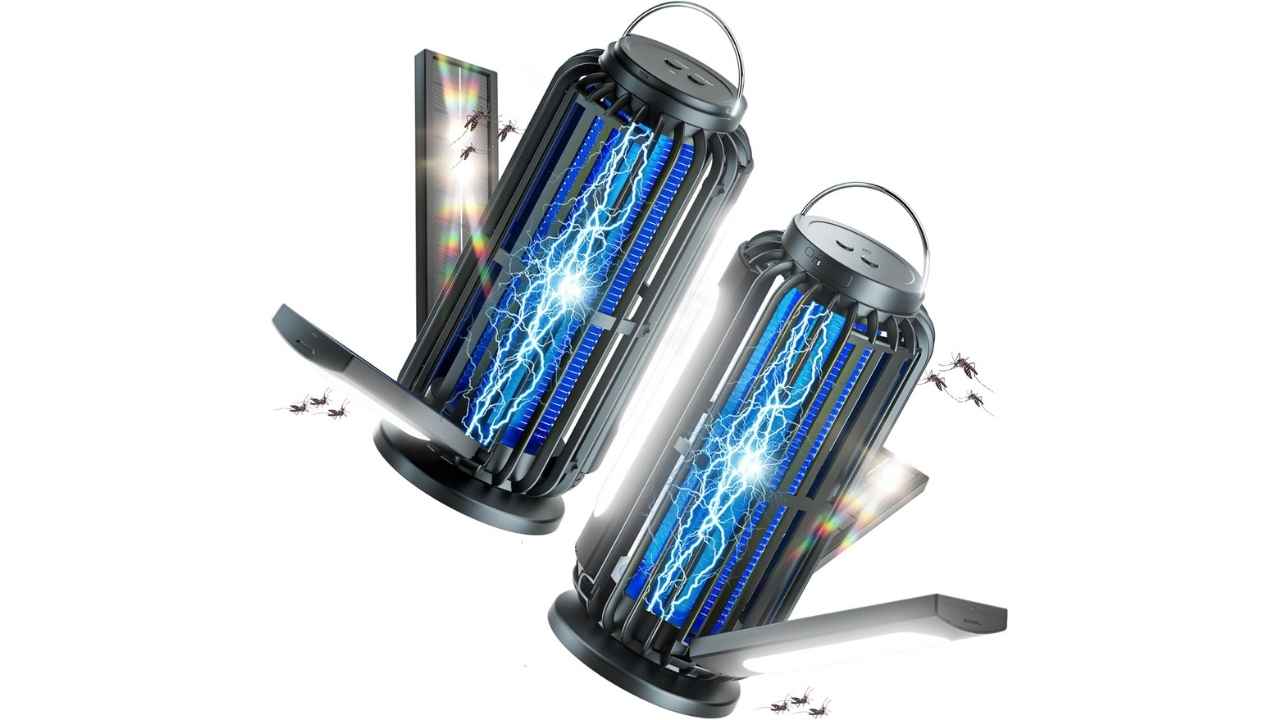 Outdoor essential TYPEC Solar Bug Zapper (36% off) Solar-powered bug zappers for patios and camping. |


1 comment
I WOULD TRUST AI B/4 myself.