



Google Chrome is the most popular browser in the world, and it is used by billions of people. However, its widespread usage also makes it a prime target for bad actors who exploit various methods, such as malicious extensions, phishing links, and fake websites. The latest attack involves hackers exploiting a browser vulnerability to conduct espionage. Google has acknowledged the security flaw and has released an update to fix it.
About the attack
Cybersecurity researchers at Kaspersky recently discovered a sophisticated cyber espionage campaign exploiting a previously unknown vulnerability in Google Chrome. The attack was triggered when victims unknowingly clicked on a phishing link in an email, launching a malicious site in their browser. Shockingly, no further action was required. Simply opening the link was enough to infect the system.
According to Kaspersky’s report, the malware was based on a zero-day vulnerability, later identified as CVE-2025-2783. Researchers say they analyzed the exploit, reverse-engineered its logic, and uncovered that it allowed attackers to bypass Chrome’s built-in security features as if they didn’t exist.
The vulnerability exploited Chrome’s inter-process communication framework, known as Mojo, which is crucial for the browser’s functionality. This allowed the attackers to execute malicious code across different processes within Chrome, effectively bypassing its security measures.
“We have discovered and reported dozens of zero-day exploits actively used in attacks, but this particular exploit is certainly one of the most interesting we’ve encountered,” Kaspersky noted.
The cybersecurity team also highlighted the stealthy nature of the attack, which primarily targeted media professionals, educational institutions, and government agencies. Dubbed “Operation ForumTroll,” the campaign appeared to have espionage as its primary goal.
CLICKFIX MALWARE TRICKS YOU INTO INFECTING YOUR OWN WINDOWS PC
Google’s response to the attack
Once Kaspersky reported the vulnerability, Google released an emergency fix. The company has updated Chrome’s Stable channel for Windows, with the update gradually rolling out to users over the next few days and weeks. Meanwhile, the Extended Stable channel has also been updated.
As with most security updates, Google is keeping the details under wraps until the majority of users have installed the fix. This is a standard precaution to prevent other hackers from exploiting the flaw, while some users are still unprotected. If the bug also affects third-party software, Google will continue restricting details until those platforms release their own patches.
HACKED CHROME EXTENSIONS PUT 2.6 MILLION USERS AT RISK OF DATA LEAK
How to update Google Chrome
While the malware is affecting the Windows version of Google Chrome, it’s a good idea for everyone who uses Google Chrome to update their browsers. Below, we’ve listed steps to update the browser on Windows and other devices. To learn more about how to update other browsers like Safari, see my guide here.
Windows
- Open Chrome browser
- At the top right, click More
- Click Help, then About Google Chrome
- Select Update Google Chrome
Note: If you do not see the “Update Google Chrome” button, then your browser is already updated - Click Relaunch to complete

Watch the latest episode of The CyberGuy Report.

Missed this event? Sign up via the registration form and see our live recording.
See Kurt’s latest Amazon picks for useful gadgets, smart home upgrades and everyday tech worth grabbing while the deals last.
macOS
- Open Google Chrome on your Mac.
- Click the three dots in the upper-right corner of the browser window.
- Navigate to Help > About Google Chrome from the dropdown menu.
- The browser will automatically check for updates. If an update is available, it will begin downloading immediately.
- Once the update is downloaded, click Relaunch to apply it.
- If the above steps fail or you do not see the update option:
- Visit google.com/chrome to download the latest version manually.
- Open the installer file and follow the on-screen instructions to install Chrome.
iPhone/iPad
- Open the App Store on your iPhone or iPad.
- Tap your profile picture in the top-right corner of the screen.
- Scroll down to Available Updates and look for Google Chrome in the list of apps with pending updates.
- If you see Chrome listed, tap the Update button next to it.
- If you don’t see Chrome under Available Updates:
- Use the search bar at the top of the App Store and type “Google Chrome.”
- Tap on Google Chrome in the search results and check if an Update button is available. If so, tap it.
- Once updated, a small blue dot will appear next to Chrome’s app name on your home screen, indicating that it has been recently updated.
- You can also confirm that Chrome is up-to-date by reopening the App Store, scrolling down to Updated Recently, and checking if Google Chrome appears there with today’s date.
Android
Settings may vary depending on your Android phone’s manufacturer
- Open the Google Play Store app on your device.
- Tap your profile icon in the top-right corner of the screen.
- Select Manage apps & device from the menu.
- Under Updates available, tap See details to view a list of apps with pending updates.
- Locate Google Chrome in the list and tap the Update button next to it.
- If you don’t see Chrome listed under updates:
- Search for “Google Chrome” in the Play Store search bar.
- Tap on Chrome in the results and check if an Update button is available. If so, tap it.
- Once updated, tap Open to launch the latest version of Chrome.
OUTSMART HACKERS WHO ARE OUT TO STEAL YOUR IDENTITY
3 additional ways to protect your privacy
While updating Chrome should fix the vulnerability, below are some security tips you can follow to further bolster your privacy and security.
1) Have strong antivirus software: Hackers often gain access to devices by sending infected emails or documents, or tricking you into clicking a link that downloads malware. You can avoid all of this by installing strong antivirus software that will detect any potential threat before it can take over your device.
COVERAGE
EXCLUSIVE CYBERGUY DEAL: 58% off (year 1) Please note that the above product is the core antivirus product. Norton may try to upsell additional products, but we don’t recommend them. We encourage you to decline those offers.
2) Enable two-factor authentication (2FA): Many online accounts, including Google, offer two-factor authentication as an extra security measure. Enabling 2FA ensures that even if a hacker obtains your password, they still need a second form of verification—such as a code sent to your phone—to access your account. This simple step significantly reduces the chances of unauthorized access.
3) Use a secure password manager: A strong password is crucial, but remembering multiple complex passwords can be difficult. A password manager generates, stores, and auto-fills strong passwords for your accounts, reducing the risk of password-related breaches. Avoid using the same password across different sites, and always opt for long, unique passwords.
One of the best password managers out there is NordPass. It is secure, user-friendly, and uses zero-knowledge and military-grade XChaCha20 encryption to protect your data. It supports Windows, macOS, Linux, Android, iOS, and major browsers while offering unlimited password storage, secure sharing, password health reports, data breach monitoring, auto-fill, and emergency access.
Get more details about my best expert-reviewed Password Managers of 2025 here.
Kurt’s key takeaway
This incident serves as yet another reminder that even the most secure systems are never truly invulnerable, especially when state-backed or highly skilled actors are in play. While Google’s quick response is commendable, it also highlights the never-ending cat-and-mouse game between security teams and cybercriminals. If you are using Chrome, update it now.
Do you think Google is doing enough to protect users from security threats? Let us know in the comments below.
FOR MORE OF MY SECURITY ALERTS, SUBSCRIBE TO MY FREE CYBERGUY REPORT NEWSLETTER HERE
Copyright 2025 CyberGuy.com. All rights reserved. CyberGuy.com articles and content may contain affiliate links that earn a commission when purchases are made.
🎙 Now Streaming: My New Podcast: The CyberGuy Report
Kurt’s Top Deals
Deals move fast and inventory can be limited, so don’t wait too long.
| 🔥 Editor’s pick  Summer entertaining Ninja SLUSHi Machine (26% off) Frozen drinks and slushies at home in minutes. | |
| 💰 Top deal 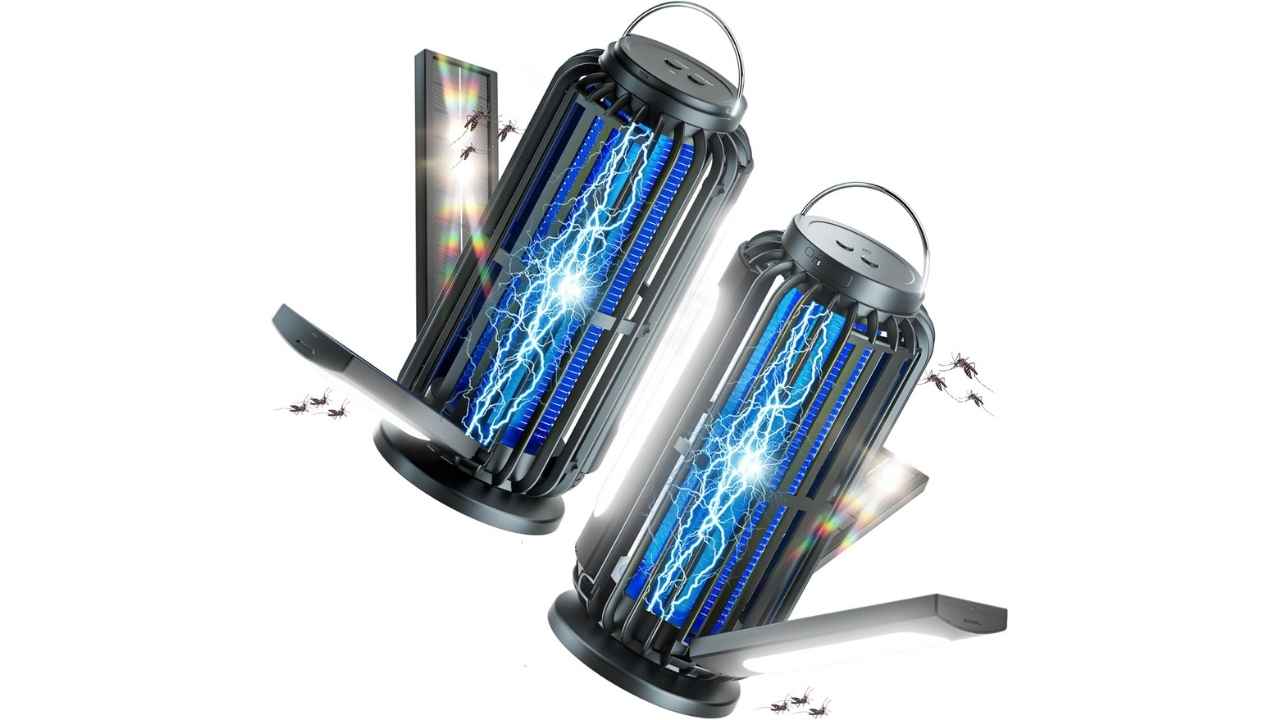 Outdoor essential TYPEC Solar Bug Zapper (36% off) Solar-powered bug zappers for patios and camping. |


