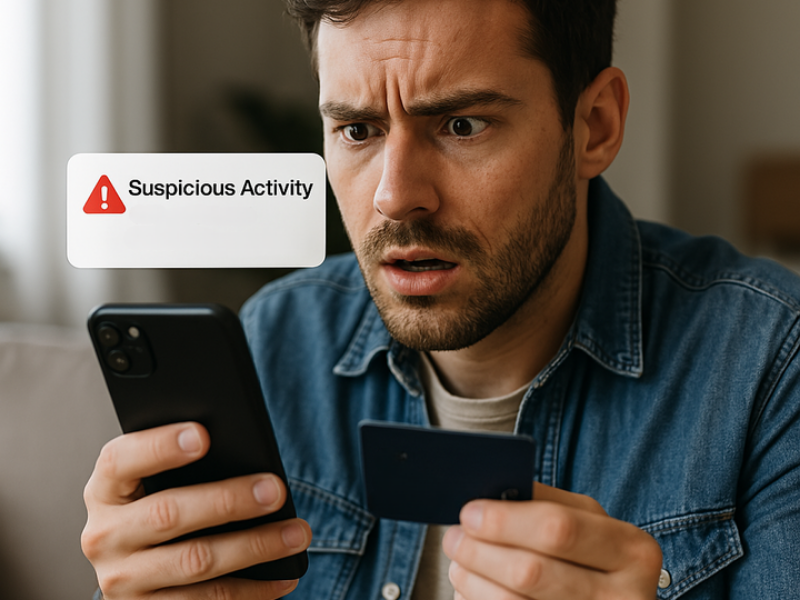



- Fraudsters can use your credit card before it arrives by accessing digital card details online.
- Common methods include account takeovers, mobile wallet abuse, phishing, and data breaches.
- Digital wallets and instant card access can expose new cards to fraud before delivery.
- Act quickly by securing accounts, enabling MFA, and contacting your card issuer to stop charges.
Imagine receiving a notification about suspicious charges on a credit card you haven’t even received yet. How could that happen? While it sounds surprising and unsettling, it’s increasingly common due to the rise of digital credit card fraud. Criminals no longer need physical cards to make unauthorized transactions, thanks to methods such as data breaches, phishing schemes, and card-not-present fraud. Here’s how these schemes work and what steps you should take immediately to protect yourself.

How credit card fraud happens before your card arrives
A new credit card can be at risk before it even arrives. The problem is usually not physical theft. It is digital access to your information. Criminals use online account features, mobile wallets, or leaked data to start using your card early. Below are some of the most common ways this type of fraud happens.
1) Account takeover or access
If a scammer already has access to your account, either through stolen login credentials, a hacked email, or malware, they can view the newly issued card number in the online dashboard or mobile app. Many credit card companies now allow instant access to digital card numbers for use in Apple Pay, Google Wallet, or online purchases. This means that as soon as a new card is issued, it may be visible digitally before the physical card is even shipped. If a fraudster has access to your account, they can add the number to a digital wallet and begin spending before the envelope ever hits your mailbox.
2) Digital wallet hijack
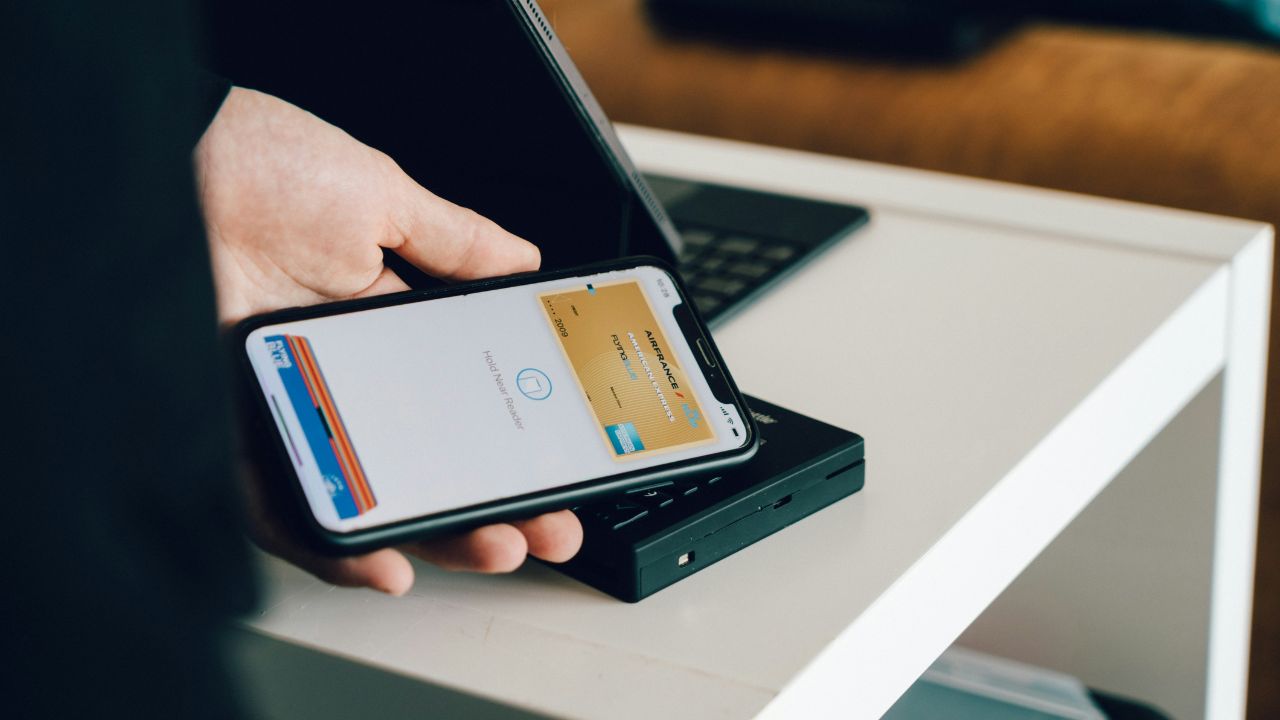
Some card issuers allow you to add your credit card to mobile wallets instantly, even before the physical card arrives. While this feature is convenient, it can also expose you to specific security risks tied to mobile wallet activation. Criminals may exploit this process by using stolen personal information to bypass security checks and add your card to their own Apple Pay or Google Wallet accounts. They might pose as you to request a new card, intercept or reroute the digital activation process, or even start making fraudulent purchases immediately. This type of fraud can be hard to detect, especially if you’re not expecting a new card or if unauthorized charges blend in with legitimate transactions.
3) Phishing or data breaches
Another common scenario involves your personal information being compromised in a phishing attack or large-scale data breach. Thieves use this stolen data—such as your name, Social Security number, address, and security question answers—to impersonate you and gain access to your account dashboard or reset login credentials. Once inside, they can retrieve new card details directly from the source or request a replacement card. Phishing scams often trick victims into revealing sensitive information through fake emails or websites, while data breaches expose vast amounts of personal data that criminals can exploit for fraudulent activities.
4) Mail theft
Although charges made before a new credit card is received are rarely due to mail theft, this type of traditional fraud still poses a risk. Criminals may intercept your mail to steal sensitive documents, including credit cards, which can then be used for unauthorized purchases. To reduce this risk, avoid leaving important mail unattended in your mailbox. Consider using Informed Delivery by USPS to track incoming mail or request that your credit card be delivered to a secure location, such as a P.O. box or directly to your bank branch.
What to do if fraudulent charges appear before your credit card arrives
If you find yourself in this situation where fraudulent charges appear on a card you haven’t received yet, take these steps right away:
Watch the latest episode of The CyberGuy Report.

Missed this event? Sign up via the registration form and see our live recording.
See Kurt’s latest Amazon picks for useful gadgets, smart home upgrades and everyday tech worth grabbing while the deals last.
1) Change login credentials
Update all login information with your bank or credit card company, including:
- New password
- Security questions
- PIN (if applicable)
If your account is linked to an email address that may also be compromised, update the password for that email account as well. Many fraudsters gain access by first hacking your email, which can give them entry to password reset links and sensitive notifications. Consider using a password manager to generate and store complex passwords.
One of the best password managers out there is NordPass. It is secure, user-friendly, and uses zero-knowledge and military-grade XChaCha20 encryption to protect your data. It supports Windows, macOS, Linux, Android, iOS, and major browsers while offering unlimited password storage, secure sharing, password health reports, data breach monitoring, auto-fill, and emergency access.
- Unlimited password storage
- Secure sharing
- Password health reports
- Auto-fill and emergency access
- Data breach monitoring to alert you if your credentials have been exposed
- A Security Dashboard with tools like the Data Breach Scanner and Password Health Checker to identify weak, reused, or compromised passwords
CyberGuy Exclusive Deal: Save 52% now with CyberGuy’s exclusive NordPass offer – Get 1 extra month FREE with a 2-year plan. Try 30 days risk-free for only $1.43 per month!
2) Use strong antivirus software
If spyware or a keylogger has been installed on your device, it can continue to steal sensitive data, such as passwords and personal information, even after you change your credentials. To protect yourself, install strong antivirus software on all your devices. An antivirus solution, like Norton Antivirus Plus (CyberGuy Deal: 58% off), offers comprehensive protection against malware, including keyloggers, spyware, and ransomware. These tools can block malicious links, detect phishing emails, and prevent unauthorized access to your private information.
- Strong real-time protection against viruses, malware, ransomware and hacking attempts
- AI-powered scam protection to help identify suspicious emails, texts and websites
- Built-in password manager to securely store and manage logins
- 2 GB PC cloud backup to help protect important files from ransomware or hardware failure
- Smart firewall and phishing protection
- Protects 1, 3 or 5 devices
- Available for Windows, macOS, Android and iOS
- Includes real-time threat protection, smart firewall and phishing protection to guard against online attacks
3) Enable Multi-Factor Authentication (MFA)
Add MFA to all accounts tied to your financial information. This adds an extra layer of security by requiring a second verification step (e.g., a code sent to your phone) before accessing sensitive accounts.
4) Use an identity theft protection service
Identity Theft companies can monitor personal information like your Social Security Number (SSN), phone number, and email address, and alert you if it is being sold on the dark web or being used to open an account. They can also assist you in freezing your bank and credit card accounts to prevent further unauthorized use by criminals.
Exclusive CyberGuy deal: Save up to 68% today: Get Aura’s award-winning identity theft protection and credit monitoring for as low as $9/month when billed annually.
5) Invest in personal data removal services
Consider using a personal data removal service to reduce your online exposure. These services continuously monitor and remove your sensitive information from data brokers and websites that could be exploited by criminals. This lowers the chances of your data being used in phishing scams or other fraudulent activities. While no service promises to remove all your data from the internet, having a removal service is great if you want to constantly monitor and automate the process of removing your information from hundreds of sites continuously over a longer period of time.
Incogni, a service I trust 100% and use myself, helps automate the process by submitting removal requests to hundreds of data brokers and people-search sites on your behalf.
Incogni automatically contacts data brokers on your behalf and requests the removal of your personal information. It also continues monitoring those sites and submits new removal requests if your data reappears.
- Incogni currently removes personal data from 420+ data broker and people-search websites, and its Unlimited plan allows you to request removals from as many additional sites as you need.
- Incogni has also received third-party assurance from Deloitte, validating its marketing claims.
- The goal is simple: make it much harder for strangers, scammers, and cybercriminals to find your personal information online.
CyberGuy readers get 60% off Incogni’s annual plans using the links in this article.
The service also includes a 30-day money-back guarantee, so you can try it risk-free and see how much of your information is exposed online.
6) Ask your credit card company to investigate
Contact your credit card provider directly and request a full investigation. Ask if there was any suspicious account activity, such as a login from a new device, before the fraudulent charges occurred. They can trace when and how someone accessed your account. Most card issuers will reverse fraudulent charges and can reissue a new card with a different number.
7) Notify law enforcement
File a report with the Federal Trade Commission (FTC). File a police report if needed to document the fraud. This helps you dispute charges and clear your record.
Related Links:
- Why physical ID theft is harder to fix than credit card fraud
- 7 simple ways to protect your credit cards while traveling
- Best Credit Cards for Seniors and Retirees 2026
Kurt’s key takeaways
Sneaky credit card charges can show up before you even receive your card. This highlights how exposed your personal information can be in today’s digital world. Use strong antivirus software and consider a data removal service to reduce your online footprint. If this happens to you, act fast. Change your passwords, enable multi-factor authentication, and report the issue to your card issuer.
What’s the most unexpected way your personal info has been compromised, and what steps did you take to recover? Let us know in the comments below.
FOR MORE OF MY TECH TIPS & SECURITY ALERTS, SUBSCRIBE TO MY FREE CYBERGUY REPORT NEWSLETTER HERE
Copyright 2026 CyberGuy.com. All rights reserved. CyberGuy.com articles and content may contain affiliate links that earn a commission when purchases are made.
🎙 Now Streaming: My New Podcast: The CyberGuy Report
Kurt’s Top Deals
Deals move fast and inventory can be limited, so don’t wait too long.
| 🔥 Editor’s pick  Summer entertaining Ninja SLUSHi Machine (26% off) Frozen drinks and slushies at home in minutes. | |
| 💰 Top deal 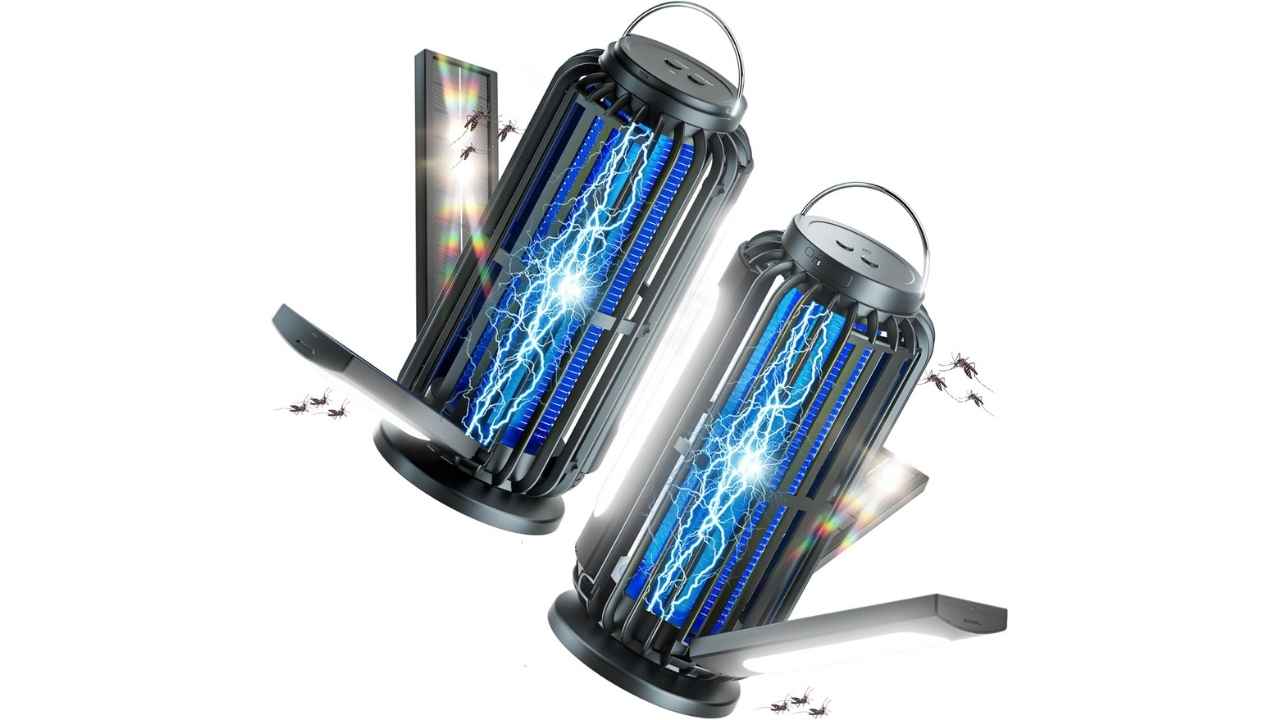 Outdoor essential TYPEC Solar Bug Zapper (36% off) Solar-powered bug zappers for patios and camping. |