



Protecting your privacy doesn’t require advanced tools or technical expertise. Some of the most effective protections are already built into your phone; you just need to know where to look.
These five privacy tips show you exactly how to reduce tracking and limit data sharing on both iPhone and Android using the latest software.

1) Reduce app permissions
Apps often request access to your camera, microphone, contacts, photos, and location, even when it’s not necessary. Limiting these permissions reduces background data collection.
iPhone
- Open Settings
- Tap Privacy & Security
- Select a permission type such as Microphone, Camera, Photos, or Contacts
- Toggle off access for apps that don’t need it
Android
Settings may vary depending on your Android phone’s manufacturer
- Open Settings
- Tap Security and Privacy
- Scroll down and tap More privacy settings or Privacy controls
- Tap Permission Manager
- Choose a permission category and set apps to Don’t allow or Allow only while using the app

2) Turn off location access you don’t need
Location tracking can reveal where you live, work, shop, and travel.
iPhone
- Open Settings
- Tap Privacy & Security
- Tap Location Services
- Select an app and choose While Using the App or Never
- Turn off Precise Location when exact coordinates aren’t needed
Android
Settings may vary depending on your Android phone’s manufacturer
- Open Settings
- Tap Location
- Tap App location permissions or App permissions
- Scroll through the list and tap the app you want to change
- Select Allow only while using the app or Don’t allow
3) Turn off photo sharing with apps
Some apps request full access to your photo library, giving them visibility into every image and video you’ve taken.
iPhone
- Open Settings
- Tap Privacy & Security
- Tap Photos
- Select an app and choose Selected Photos or None
Android
Watch the latest episode of The CyberGuy Report.

Missed this event? Sign up via the registration form and see our live recording.
See Kurt’s latest Amazon picks for useful gadgets, smart home upgrades and everyday tech worth grabbing while the deals last.
Settings may vary depending on your Android phone’s manufacturer
- Open Settings
- Tap Security and Privacy
- Scroll down and tap More privacy settings or Privacy controls
- Tap Permission Manager
- Tap Photos and videos
- Scroll through the list and tap the app you want to change
- Set apps to Don’t allow, or Allow limited access
4) Turn off app tracking
App tracking allows advertisers to follow your activity across multiple apps.
iPhone
- Open Settings
- Tap Privacy & Security
- Tap Tracking
- Turn off Allow Apps to Request to Track
Android
Settings may vary depending on your Android phone’s manufacturer
- Open Settings
- Tap Security & privacy
- Scroll down and tap More privacy settings
- Tap Ads
- Tap Delete advertising ID to remove the existing ID tied to your device
- Tap Reset advertising ID to generate a new, blank ID
This removes the identifier apps use to track you for targeted ads and replaces it with a fresh ID that isn’t linked to your previous activity.

5) Turn off unnecessary background app activity
Some apps continue running and collecting data even when you’re not actively using them.
iPhone
- Open Settings
- Tap General
- Tap Background App Refresh
- Turn it off entirely or disable it for individual apps
Android
Settings may vary depending on your Android phone’s manufacturer
- Open Settings
- Tap Apps
- Select an app
- Tap Battery
- Choose Restricted or turn off Allow background usage
Pro tip: Use a password manager
A password manager reduces the need to store logins inside apps, which can limit unnecessary permissions and data collection.
Next, see if your email has been exposed in past breaches. Our #1 pick, NordPass, includes a built-in breach scanner that checks whether your email address or passwords have appeared in known leaks. If you discover a match, immediately change any reused passwords and secure those accounts with new, unique credentials.
- Unlimited password storage
- Secure sharing
- Password health reports
- Auto-fill and emergency access
- Data breach monitoring to alert you if your credentials have been exposed
- A Security Dashboard with tools like the Data Breach Scanner and Password Health Checker to identify weak, reused, or compromised passwords
CyberGuy Exclusive Deal: Save 52% now with CyberGuy’s exclusive NordPass offer – Get 1 extra month FREE with a 2-year plan. Try 30 days risk-free for only $1.43 per month!
Related Links:
- How to know if your smartphone is listening to you
- Best portable phone chargers 2026
- Top Android phones of 2026
Kurt’s key takeaways
Protecting your privacy doesn’t have to be complicated. By reducing app permissions, limiting location access, controlling photo sharing, turning off app tracking, and restricting background activity, you can significantly reduce how much personal data your phone shares. A few simple setting changes can go a long way in protecting your digital life.
What privacy setting surprised you the most, or is there one you’re unsure about? Write to us in the comments below and tell us what you’d like help with next.
FOR MORE OF MY TECH TIPS & SECURITY ALERTS, SUBSCRIBE TO MY FREE CYBERGUY REPORT NEWSLETTER HERE
Copyright 2026 CyberGuy.com. All rights reserved. CyberGuy.com articles and content may contain affiliate links that earn a commission when purchases are made.
🎙 Now Streaming: My New Podcast: The CyberGuy Report
Kurt’s Top Deals
Deals move fast and inventory can be limited, so don’t wait too long.
| 🔥 Editor’s pick  Summer entertaining Ninja SLUSHi Machine (26% off) Frozen drinks and slushies at home in minutes. | |
| 💰 Top deal 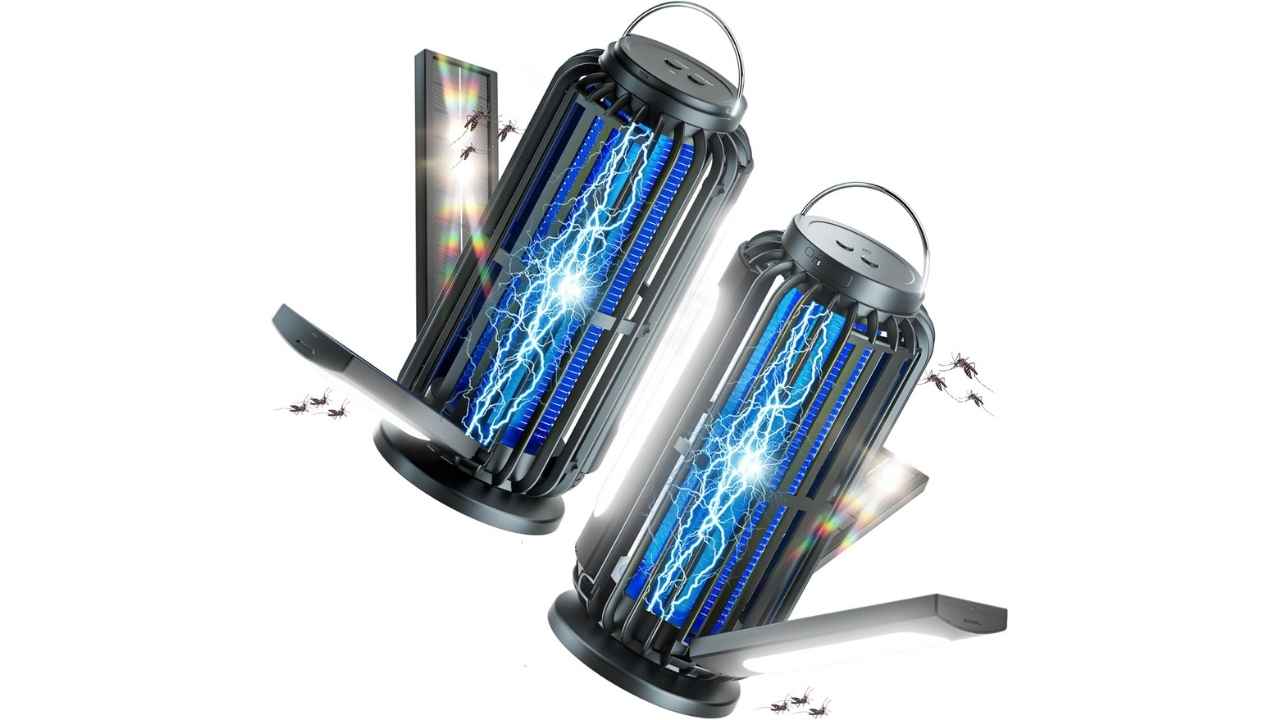 Outdoor essential TYPEC Solar Bug Zapper (36% off) Solar-powered bug zappers for patios and camping. |


1 comment
Thanks for the tips.
Now if I could just turn off the politicians badgering me about everything on my message app I’d be a happy camper. They’re ENDLESS messages EVERYDAY about some pain the neck issue!