


- If you think your computer was hacked, disconnect from the internet first and run your antivirus software directly.
- Browser pop-ups, strange extensions, redirects and unknown desktop icons can all point to a deeper malware problem.
- Turning off remote access and checking for unusual activity can help stop hackers from staying connected to your device.
- Strong backups, two-factor authentication and updated antivirus software give you better protection before trouble starts.
Have you ever had that sinking feeling that something’s not quite right with your computer? Maybe it’s running slower than usual, or there are new icons on your desktop that you don’t recognize. Well, you might not be just imagining things; you could have been hacked.
While the first reaction may be to panic, the best possible first step if you think you’ve been hacked is to disconnect your computer from the internet and take a deep breath. If you’ve got antivirus software already installed, run the scan immediately. But don’t worry just yet. Before you start fretting about cyber-thieves and lost data, let’s take a moment to walk through some crucial steps together. From running a trusty antivirus scan to the nitty-gritty of browser settings and remote access, this is your go-to guide for outsmarting those pesky hackers.
Table of Contents:
Were you hacked?
1. Run antivirus software ASAP
When you’re running any antivirus scans or troubleshooting, start from the actual antivirus software program. Don’t follow pop-ups or notifications. If there is indeed a compromise, it should show up on the dashboard of the antivirus software program.
Preventative:
- Keep your antivirus software updated – hackers are coming up with new viruses often so if you are up-to-date, you’re less likely to be compromised. Or the virus is more likely to get caught.
- Be familiar with your antivirus software notifications and alerts so if you ever get a pop-up or notification, you’ll be more apt to notice fake ones.
- Write down the contact information of the antivirus software you’ve installed and have it near the computer.
If you feel pretty confident that you’ve unfortunately been hacked, but your antivirus scan comes up empty, take a break and call the customer service of the antivirus software directly. Do not follow links to have a rep call you. Use the number you’ve written down, and call them directly so you know you’re not being duped.
If you don’t have antivirus software installed, make sure to install one and do a computer scan.
- Strong real-time protection against viruses, malware, ransomware and hacking attempts
- AI-powered scam protection to help identify suspicious emails, texts and websites
- Built-in password manager to securely store and manage logins
- 2 GB PC cloud backup to help protect important files from ransomware or hardware failure
- Smart firewall and phishing protection
- Protects 1, 3 or 5 devices
- Available for Windows, macOS, Android and iOS
- Includes real-time threat protection, smart firewall and phishing protection to guard against online attacks
2. Reformat or reset to factory settings
Sometimes a virus or other nefarious entities have overrun the computer so badly that you might need to simply reformat or reset it to factory settings. If you’ve uninstalled or deleted suspicious programs or applications only to have them reload upon restarting your computer, you may simply need to start from scratch. This is why it is crucial to have recent backups of your data. Our article, “How to securely get rid of your old PC or Mac” outlines how to reset to factory settings or reformat your computer.
3. Delete settings or extensions on browsers or uninstall and reinstall browsers completely
There have been many times I have gone to help my mom with her online accounts, only to be inundated with pop-ups, redirects, or random links on her browser bar or menu. It turned out that she had either accidentally downloaded extensions that embedded themselves in the browser or, worse, changed the browser setting to open a spammy website as her main search engine or landing page. You can go to settings or preferences and delete extensions you do not recognize. But if these settings or extensions keep reappearing after deleting and restarting the browser, it is likely a bigger problem. Then, uninstall the browser and see if you can reinstall it. If that brings up the same settings again, then it could be a much more invasive virus or malware that needs to be addressed with an antivirus scan or assistance from a professional.
4. Turn off or restrict remote access
While it is harder for hackers to access your computer if it is completely turned off, if you have allowed remote access, a hacker just needs your computer to be hooked up to a network or the internet in order to take over your device and turn it on.
To prevent remote access to your PC:
- Click the ‘Windows Start button’
- Input “Remote Desktop settings” in the search bar
- In the Remote Desktop settings, ensure that the slider under “Enable Remote Desktop” is set to Off
- Review your current processes in Task Manager (Ctrl+Alt+Del) for any unusual or suspicious activities
To prevent remote access on Macs:
- Click the ‘Apple logo’ icon on the top left corner
- Click ‘System Settings’
- Tap General
- Click the ‘Sharing’ icon
- Scroll down and uncheck the boxes next to Remote Login and Remote Management to prevent unauthorized remote access
5. Review your activity monitor on your computer and network traffic patterns
Periodically, checking your computer’s activity monitor to check which programs are running and what is using up the most bandwidth is a healthy practice. It will teach you to spot any programs or traffic that is unusual or if someone else is connecting to your computer remotely.
To review this activity on your PC:
- Go to ‘Control Panel’
- Click ‘Administrative Tools’
- In ‘Event viewer’, look for the events that are related to startup and shutdown. Any shutdown will be listed there and which program or user-initiated that startup or shutdown. This way you can see if these actions are that of a virus, or an update process
To review this activity on your Mac:
- Go to menu bar on the top left when you first log on to your account
- Select ‘Go’
- In the drop-down menu, select ‘Utilities’
- When a menu pops up, one of the first options should be ‘Activity Monitor’
Or
- Go to your ‘Applications‘ folder on your dock (usually located on the bottom or right-hand side of the screen)
- Go to ‘Utilities’ folder
- Select ‘Activity Monitor’
Or
- If the above steps don’t work, you can always open Finder and search for “Activity Monitor” – it should appear in your search results, and you can open from there.

Top 3 preventative measures to not get hacked
1. Turn on two-factor authentication
While it may seem like a pain to enter a code received via email or text each time you sign in, this extra step is crucial for security. By activating two-factor authentication, you create a barrier against unauthorized access. Even if a hacker discovers your email or username, they won’t get far without the unique code.
Each login attempt triggers a notification, alerting you to potential threats. Repeated failed attempts will secure your account by either locking it or sending you an alert. In the event of suspicious activity, you can swiftly use a trusted device to reset your password and inform the service provider. It’s a small price to pay for significant protection against cyber threats.
2. Have strong antivirus software
The best way to protect yourself from clicking on malicious links that install malware in an attempt to get access to your private information is to have antivirus protection installed on all your devices. This can also alert you to any phishing emails or ransomware scams. Plus, think of it like having a digital bodyguard—always on the lookout, always ready to defend you from cyber threats.
Our #1 pick: Norton Antivirus Plus
It helps protect iPhone, Android, Mac and PC devices with real-time protection, phishing protection, unsafe download blocking and a smart firewall.
Exclusive CyberGuy deal: Save 58%, $34.99 for year 1, protects 5 devices
Note: Norton may offer upsells during checkout, but we recommend declining the extras.
3. Configure your email settings
If you configure your email settings to not automatically load content such as images or attachments, then it is harder for viruses or other malware from being automatically downloaded or accidentally opened. If you also have emails received first in rich text format, you can choose which emails load fully with images once you realize it is from a trusted source.
Gmail desktop:
- Click the settings gear icon
- Choose “See all settings”
- Under the “General” tab, scroll to the “Images” section
- Select “Ask before displaying external images”
- Scroll to the bottom of the page and click “Save Changes”
Gmail mobile:
- Tap the hamburger menu (3 horizontal lines)
- Select Settings
- Choose the account you want to manage
- Scroll to the “Images” section and select “Ask before displaying external images”
Apple mail:
- Open the Mail app on your Mac.
- In the menu bar at the top of your screen, click on Mail, then select Settings.
- Click on the Privacy tab.
- To prevent remote content from loading automatically:
- Uncheck the box labeled “Protect Mail Activity”.
- Uncheck the box labeled “Hide IP Address”.
- Check the box labeled “Block All Remote Content”

Outlook desktop (PC):
- Click File
- Choose Options
- Select Trust Center
- Click Trust Center Settings
- Under “Automatic Download,” check the option that says “Don’t download pictures automatically in standard HTML email messages or RSS items”
Outlook desktop (Mac):
- Open Outlook
- Click Preferences
- Under “Email,” select “Reading”
- Choose “Security”
- Select “Never” to prevent image downloads
Yahoo Mail desktop:
- Click “Settings.”
- Choose “More Settings.”
- Click “Viewing email.”
- Under “Show images in messages,” select “Ask before showing external images.”
Start Mail desktop:
Please note that the exact wording of the menu items and options can vary based on the version of Start Mail you are using.
- Open Start Mail
- Click on the ‘Settings’ icon
- Navigate to the ‘Email’ section
- Look for the ‘Images’ or ‘Privacy’ settings
- Choose the option to ‘Ask before displaying external images’ or a similar setting that controls the automatic downloading of pictures
These steps should help enhance your email security by giving you control over which images are displayed, thereby reducing the risk of malware being automatically downloaded or opened. Always ensure your email application is updated to the latest version for the best security practices.
Looking for private and secure email solutions? See: Best Private and Secure Email Providers 2026
Data recovery: Protecting your information against loss
This may not seem relevant to an article about hacking, but having your data off your computer and safely on an external hard drive or the cloud will give you more options if you think you’ve been hacked. If you need help deciding what type of data backup would be best for you, please take a look at these articles:
If a hack gets bad enough, a full system wipe may be the safest way to save your computer. That can be frustrating, but a secure backup protects you from losing everything. Also, keep your most sensitive files off the computer you use every day when possible. That way, if hackers break in, they have less valuable data to steal.
Related links
- How To Recover A Hacked Facebook Account
- How To Outsmart Criminal Hackers By Locking Them Out Of Your Digital Accounts
- How Hackers Can Craft An Attack From Your Social Media Profile
Kurt’s key takeaways
At the end of the day, being hacked is a massive inconvenience and can potentially lead to data loss or theft. But don’t lose hope – there are steps you can take to outsmart those pesky hackers and keep your devices secure. The key is staying vigilant and taking preventative measures like using strong antivirus software, enabling two-factor authentication, and regularly backing up your data. That way, if you do get hacked, you’ll have a recent backup to rely on and can simply wipe your device clean without losing everything.
It’s also crucial to keep an eye out for any suspicious activity on your computer or network. If something seems off, don’t hesitate to run a full antivirus scan and review your activity monitor for any unauthorized access or programs running in the background. Remember, hackers are always coming up with new tricks, so it’s an ongoing battle to stay one step ahead. But by following the tips outlined here, you’ll be well on your way to keeping your digital life secure and hack-free. Stay vigilant, my friends.
Can you share a personal story where being proactive about computer security paid off or, conversely, where neglecting it led to issues? Let us know in the comments below.
FOR MORE OF MY SECURITY ALERTS, SUBSCRIBE TO MY FREE CYBERGUY REPORT NEWSLETTER HERE
Copyright 2026 CyberGuy.com. All rights reserved. CyberGuy.com articles and content may contain affiliate links that earn a commission when purchases are made.
🎙 Now Streaming: My New Podcast: The CyberGuy Report
Kurt’s Top Deals
Deals move fast and inventory can be limited, so don’t wait too long.
| 🔥 Editor’s pick  Summer entertaining Ninja SLUSHi Machine (26% off) Frozen drinks and slushies at home in minutes. | |
| 💰 Top deal 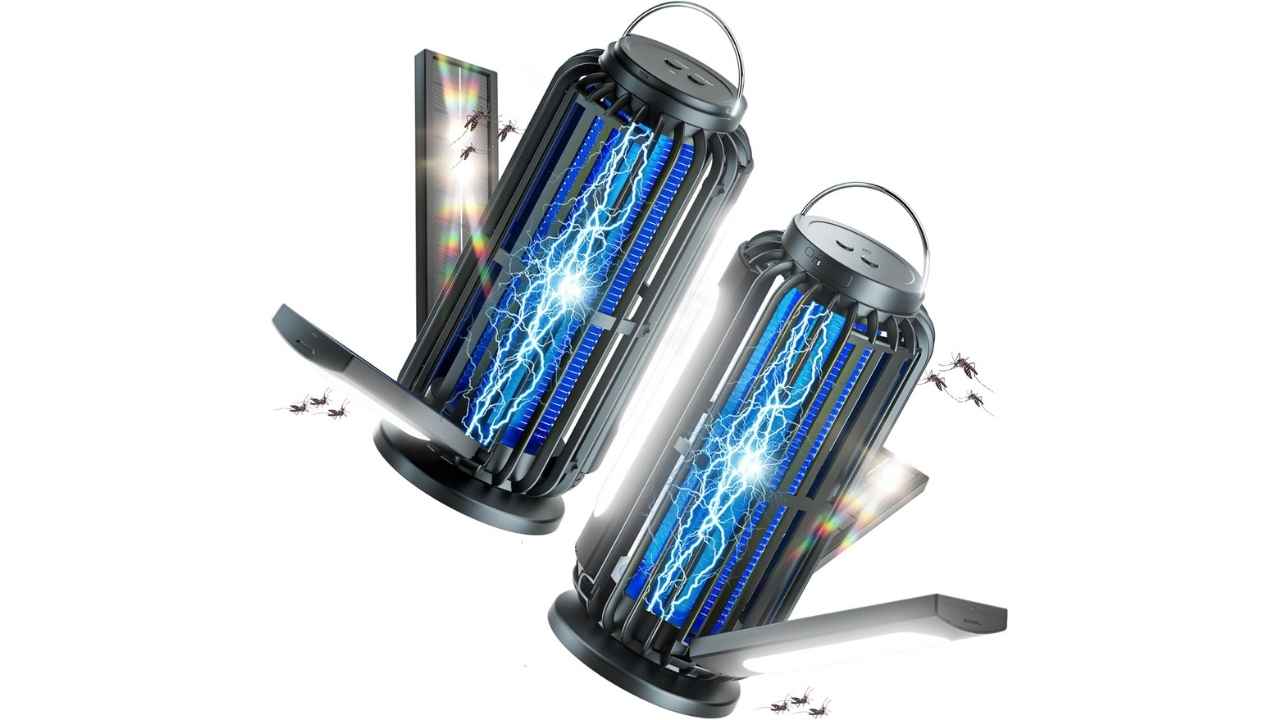 Outdoor essential TYPEC Solar Bug Zapper (36% off) Solar-powered bug zappers for patios and camping. |



1 comment
What a GREAT service you provide to all of us who are less knowlegable about computers, and various updates.
THANK YOU!!