



- Unexplained charges, unfamiliar withdrawals or strange bills can be early warning signs of identity theft.
- Unexpected debt collection calls, new credit cards or missing mail may indicate someone is using your identity.
- Fraud can also appear through fake tax filings, medical bills or wages reported under your Social Security number.
- Checking your credit report regularly and acting quickly can help limit damage if your identity is stolen.
Identity theft is not a joke. It’s a very real threat that is a growing problem in the U.S., with more than 1.1 million reports filed each year with the Federal Trade Commission. With the internet becoming more of an everyday necessity, thieves have more ways to steal our information, money, and identities. However, there are a few simple ways you can tell if someone is trying to steal your identity.
1. Unexplained charges on your credit card
This is the first thing I look for when I suspect my identity has been stolen. While thieves can use your identity to do worse things than maxing your credit card, the FBI lists it as one of the more common outcomes of identity theft. In fact, Credit card fraud remains one of the most commonly reported types of identity theft.
Many credit card companies, banks, and credit unions have alerts to let you know when your card has been used and for what. You’ll have to talk to your credit card provider for specific details on how to sign up, but an extra conversation isn’t that high of a price to pay for some peace of mind.

2. Unauthorized withdrawals from your bank account
Identity theft can really hurt your wallet. In fact, the FBI reports that scammers and identity thieves cost Americans more than $10 billion last year. You can help mitigate this all by keeping an eye on your bank account.
In many cases, scammers won’t go after large amounts of money from your account. Instead, they’ll take a bit here and there and hope you won’t notice. That’s why it’s so important to stay attentive. If you notice a weird withdrawal, report it to your bank. You may even need to freeze your account.
3. You start receiving debt collection calls
It’s 6 p.m., and you’re having dinner. All of a sudden, your phone goes off. It’s a debt collector looking for you to pay up for a bill you didn’t even know you had. Debt collector calls are terrifying, even when you know they’re coming. So, receiving one out of the blue for an item/service you did not purchase should set off alarm bells in your head.
Minnesota’s state attorney general has some great tips for handling these calls:
- Be careful about giving your personal information to debt collectors. It may actually be a scammer posing as a debt collector instead
- Ask for a written notice. Debt collectors are obligated under federal to provide a letter with the amount you owe, the name of the creditor, and other useful information
- You can also write a letter to the collection company disputing the debt
4. Not receiving mail or receiving someone else’s mail at your address
We all have gotten our neighbor’s mail or mail belonging to a previous tenant. But if you notice a lot of mail addressed to someone else at your address, that could be a sign your identity has been stolen.
Conversely, if you’re not receiving any mail, that could also be a sign of identity theft. Oftentimes, it can mean you’re a victim of change-of-address fraud. According to the Office of the Inspector General, change-of-address fraud has been increasing in recent years.
If you think you might be a victim of address fraud or identity theft involving your mail, you can use this form to notify the U.S. Postal Inspection Service, the law enforcement security division of the Postal Service.
Watch the latest episode of The CyberGuy Report.

Missed this event? Sign up via the registration form and see our live recording.
See Kurt’s latest Amazon picks for useful gadgets, smart home upgrades and everyday tech worth grabbing while the deals last.
5. Receiving statements for credit cards you don’t have
This one is a pretty clear indication that something’s wrong. You should not receive a statement for a card you never signed up for. While you likely won’t find out about a fraudulent card until you receive a bill, you should call the credit card company and explain that the account is fraudulent.
Be careful about who you’re giving your personal information to because it could lead to a scammer opening up a credit card in your name.

6. You’ve been told you already filed your taxes
Want to know what’s worse than filing your taxes? Going through countless hours of filing just to be told you already did it. When it comes to tax identity theft, a scammer will use your Social Security number and other information to file a tax return and hope the IRS processes the refund. You won’t find out until the fake return is filed.
Luckily, Jackson Hewitt, a reputable company that provides tax preparation and filing services, has tips on how to prevent tax identity theft:
- File your taxes as early as you can
- The IRS usually contacts taxpayers first by mail, not by unsolicited phone calls, texts or emails.
- The IRS offers an Identity Protection PIN number. You can sign up by filling out and mailing this form
The IRS might even alert you that you’re a victim of tax fraud.
7. Receiving an unexpected medical bill
When it comes to medical identity theft, scammers could be using your identity to illegally get medical services or prescriptions to either use or sell. And you might be the one paying for it.
You should monitor your health records, and if you see anything unusual, alert your healthcare provider. Protecting your insurance card like it’s your credit card would also be a good move here.
8. Police approach you about a crime you did not commit
Criminals will use your identity to protect their own. And instead of facing the law, they make you do it for them instead. It can result in thousands of dollars in fees, a criminal record, and other legal problems.
If you believe you are a victim of criminal identity theft, you need to contact both the arresting agency and your local law enforcement. You may need to take fingerprints or verify your identity with the arresting agency to prove that your identity was stolen.
This form of identity theft isn’t all too common. However, it can have some serious consequences.
9. The IRS asks you to verify wages you didn’t earn
Employment identity fraud is when someone uses your identity to obtain employment status for themself. Thieves don’t need much to do this, just your name and social security number.
Their wages would then get reported to the IRS under your name, meaning you’d be on the hook for more taxes and would likely be audited.
Equifax recommends you contact the Federal Trade Commission at IdentityTheft.gov or by calling 877-438-4338. They’ll create a recovery plan for you. You should also contact the IRS and Social Security Administration.
10. Noticing unusual activity on your credit report
You can always check your credit score for any unusual or suspicious activity. This will also allow you to find out if a thief is opening accounts under your name and more. Equifax, Experian, and TransUnion all provide a yearly report. You can also go to AnnualCreditReport.com and request your credit report.

I’ve been scammed. What to do next.
Below are some next steps if you find you or your loved one is a victim of identity theft.
Set yourself up for success
1. If you can regain control of your accounts, change your passwords and inform the account provider.
2. Look through bank statements and checking account transactions to see where outlier activity started.
3. Use an identity theft protection service: Identity Theft companies can monitor personal information like your Social Security Number (SSN), phone number, and email address and alert you if it is being sold on the dark web or being used to open an account. They can also assist you in freezing your bank and credit card accounts to prevent further unauthorized use by criminals.
Exclusive CyberGuy deal: Save up to 68% today: Get Aura’s award-winning identity theft protection and credit monitoring for as low as $9/month when billed annually.
Report the theft
1. Report any breaches to official government agencies like the Federal Communications Commission.
2. You may wish to get the professional advice of a lawyer before speaking to law enforcement, especially when you are dealing with criminal identity theft, or Incogni, a service I trust 100% and use myself, helps automate the process by submitting removal requests to hundreds of data brokers and people-search sites on your behalf. Incogni automatically contacts data brokers on your behalf and requests the removal of your personal information. It also continues monitoring those sites and submits new removal requests if your data reappears. CyberGuy readers get 60% off Incogni’s annual plans using the links in this article. The service also includes a 30-day money-back guarantee, so you can try it risk-free and see how much of your information is exposed online.
3. Alert all three major credit bureaus and possibly place a fraud alert on your credit report.
4. Run your own background check or request a copy of one if that is how you discovered your information has been used by a criminal.
5. Invest in personal data removal services: Removing yourself from the internet is an important step in protecting your personal information from scammers and cybercriminals. By limiting your online presence, you reduce the chances of scammers finding and exploiting your personal details. Additionally, deleting yourself from the internet ensures that scammers cannot access your personal information to call you or make you believe they have some of your credentials, making their scams seem legitimate.
While no service promises to remove all your data from the internet, having a removal service is great if you want to constantly monitor and automate the process of removing your information from hundreds of sites continuously over a longer period of time.
Incogni, a service I trust 100% and use myself, helps automate the process by submitting removal requests to hundreds of data brokers and people-search sites on your behalf.
Incogni automatically contacts data brokers on your behalf and requests the removal of your personal information. It also continues monitoring those sites and submits new removal requests if your data reappears.
- Incogni currently removes personal data from 420+ data broker and people-search websites, and its Unlimited plan allows you to request removals from as many additional sites as you need.
- Incogni has also received third-party assurance from Deloitte, validating its marketing claims.
- The goal is simple: make it much harder for strangers, scammers, and cybercriminals to find your personal information online.
CyberGuy readers get 60% off Incogni’s annual plans using the links in this article.
The service also includes a 30-day money-back guarantee, so you can try it risk-free and see how much of your information is exposed online.
Is your personal information exposed online?
Run a free scan to see if your personal info is compromised. Results arrive by email in about an hour.
If you are a victim of identity theft, the most important thing to do is to take immediate action to mitigate the damage and prevent further harm.
Related Links:
- Tax scams through the years and what to know this year
- Apple app password scam email warning
- Why widows and divorced women are targets for retirement scams
Kurt’s key takeaways
Identity theft is not something to take lightly. It can have long-lasting and devastating consequences for your personal and financial well-being. That’s why it’s important to be vigilant and proactive in safeguarding your identity. Remember, your identity is your most valuable asset. Don’t let anyone take it away from you.
Have you ever experienced identity theft or know someone who has? How did it affect you or them? What steps did you take to resolve the issue and prevent it from happening again? Share your stories and insights with us in the comments section below.
TO GET MORE OF MY SECURITY ALERTS, SUBSCRIBE TO MY FREE CYBERGUY REPORT NEWSLETTER
Copyright 2026 CyberGuy.com. All rights reserved. CyberGuy.com articles and content may contain affiliate links that earn a commission when purchases are made.
🎙 Now Streaming: My New Podcast: The CyberGuy Report
Kurt’s Top Deals
Deals move fast and inventory can be limited, so don’t wait too long.
| 🔥 Editor’s pick  Summer entertaining Ninja SLUSHi Machine (26% off) Frozen drinks and slushies at home in minutes. | |
| 💰 Top deal 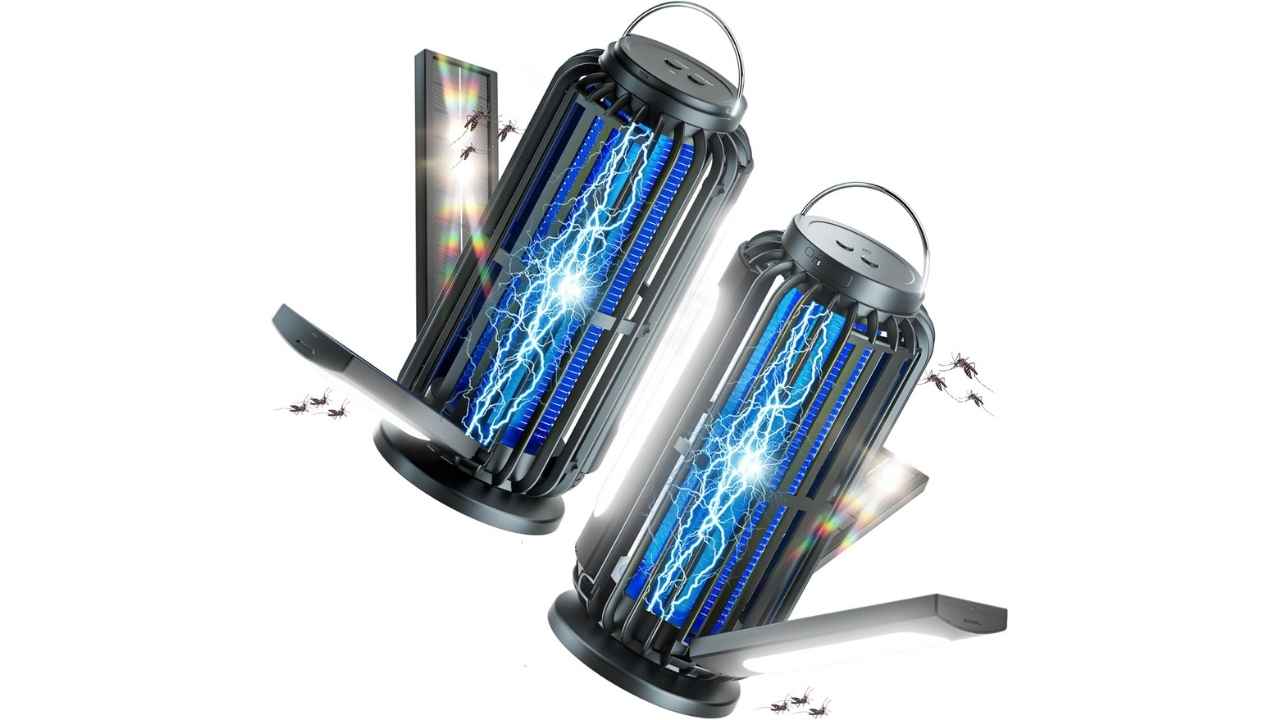 Outdoor essential TYPEC Solar Bug Zapper (36% off) Solar-powered bug zappers for patios and camping. |


