



We want to warn you about a scam you might encounter on your iPhone. While browsing, you might suddenly see a warning message claiming that your device has a virus. These pop-ups are scams meant to deceive you into thinking your iPhone has been compromised. Fake Apple virus warnings, security alerts, and messages are all tactics used to prompt you to call a number or click on a malicious link. Bonnie from El Paso, TX, reached out to share that she experienced the same issue.
I’ve received two pop-ups on my iPhone 8 Plus in the past couple of days. Says my iPhone has been hacked, gives the option to hit ok. I just shut my phone down. How can I avoid this? I’m guessing it’s another of the MANY scams???
To protect yourself from these scams and ensure your iPhone remains secure, it’s essential to understand how these fake alerts work and what steps you can take to prevent them.

Breaking down the security alert scam
The scam typically appears as a pop-up message saying something like, “Apple Security Warning on iPhone, Virus Detected.” Though it may look convincing, this is a scam. In reality, there is no such thing as a legitimate Apple security alert on an iPhone or iPad.
It’s also important to note that these fraudulent pop-ups aren’t exclusive to your iPhone – they can appear while you’re browsing the web as well. For example, you might come across a McAfee antivirus popup on your computer, falsely claiming that your device is infected and that your McAfee subscription has expired.

BEST ANTIVIRUS FOR MAC, PC, IPHONES AND ANDROIDS – CYBERGUY PICKS
How to get rid of fake virus warnings
Some scam alerts may display a deceptive X or Close option that appears to be a close button but actually redirects you to a phishing site. To safely remove these fake warnings, follow these steps instead:
- Do NOT click on the pop-up. Instead, tap the tab icon in the lower right of the screen.
- Tap the X button on the tab or swipe up to close out of it.
- Open the Settings app.
- Toggle on Airplane Mode. This temporarily severs your phone’s internet connection, allowing you to reset Safari while preventing unauthorized access to your iPhone.
- Scroll down and tap Safari.
- Tap Clear History and Website Data.
- While in Safari settings, toggle on Fraudulent Website Warning and Block Pop-ups.
- Tap on Settings in the upper-left corner.
- Toggle Airplane Mode back off.
You can now reopen Safari; if you didn’t interact with the fake virus warning, your iPhone should be fine, and the scams should no longer appear.

MY IPHONE SAYS I HAVE 14 VIRUSES. WHAT SHOULD I DO NEXT?
How to stay protected
Here are some steps you can take to avoid these scams and protect your device.
1) Don’t interact with the pop-up: If you see a pop-up like this, do not click “OK” or any other buttons. Instead, close the tab or the app where the pop-up appeared.
How one convincing SSA scam nearly tricked a reader, and the five red flags to check before you click.
Saturday, June 13 at 10 AM ET.
See Kurt’s 2026 picks for every kind of dad.
[Ep. 34] Is that Social Security email in your inbox real?
```2) Enable pop-up blockers: Go to Settings > Apps > Safari and make sure Block Pop-ups is turned on. This will help prevent these types of pop-ups from appearing in the future.
3) Update your iPhone’s software: Ensure your iPhone is running the latest version of iOS. Updates often include security patches that protect against new threats. Go to Settings > General > Software Update to check for updates.
4) Avoid clicking on suspicious links and install strong antivirus software: Be cautious about clicking on links in emails, text messages, or websites that seem suspicious or come from unknown sources. The best way to safeguard yourself from malicious links that install malware, potentially accessing your private information, is to have antivirus software installed on all your devices. This protection can also alert you to phishing emails and ransomware scams, keeping your personal information and digital assets safe.
- Strong real-time protection against viruses, malware, ransomware and hacking attempts
- AI-powered scam protection to help identify suspicious emails, texts and websites
- Built-in password manager to securely store and manage logins
- 2 GB PC cloud backup to help protect important files from ransomware or hardware failure
- Smart firewall and phishing protection
- Protection for 1 or 5 devices
- Protects 1 or 5 devices
- Available for Windows, macOS, Android and iOS
- Includes real-time threat protection, smart firewall and phishing protection to guard against online attacks
5) Enable fraudulent website warning: In Settings > Safari, make sure Fraudulent Website Warning is turned on. This feature helps protect you from visiting known malicious websites.
6) Use a personal data removal service: Consider using a personal data removal service to reduce your exposure to scams and phishing attempts. These services help delete your information from data aggregator sites, making it harder for scammers to target you. By removing your personal data from the internet, you can significantly reduce the risk of being targeted by malicious actors.
While no service promises to remove all your data from the internet, having a personal data removal service is great if you want to constantly monitor and automate the process of removing your information from hundreds of sites continuously over a longer period of time.
Incogni, a service I trust 100% and use myself, helps automate the process by submitting removal requests to hundreds of data brokers and people-search sites on your behalf.
Incogni automatically contacts data brokers on your behalf and requests the removal of your personal information. It also continues monitoring those sites and submits new removal requests if your data reappears.
- Incogni currently removes personal data from 420+ data broker and people-search websites, and its Unlimited plan allows you to request removals from as many additional sites as you need.
- Incogni has also received third-party assurance from Deloitte, validating its marketing claims.
- The goal is simple: make it much harder for strangers, scammers, and cybercriminals to find your personal information online.
CyberGuy readers get 60% off Incogni’s annual plans using the links in this article.
The service also includes a 30-day money-back guarantee, so you can try it risk-free and see how much of your information is exposed online.
Is your personal information exposed online?
Run a free scan to see if your personal info is compromised. Results arrive by email in about an hour.
WINDOWS DEFENDER SECURITY CENTER SCAM: HOW TO PROTECT YOUR COMPUTER FROM FAKE POP-UPS
Kurt’s key takeaways
In the end, protecting your iPhone from fake virus warnings is all about being aware of these scams and taking a few simple precautions. By following the steps we’ve outlined and keeping your device updated, you can significantly reduce your risk of falling victim to these tactics. Stay safe, and remember: if something looks suspicious, it’s always better to err on the side of caution.
Do you think Apple does enough to protect users from scams and fake virus warnings? Let us know in the comments below.
TO GET MORE OF MY SECURITY ALERTS, SUBSCRIBE TO MY FREE CYBERGUY REPORT NEWSLETTER
Copyright 2025 CyberGuy.com. All rights reserved. CyberGuy.com articles and content may contain affiliate links that earn a commission when purchases are made.
🎙 Now Streaming: My New Podcast: The CyberGuy Report
Kurt’s Top Deals
Deals move fast and inventory can be limited, so don’t wait too long.
| 🔥 Editor’s pick  Summer entertaining Ninja SLUSHi Machine (26% off) Frozen drinks and slushies at home in minutes. | |
| 💰 Top deal 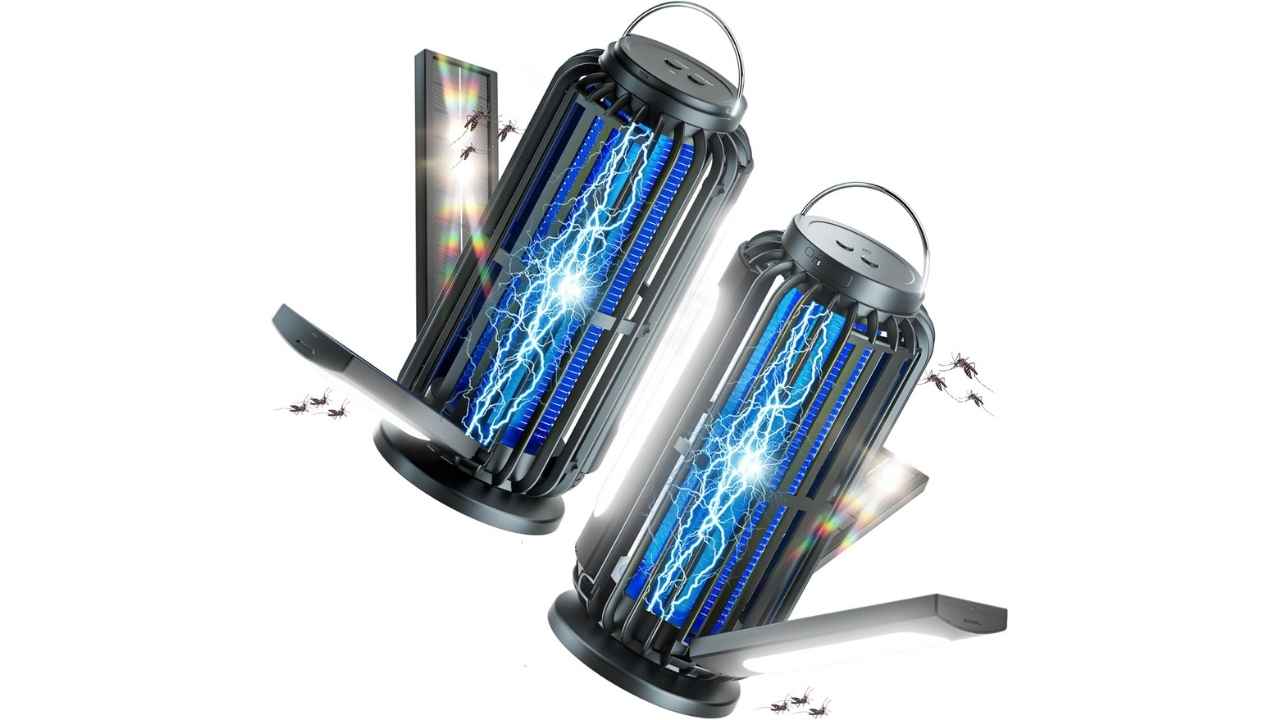 Outdoor essential TYPEC Solar Bug Zapper (36% off) Solar-powered bug zappers for patios and camping. |


