



Kicking a ball or climbing stairs with ease after a leg amputation above the knee is now within reach. Researchers at MIT have developed a bionic knee that redefines mobility for above-the-knee amputees. Unlike traditional socket-based prosthetics, this system anchors directly to the bone and integrates with the surrounding muscle tissue. The result is faster, smoother, and more natural movement.
Led by Professor Hugh Herr, the MIT team created a solution that doesn’t just mimic motion, it responds to intent. This level of control allows the prosthesis to move in sync with the body, delivering a seamless experience that challenges the very definition of artificial limbs.

Credit: MIT
How the e-OPRA bionic knee for amputees works
The tech is called e-OPRA (Enhanced Osseointegrated Prostheses for the Rehabilitation of Amputees). It involves surgically implanting a titanium rod into the femur, which connects directly to a robotic prosthetic limb. This rod becomes the foundation of a new kind of interface between the body and machine. But it doesn’t stop there.
Using a specialized surgical technique known as Agonist-Antagonist Myoneural Interface (AMI), muscles are reconnected in functional pairs. These muscles “talk” to each other, sending signals to the robotic controller, which calculates exactly how the knee should move, mirroring how a real leg works.
Natural movement restored with the bionic knee for amputees
In trials, two patients with this integrated system not only performed better, but they also felt better. They moved faster, climbed stairs with more ease, and avoided obstacles with greater confidence. Most importantly, they felt like the prosthetic was part of their body.
One participant with only a few inches of thigh remaining could walk, pivot, and even kick a ball smoothly. This kind of intuitive, natural movement is a game-changer for above-the-knee amputees.

Credit: MIT
Why the bionic knee for amputees is a major breakthrough
Traditional socket-based prosthetics can be uncomfortable, unstable, and prone to infections. They often feel foreign, like a tool strapped to the body rather than a part of it. The bionic knee bypasses the socket altogether. By connecting directly to bone and muscle, it improves load-bearing, reduces skin problems, and most importantly, restores a sense of control. And control isn’t just physical, it’s emotional and psychological. Patients using the e-OPRA system reported a greater sense of agency and body ownership than those with traditional or partially-integrated prosthetics.
MIT’s bionic knee for amputees driven by lived experience
Professor Hugh Herr isn’t just leading the research; he’s living it. After losing both legs below the knee to frostbite in his teens, he returned to mountain climbing and dedicated his career to advancing prosthetic technology. His personal journey powers a lab at MIT that continues to push the boundaries of biomechatronics. And now, that journey may change the lives of above-the-knee amputees worldwide.

Credit: MIT
When the bionic knee for amputees will be available
While the results are groundbreaking, the e-OPRA system isn’t on the market yet. Larger clinical trials and FDA approval are still ahead. Herr estimates that within five years, this technology could become more accessible to patients.
Watch the latest episode of The CyberGuy Report.

Missed this event? Sign up via the registration form and see our live recording.
See Kurt’s latest Amazon picks for useful gadgets, smart home upgrades and everyday tech worth grabbing while the deals last.
Related Links:
- Mind-controlled prosthetic arms are now becoming a reality
- Soft robotic prosthetic hand uses nerve signals for more natural control
- New prosthetics restore natural movement via nerve connection
Kurt’s key takeaways
We’re witnessing the future of prosthetics unfold. The bionic knee developed by MIT doesn’t just restore function, it redefines it. By merging advanced robotics with the human nervous system, it offers amputees something priceless: the feeling that their body is whole again.
What role do you think technology should play in redefining the limits of the human body? Let us know in the comments below.
FOR MORE OF MY TECH TIPS & SECURITY ALERTS, SUBSCRIBE TO MY FREE CYBERGUY REPORT NEWSLETTER HERE
Copyright 2025 CyberGuy.com. All rights reserved. CyberGuy.com articles and content may contain affiliate links that earn a commission when purchases are made.
🎙 Now Streaming: My New Podcast: The CyberGuy Report
Kurt’s Top Deals
Deals move fast and inventory can be limited, so don’t wait too long.
| 🔥 Editor’s pick  Summer entertaining Ninja SLUSHi Machine (26% off) Frozen drinks and slushies at home in minutes. | |
| 💰 Top deal 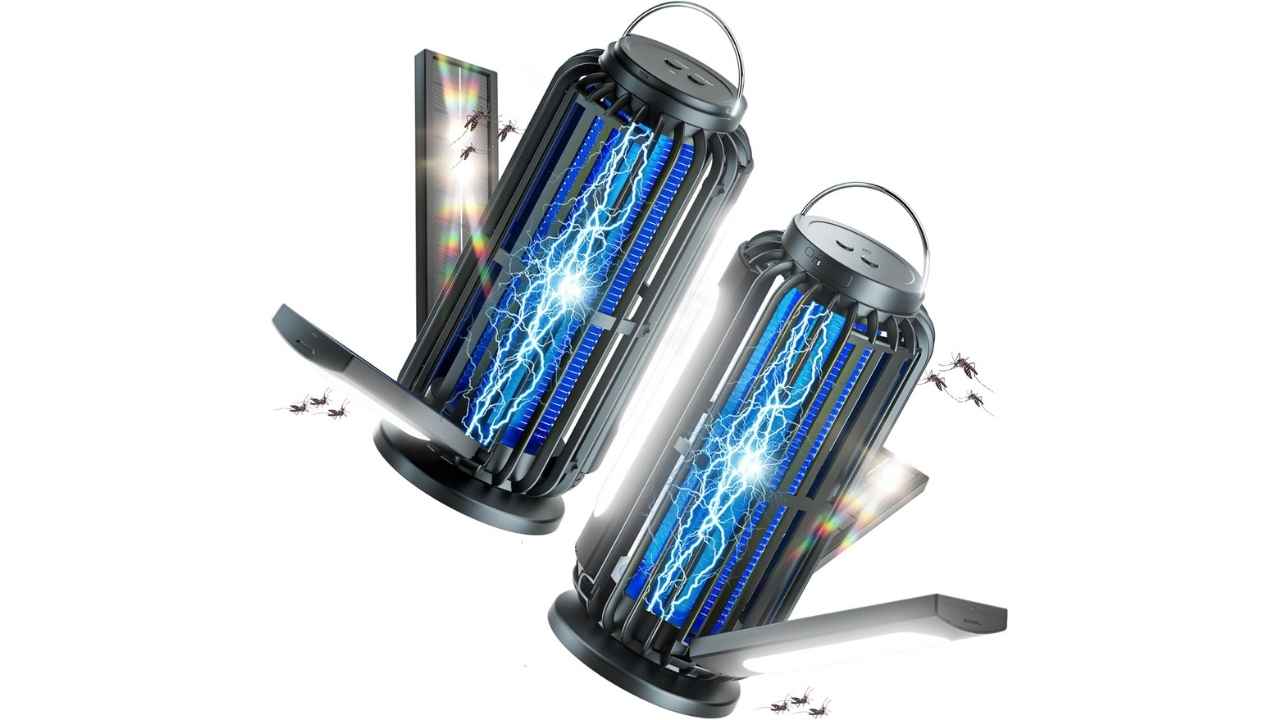 Outdoor essential TYPEC Solar Bug Zapper (36% off) Solar-powered bug zappers for patios and camping. |


