



Managing diabetes already brings stress from medications and long-term health risks. Regular glucose checks only add to the weight. Most people test with finger pricks or wear a patch that needs a sensor under the skin. If you dislike needles, this part can feel like the hardest task of the day.
Researchers at MIT are working on a new option. They developed a device that shines near infrared light on your skin and reads your blood sugar without breaking the surface. It works through Raman spectroscopy, a method that looks at how light scatters when it hits molecules in your tissue.

How the light-based scanner works
The current setup is about the size of a shoebox. You rest your arm on top for a 30-second scan. A small beam shines through a glass window onto your skin. The light returns with tiny shifts in wavelength that reveal what molecules are present.
Earlier Raman systems pulled in about 1,000 spectral bands with plenty of noise. The MIT team discovered that they only need three bands to calculate glucose levels. With fewer signals to process, the device becomes smaller, faster and more affordable. This boost also improves speed since the system no longer sorts through redundant data.
In a four-hour study, a volunteer drank two glucose drinks while researchers took readings every five minutes. The new scanner matched the accuracy of two commercial glucometers the participant wore. That result surprised the team since the device is still in early development.
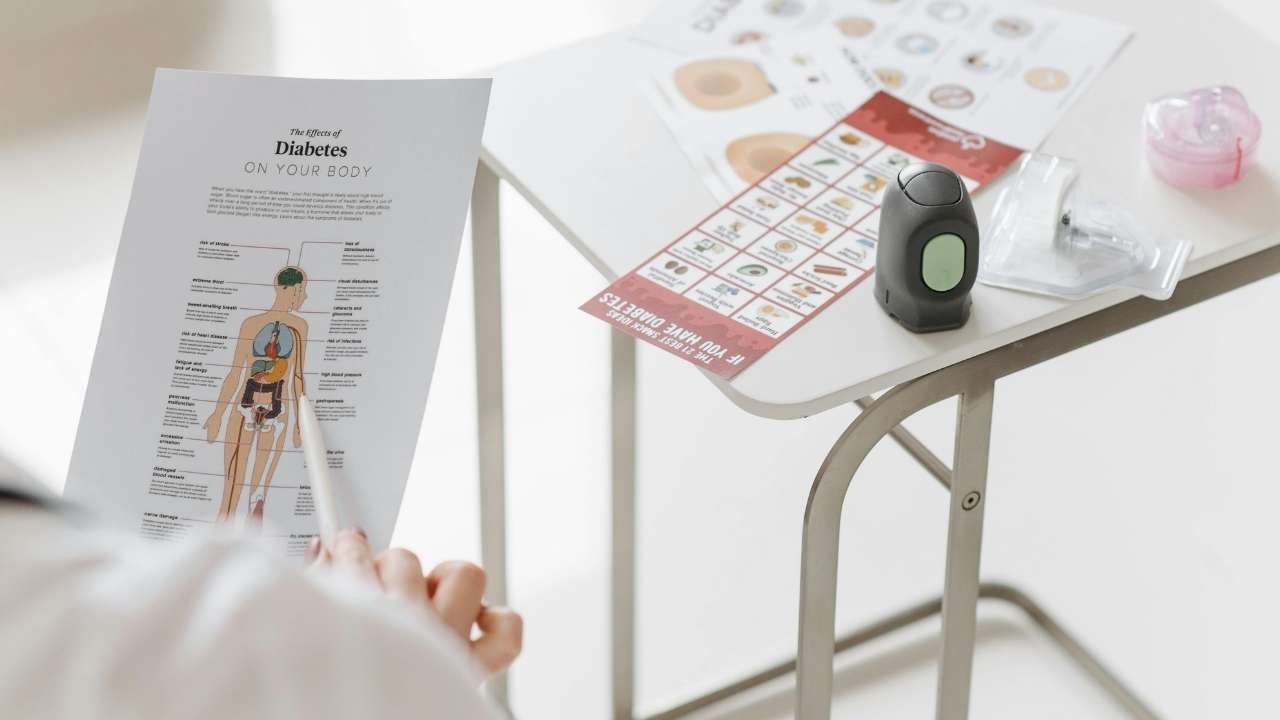
Progress toward a wearable
After perfecting the shoebox version, MIT engineers built a prototype the size of a cellphone. That unit is now in clinical testing with healthy and prediabetic volunteers. A larger trial with people who have diabetes is expected next year.
The long-term goal is even more exciting. Researchers believe they can shrink the hardware to a watch size. They also want to confirm that the system reads accurately across many skin tones. If these steps succeed, a wrist-based glucose monitor could be possible.

How this compares to other needle-free attempts
This light-based method joins other ideas that try to move past needles. A recent chest strap used ECG signals to predict glucose levels. It looked promising, but it still needs time before it reaches consumers. Interest in noninvasive monitoring keeps growing since so many people want relief from the pain of repeated skin punctures or adhesive patches.
However, it is still unclear whether this light-based scanner reflects real-time blood glucose or glucose found in interstitial fluid, which is what today’s CGMs measure. Larger clinical trials in people with diabetes will be needed to confirm whether the technology avoids the timing delays seen with current wearable monitors.
What this means to you
If you or someone you love manages diabetes, fewer needle sticks could change your routine. A quick scan may replace the stress of drawing blood or inserting a sensor. The accuracy seen in early testing shows that noninvasive tools are not a distant dream. They could help you catch swings in your levels faster and bring more comfort to a daily task that often feels overwhelming.
Watch the latest episode of The CyberGuy Report.

Missed this event? Sign up via the registration form and see our live recording.
See Kurt’s latest Amazon picks for useful gadgets, smart home upgrades and everyday tech worth grabbing while the deals last.
Related Links:
- AI brain scan tool predicts how fast you are aging
- Swallow this pill to learn about your gut and health
- Teen’s medical invention saves lives in seconds
Kurt’s key takeaways
A handheld or watch-sized glucose scanner would mark a major shift in diabetes care. MIT’s work brings that future closer with a design that reads your chemistry through light. The next few clinical trials will show how well it performs in real conditions.
What feature would matter most to you in a needle-free glucose monitor? Let us know in the comments below.
FOR MORE OF MY TECH TIPS & SECURITY ALERTS, SUBSCRIBE TO MY FREE CYBERGUY REPORT NEWSLETTER HERE
Copyright 2025 CyberGuy.com. All rights reserved. CyberGuy.com articles and content may contain affiliate links that earn a commission when purchases are made.
🎙 Now Streaming: My New Podcast: The CyberGuy Report
Kurt’s Top Deals
Deals move fast and inventory can be limited, so don’t wait too long.
| 🔥 Editor’s pick  Summer entertaining Ninja SLUSHi Machine (26% off) Frozen drinks and slushies at home in minutes. | |
| 💰 Top deal 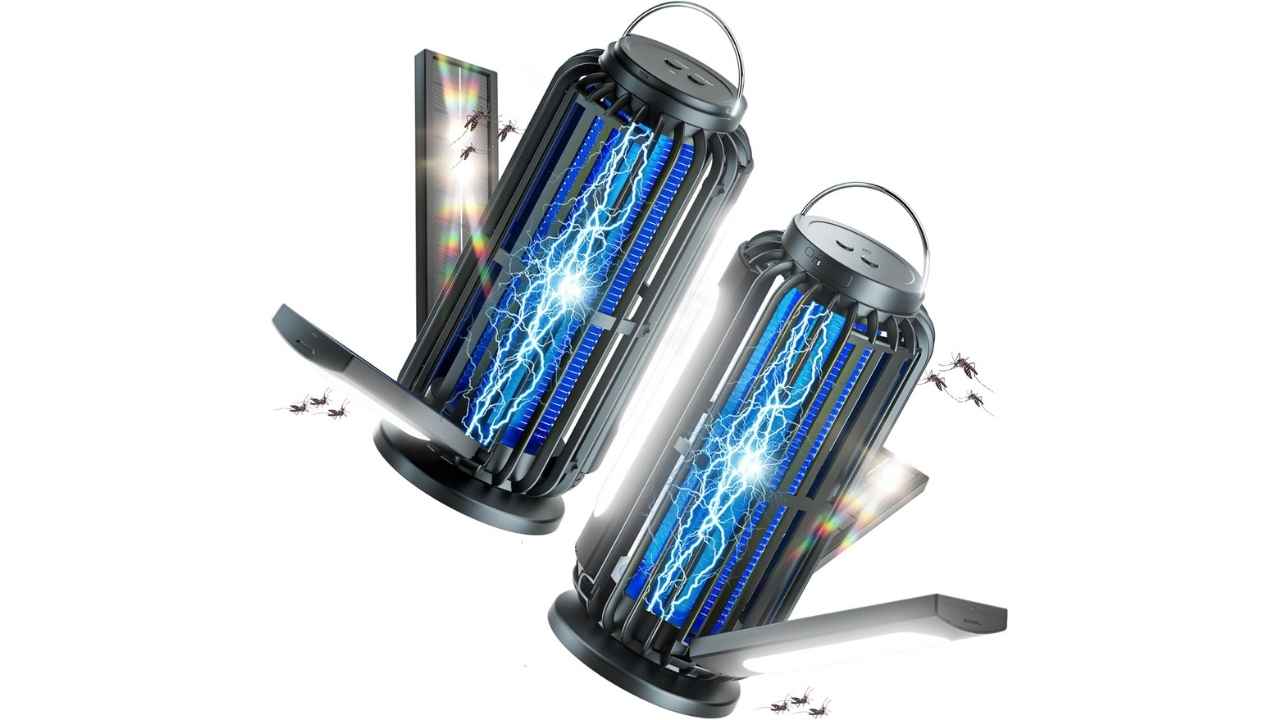 Outdoor essential TYPEC Solar Bug Zapper (36% off) Solar-powered bug zappers for patios and camping. |


1 comment
The needle in current CGM’s is very small. Inserted pain free every 2 weeks. Fairly low cost. Eliminating “needles is overhyped in commercials and media. Not sure if the described technology is much of an improvement.