



Imagine creating electricity not from sun or wind, but from the meeting of salt and fresh water. Today, that vision has become real in Japan as the country’s first osmotic power plant begins operating.

Credit: Fukuoka Area Waterworks
What is osmotic power energy?
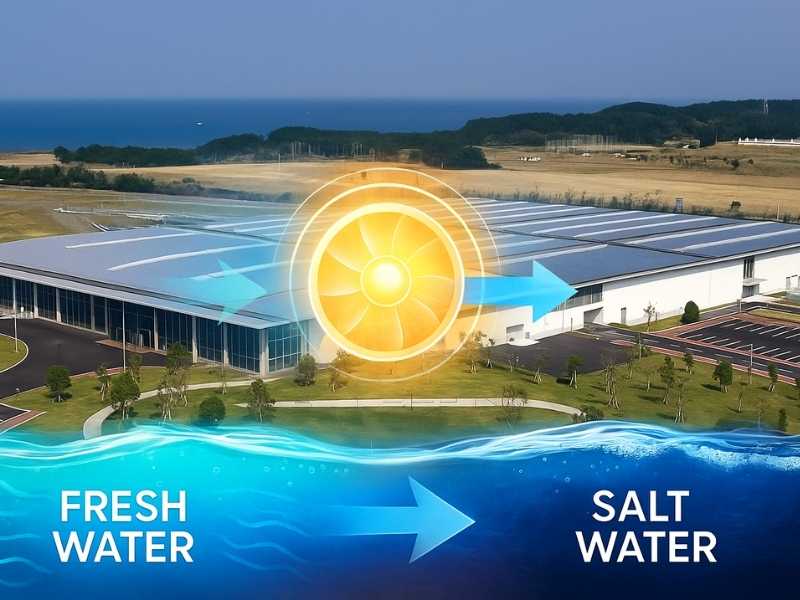
Osmotic power, also called salinity gradient power, taps into a natural process. When fresh water and salt water are separated by a semipermeable membrane, water flows across to balance the difference. That movement builds pressure strong enough to spin a turbine and create electricity.
Unlike solar or wind, osmotic power runs day and night. It is not affected by weather or sunlight, making it a promising renewable option.
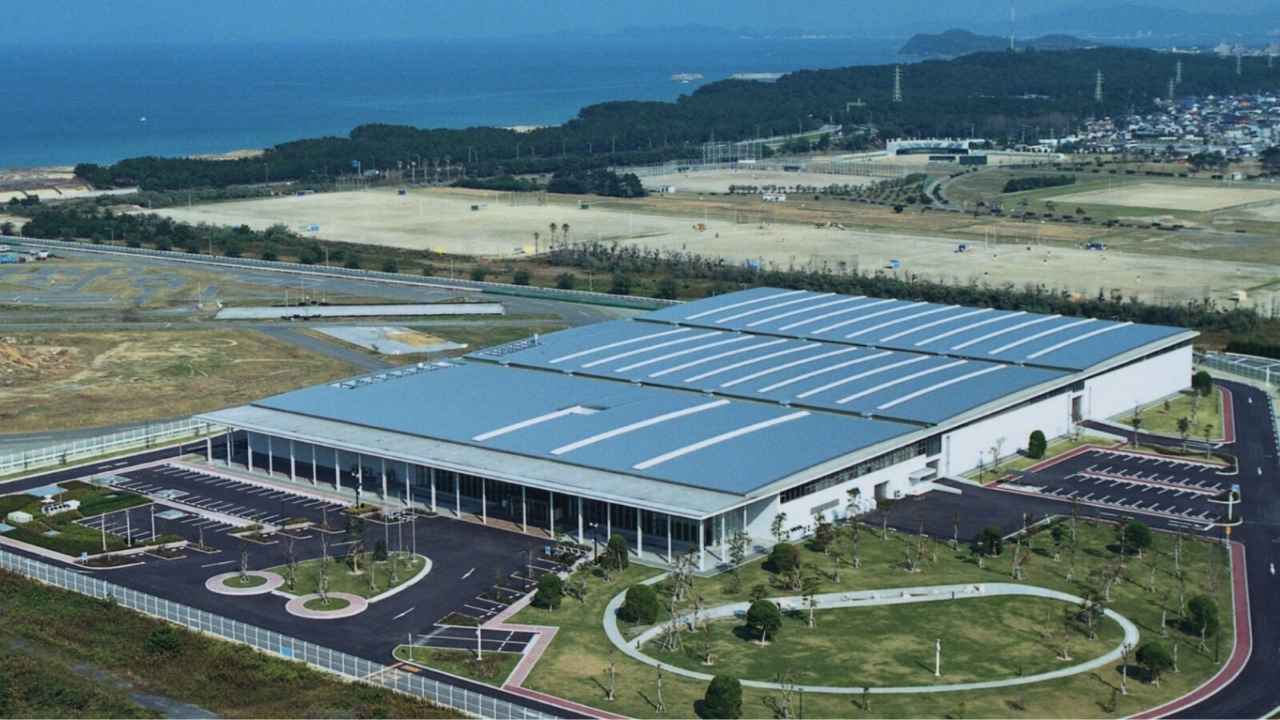
Credit: Fukuoka Area Waterworks
How Japan’s osmotic power plant works
Japan’s first osmotic power plant opened in Fukuoka in early August. It is only the second of its kind in the world, after a facility in Denmark launched in 2023.
Here’s how it works:
- Seawater from the desalination process is concentrated into brine.
- Treated water from a sewage facility flows in on the other side of a membrane.
- The difference in salt concentration creates strong water pressure.
- That pressure spins a turbine, which powers a generator.
The plant is expected to produce 880,000 kilowatt-hours annually, enough to supply power to a desalination facility or about 220 households.
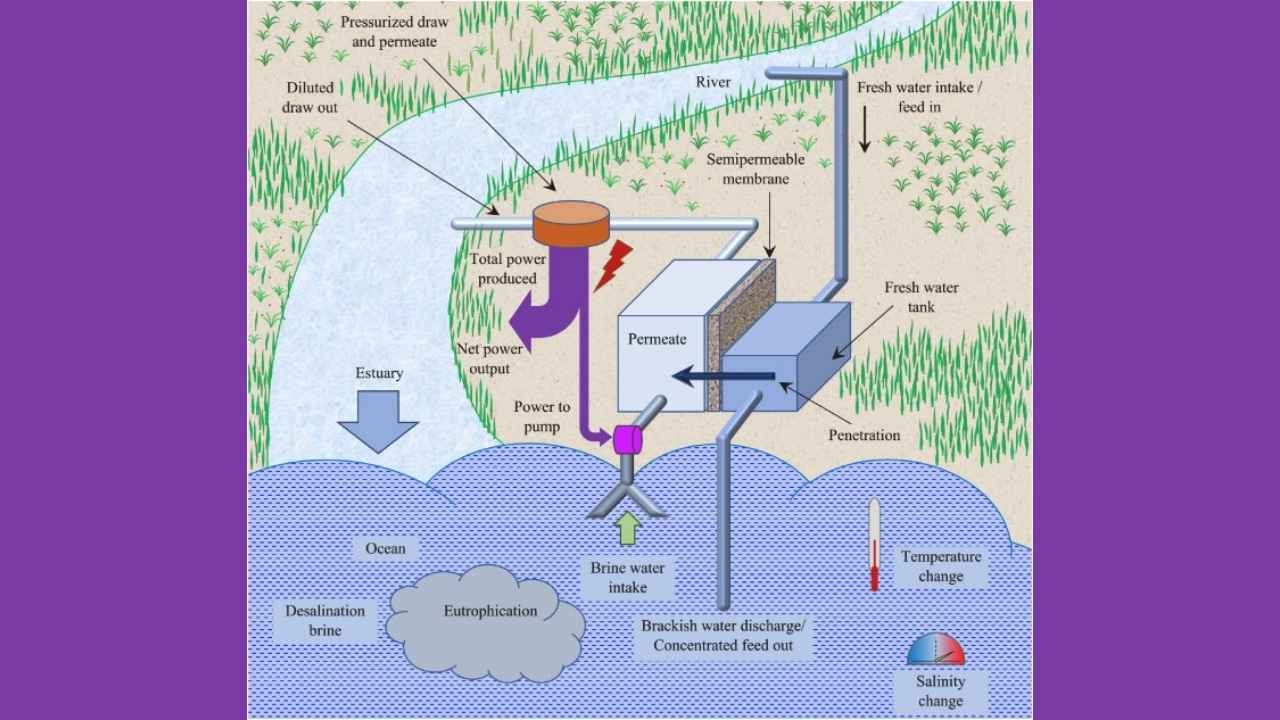
Credit: Science Direct
Why osmotic power matters for renewable energy
This development marks a big step forward for renewable energy. Osmotic power does not release carbon dioxide. It can run continuously and integrates with existing infrastructure, such as desalination plants. By turning waste brine into an energy source, Japan is proving that clean power can come from overlooked resources.
What osmotic power could mean for you?
While osmotic power may sound far away, its potential is huge. Imagine cities with coastal access or desalination plants using this process to create steady, clean electricity. As costs drop and membranes improve, more regions could adopt osmotic power alongside solar, wind, and hydropower. That mix of reliable energy sources benefits everyone by creating more stable and sustainable power grids.
Watch the latest episode of The CyberGuy Report.

Missed this event? Sign up via the registration form and see our live recording.
See Kurt’s latest Amazon picks for useful gadgets, smart home upgrades and everyday tech worth grabbing while the deals last.
Related Links:
- Google turns CO2 into battery power for clean energy
- Why you should think twice before joining a power saver program
- New Tesla solar-powered charging station opens
Kurt’s key takeaways
Japan’s first osmotic power plant may seem modest in scale, but it signals a shift in how the world looks at renewable energy. By blending science, engineering, and natural processes, this project shows a path toward cleaner and more resilient power. The idea is simple. The impact could be global.
Would you like to see osmotic power plants built in coastal cities near you? Let us know your thoughts in the comments below.
FOR MORE OF MY TECH TIPS & SECURITY ALERTS, SUBSCRIBE TO MY FREE CYBERGUY REPORT NEWSLETTER HERE
Copyright 2025 CyberGuy.com. All rights reserved. CyberGuy.com articles and content may contain affiliate links that earn a commission when purchases are made.
🎙 Now Streaming: My New Podcast: The CyberGuy Report
Kurt’s Top Deals
Deals move fast and inventory can be limited, so don’t wait too long.
| 🔥 Editor’s pick  Summer entertaining Ninja SLUSHi Machine (26% off) Frozen drinks and slushies at home in minutes. | |
| 💰 Top deal  Outdoor essential TYPEC Solar Bug Zapper (36% off) Solar-powered bug zappers for patios and camping. |


1 comment
Wow! This is incredible! Japan could use this just about everywhere. Of course there are places that won’t have access to sea water but most of th population will. And, there are other whole countries that will benefit from adopting technology like this like Indonesian. I’m excited!