



Online scams thrive on the urgency and fear of their victims. If you’ve ever been a victim of a scam, you’d know that bad actors often try to rush you into taking action by creating a sense of fear. A scammer may call you impersonating a government agency and claim your Social Security number has been linked to drug trafficking. A phishing email might ask you to update your tax details or claim you’ve won a lottery or a free product, all to get you to click a malicious link.
A more effective tactic scammers use is sending fake login alerts. These are warnings that someone has logged into your account, prompting you to take immediate action. This method works well because legitimate services like Google, Apple, Netflix, and Facebook also send these types of notifications when someone, including you, logs in from a new device. It can be tricky to tell the difference. As Robert from Danville asks:
“I constantly get in my spam junk folder emails saying “someone has logged into you account”. Is this spam? legitimate? concerning? How do I know ? How to avoid wasting time checking? How do I check?”
Thanks for writing to us, Robert. I completely understand how tricky it can be to figure out whether these messages are legitimate or just another scam attempt. Let’s break down what these urgent warnings usually look like and go over a few ways you can stay safe.

How login alert scams work and why they’re so effective
Scammers often pose as login alerts from Google, Apple, Meta, or even your bank, complete with official-looking logos, because fear is effective. But not every alert is a scam. In many cases, these notifications are legitimate and can help you detect unauthorized access to your accounts. Let’s focus on the scam side first.
Login alert scams have been around for a while. Early reports date back to 2021, and the trend has persisted since then. In 2022, reports surfaced that scammers were impersonating Meta and sending phishing emails to users.
One such email used a clean layout with minimal text. It avoided the usual scare tactics and stuck to a simple message. But that is not always the case. A common red flag in phishing attempts is the tendency to overload the email with unnecessary details. These messages often include cluttered formatting, excessive explanations, and an increasing number of typos or design errors. One phishing email simply gets to the point:
Someone tried to Iog into Your Account, User lD
A user just logged into your Facebook account from a new device Samsung S21. We are sending you this email to verify it’s really you.
Thanks,
The Facebook Team
What’s concerning now is that poor grammar is no longer a reliable sign of a scam. Thanks to AI, even those with limited English skills can write emails that sound polished and professional. As a result, many phishing messages today read just like legitimate emails from trusted companies.
Receiving a phishing email is not the real issue. The real problem starts when you click on it. Most of these emails contain links that lead to fake login pages, designed to look exactly like platforms such as Facebook, Google, or your bank.
If you enter your credentials there, they go directly to the scammer. In some cases, simply clicking the link can trigger a malware download, especially if your browser is outdated or your device lacks proper security. Once inside, attackers can steal personal information, monitor your activity, or take control of your accounts.

Watch the latest episode of The CyberGuy Report.

Missed this event? Sign up via the registration form and see our live recording.
See Kurt’s latest Amazon picks for useful gadgets, smart home upgrades and everyday tech worth grabbing while the deals last.
DON’T CLICK THAT LINK! HOW TO SPOT AND PREVENT PHISHING ATTACKS IN YOUR INBOX
How to tell if a login alert is real or fake
Real login notifications do exist; they’re just much less scary. A genuine alert from Google, Apple, or Microsoft will come from an official address (for example, no-reply@accounts.google.com or security@apple.com) and use consistent branding. The tone is factual and helpful.
For instance, a legit Google security alert might say: “We detected a login from a new sign-in to your Google Account on a Pixel 6 Pro device. If this was you, you don’t need to do anything. If not, we’ll help you secure your account. It may include a “Check activity” button, but that link always redirects to a google.com address, and it won’t prompt you to re-enter your password via the email link. Similarly, Apple notes it will never ask for passwords or verification codes via email.

FBI WARNS OF SCAM TARGETING VICTIMS WITH FAKE HOSPITALS AND POLICE
What to do if you get a suspicious login alert email
1) Don’t click any links or attachments and use strong antivirus software: Instead, manually log in to the real site (or open the official app) by typing the URL or using a bookmarked link. This guarantees you’re not walking into a scammer’s trap. The FTC recommends this: if you have an account with that company, contact them via the website or phone number you know is real, not the info in the email.
The best way to safeguard yourself from malicious links that install malware, potentially accessing your private information, is to have antivirus software installed on all your devices. This protection can also alert you to phishing emails and ransomware scams, keeping your personal information and digital assets safe.
- Strong real-time protection against viruses, malware, ransomware and hacking attempts
- AI-powered scam protection to help identify suspicious emails, texts and websites
- Built-in password manager to securely store and manage logins
- 2 GB PC cloud backup to help protect important files from ransomware or hardware failure
- Smart firewall and phishing protection
- Protects 1, 3 or 5 devices
- Available for Windows, macOS, Android and iOS
- Includes real-time threat protection, smart firewall and phishing protection to guard against online attacks
2) Remove your data from the internet: Scammers are able to send you targeted messages because your data, like your email address or phone number, is already out there. This often happens due to past data breaches and shady data brokers. A data removal service like Incogni can help clean up your digital trail by removing your information from public databases and people-search sites. It’s not a quick fix, but over time, it reduces how easily scammers can find and target you.
While no service can guarantee the complete removal of your data from the internet, a data removal service is really a smart choice. They aren’t cheap – and neither is your privacy. These services do all the work for you by actively monitoring and systematically erasing your personal information from hundreds of websites. It’s what gives me peace of mind and has proven to be the most effective way to erase your personal data from the internet. By limiting the information available, you reduce the risk of scammers cross-referencing data from breaches with information they might find on the dark web, making it harder for them to target you.
Incogni, a service I trust 100% and use myself, helps automate the process by submitting removal requests to hundreds of data brokers and people-search sites on your behalf.
Incogni automatically contacts data brokers on your behalf and requests the removal of your personal information. It also continues monitoring those sites and submits new removal requests if your data reappears.
- Incogni currently removes personal data from 420+ data broker and people-search websites, and its Unlimited plan allows you to request removals from as many additional sites as you need.
- Incogni has also received third-party assurance from Deloitte, validating its marketing claims.
- The goal is simple: make it much harder for strangers, scammers, and cybercriminals to find your personal information online.
CyberGuy readers get 60% off Incogni’s annual plans using the links in this article.
The service also includes a 30-day money-back guarantee, so you can try it risk-free and see how much of your information is exposed online.
Is your personal information exposed online?
Run a free scan to see if your personal info is compromised. Results arrive by email in about an hour.
3) Check your account activity: Go to your account’s security or sign-in page. Services like Gmail, iCloud, or your bank let you review recent logins and devices. If you see nothing unusual, you’re safe. If you do find a strange login, follow the site’s process (usually changing your password and logging out all devices). Even if you don’t find anything odd, change your password as a precaution. Doing it through the official site or app, not the email. Consider using a password manager to generate and store complex passwords.
- Unlimited password storage
- Secure sharing
- Password health reports
- Auto-fill and emergency access
- Data breach monitoring to alert you if your credentials have been exposed
- A Security Dashboard with tools like the Data Breach Scanner and Password Health Checker to identify weak, reused, or compromised passwords
CyberGuy Exclusive Deal: Save 52% now with CyberGuy’s exclusive NordPass offer – Get 1 extra month FREE with a 2-year plan. Try 30 days risk-free for only $1.43 per month!
4) Enable two-factor authentication (2FA): This is your best backup. With 2FA enabled, even if someone has your password, they can’t gain access without your phone and an additional second factor. Both Google and Apple make 2FA easy and say it “makes it harder for scammers” to hijack your account.
5) Report suspicious emails: If you receive a suspicious email claiming to be from a specific organization, report it to that organization’s official support or security team so they can take appropriate action.
THIS IS WHAT YOU ARE DOING WRONG WHEN SCAMMERS CALL
Kurt’s key takeaway
You shouldn’t have to vet every sketchy email. In fact, your email’s spam filters catch most phishing attempts for you. Keep them enabled, and make sure your software is up to date so that malicious sites and attachments are blocked. Still, the most powerful filter is your own awareness. You’re definitely not alone in this. People receive these spammy login scares every day. By keeping a cool head and following the steps above, you’re already ahead of the game.
Have you ever encountered a suspicious email or phishing attempt? How did you handle it, and what did you learn from the experience? Let us know in the comments below.
FOR MORE OF MY SECURITY ALERTS, SUBSCRIBE TO MY FREE CYBERGUY REPORT NEWSLETTER HERE
Copyright 2025 CyberGuy.com. All rights reserved. CyberGuy.com articles and content may contain affiliate links that earn a commission when purchases are made.
🎙 Now Streaming: My New Podcast: The CyberGuy Report
Kurt’s Top Deals
Deals move fast and inventory can be limited, so don’t wait too long.
| 🔥 Editor’s pick  Summer entertaining Ninja SLUSHi Machine (26% off) Frozen drinks and slushies at home in minutes. | |
| 💰 Top deal 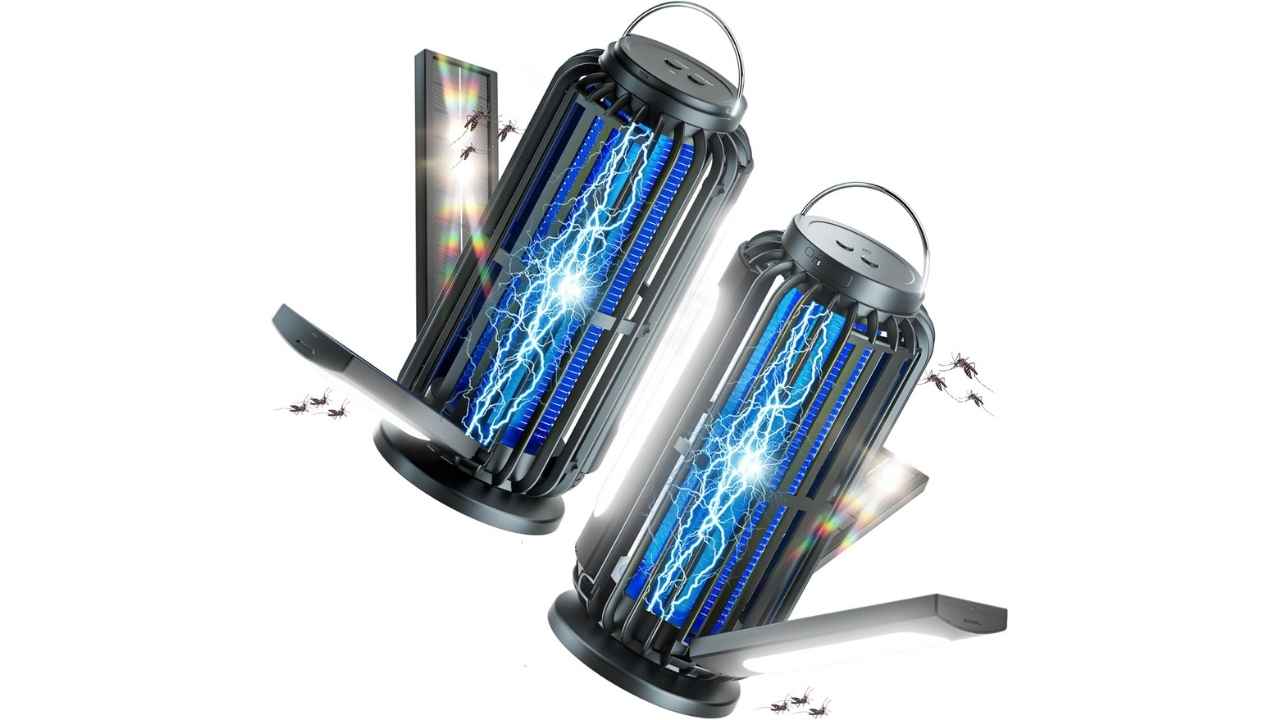 Outdoor essential TYPEC Solar Bug Zapper (36% off) Solar-powered bug zappers for patios and camping. |


