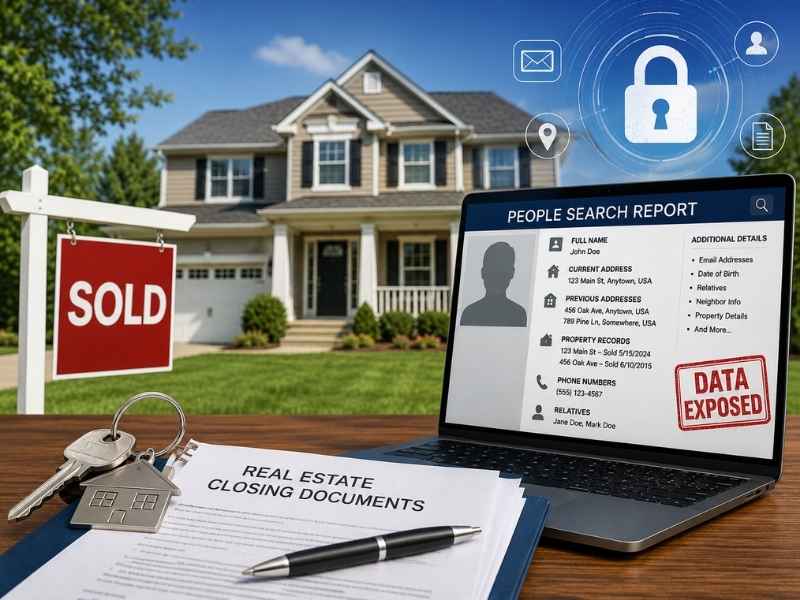



- Selling a home can push your name, address, property history and sale details into public records.
- Data brokers and people-search sites can package those details into profiles scammers may use.
- Real estate wire fraud can target sellers near closing with fake payment instructions.
- You can reduce exposure by removing risky listing photos, setting property alerts and requesting data broker opt-outs.
Selling your home can be exciting. It can also feel stressful, especially as you move into your retirement years. The last thing you need is opportunistic criminals circling as you make a major life change.
The risk is real. Someone who has just sold a home may have cash on hand or a well-funded bank account. That can make sellers prime targets for fraud, theft and identity scams.
There is good news, though. You have options. A few smart steps can help protect you, your family and your hard-earned nest egg. First, let’s take a closer look at what gets exposed.

What property sales can reveal
The moment a deed or property transfer gets recorded, key details can become part of the public record, depending on your state and county. That may include your name, mailing address, property history and, in many places, the sale price.
That gives scammers a head start. Based only on public record updates, they can target you when you may have the most to lose and when you are distracted by a move. They may know you recently sold a property, that you are receiving messages from real estate agents, title companies, escrow officers, inspectors and contractors and that your contact details may have changed.
But the deed and property records are only part of the problem. A property sale can reveal much more, including:
- Floor plans that show the home’s layout
- Interior photos that may reveal security systems, entrances and valuables
- Exterior views from listings or map services
- Photos that show artwork, electronics, collectibles or other expensive items
- Personal data that brokers already collected before the sale
How scammers get their hands on this information
Data brokers collect property information and sell it to real estate investors, marketing companies and lead generation services. For someone between 55 and 70 who is downsizing from a family home to a smaller property, that filing creates a fresh verified data point.
That new data can update an entire broker profile automatically, including your new address. Once that happens, the information can spread across people-search sites, marketing databases and broker networks. In some cases, it may reach brokers who sell curated consumer profiles to questionable buyers.
In other words, scammers do not have to piece together every record by hand. Data brokers and people-search sites can do the scraping, matching and packaging for them.
Watch for real estate wire fraud
Scammers may also impersonate your real estate agent, title company or escrow officer near closing. They may send fake wiring instructions or claim payment details have changed at the last minute.
Before sending or accepting any transfer, call the title company or closing professional using a phone number you found independently. Do not trust a number inside an unexpected email or text. Also, be suspicious of any last-minute change to wiring instructions.

How to limit the danger when selling your home
There are two main ways to reduce the risk. You can limit what enters the public record, and you can disrupt the spread of your information once it appears online. You can also do both at the same time.
To limit what gets exposed:
- Blur your property on Google Maps and Apple Maps. You can also follow our step-by-step guide to blur your home on Google Maps and Apple Maps.
- Contact your local government, usually at the county level, to ask whether property records can be redacted
- Sign up for free property or deed recording alerts through your county recorder or clerk’s office, if available
- Remove property photos that reveal personal information or weaken your physical security
- After purchasing a property, ask the real estate agent to remove photos and floor plans from their website
To limit what circulates online:
- Search for your name on popular search engines and note the people-search sites that appear
- Submit removal requests to sites that claim to sell your personal information
- Prioritize brokers that specialize in property records, such as PropertyChecker.com or FloridaParcels.com
- Research data brokers that operate in your area and send removal requests even when their websites do not allow public searches
Or, you can replace much of that work with a subscription to Incogni.
Or, you can replace much of that work with a subscription to a data removal service.
Why I recommend Incogni
Getting personal information out of circulation can take a lot of time. There are hundreds of data brokers. Each one may have its own opt-out process, and many can re-list your information within months after a successful removal.
That is why I recommend Incogni. It automatically contacts data brokers on your behalf, requests the removal of your information and keeps re-submitting removal requests if your data gets listed again. It covers 420+ data brokers, including people-search sites, with an Unlimited plan for as many more sites as you need.
Exclusive Deal for CyberGuy Readers (60% off): Incogni offers a 30-day, money-back guarantee and applies a special CyberGuy discount to all annual plans, as low as $6.39/month for one person (billed annually) or $13.19/month for your family (up to 5 people). This fully automated data removal service provides ongoing protection from 420+ data brokers, and the Unlimited plan allows you to request removals from specific sites where your personal information appears.
I recommend the family plan. It works out to only $2.64 per person per month (or $4.80 per person per month for the Family Unlimited plan) for powerful, year-round privacy protection. It’s an excellent service, and well worth trying to see exactly how much of your information is being exposed right now.
Get Incogni and remove your info
Run a free exposure scan
You can also run a free exposure scan to see where your personal information is appearing online. Results typically arrive by email within an hour.
Related Links:
- Remove your data to protect your retirement from scammers
- Why widows and divorced women are targets for retirement scams
- Scams that aren’t illegal (but should be)
Kurt’s key takeaways
Selling a home should feel exciting, not risky. However, once your property sale gets recorded, details such as your name, mailing address, property history and, in many places, the sale price can become part of the public record. That information can spread quickly. People-search sites and data brokers can package it with past addresses, phone numbers, relatives and email addresses. That makes it easier for scammers to build a convincing profile on you. The good news is you can reduce your exposure. Ask for your home to be blurred on map services, remove risky listing photos, sign up for county recording alerts and request removals from data broker sites. A data removal service can also send opt-out requests on your behalf and keep checking if your information comes back online. With a little planning, you can protect your privacy and make yourself a much harder target.
After selling a home or moving, did you find your personal information online? Tell us what happened and how you handled it. Let us know in the comments below.
FOR MORE OF MY TECH TIPS & SECURITY ALERTS, SUBSCRIBE TO MY FREE CYBERGUY REPORT NEWSLETTER HERE
We created this article in partnership with Incogni
Copyright 2026 CyberGuy.com. All rights reserved. CyberGuy.com articles and content may contain affiliate links that earn a commission when purchases are made.
🎙 Now Streaming: My New Podcast: The CyberGuy Report
Kurt’s Top Deals
Deals move fast and inventory can be limited, so don’t wait too long.
| 🔥 Editor’s pick  Summer entertaining Ninja SLUSHi Machine (26% off) Frozen drinks and slushies at home in minutes. | |
| 💰 Top deal 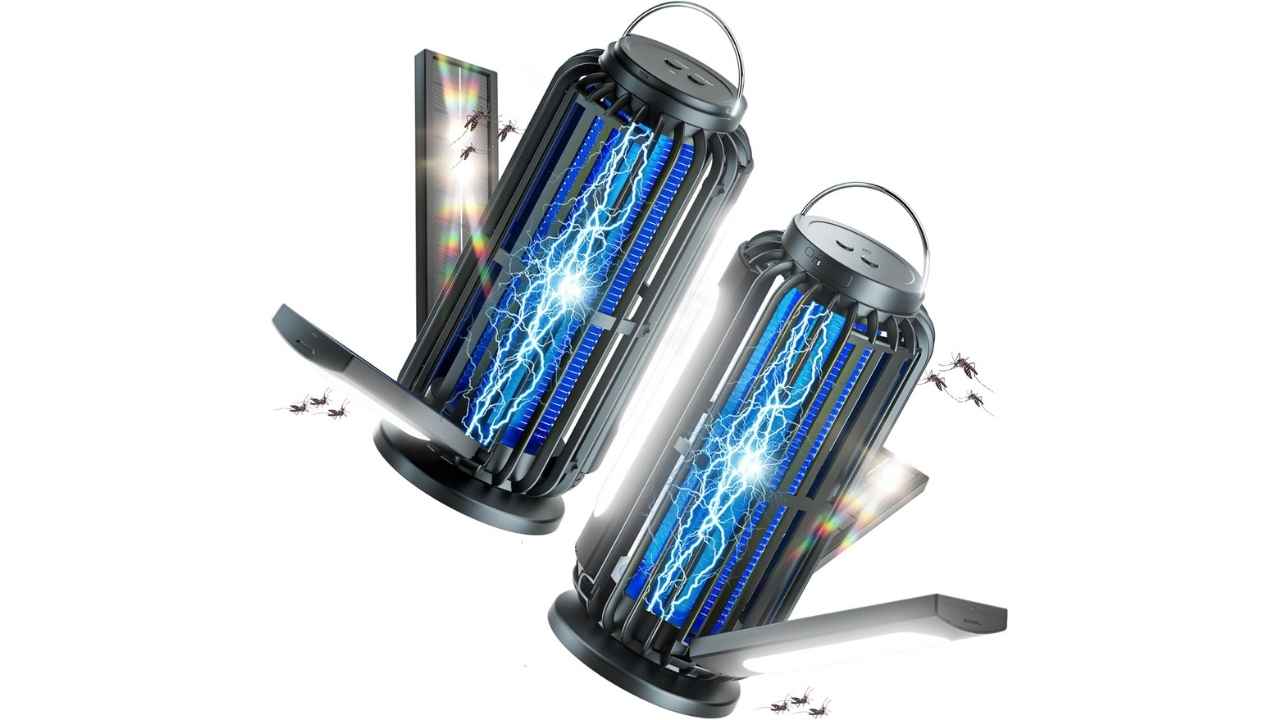 Outdoor essential TYPEC Solar Bug Zapper (36% off) Solar-powered bug zappers for patios and camping. |