



- People finder sites can make your current and past home addresses easy to find online.
- They collect details from public records, data brokers, apps, online purchases and social media.
- An exposed address can increase your risk of scams, identity theft, stalking, harassment and unwanted contact.
- Data removal services, manual opt-outs and regular searches can help reduce what’s visible about you online.
Your home address might be easier to find online than you think. A quick search of your name could turn up past and current locations, all thanks to people finder sites. These data broker sites quietly collect and publish personal details without your consent, making your privacy vulnerable with just a few clicks.

How your address gets exposed online and who’s using it
If you’ve ever searched for your name and found personal details, like your address, on unfamiliar websites, you’re not alone. People finder platforms collect this information from public records and third-party data brokers, then publish and share it widely. They often link your address to other details such as phone numbers, email addresses and even relatives.
While this data may already be public in various places, these sites make it far easier to access and monetize in bulk. In one recent credential exposure, more than 183 million email addresses appeared in data collected from malware, phishing and credential-stuffing activity. That kind of stolen login data becomes even more dangerous when scammers can pair it with home addresses, phone numbers and relatives listed on people search sites.
Although people finder sites claim to help reconnect friends or locate lost contacts, they also make sensitive personal information available to anyone willing to pay. This includes scammers, spammers and identity thieves who use it for fraud, harassment and targeted scams.

How do people search sites get your home address?
First, let’s define two sources of information: public and private databases that people search sites use to get your detailed profile, including your home address. They run an automated search on these databases with key information about you and add your home address from the search results.
1) Public sources
Your home address can appear in:
- Property deeds: When you buy or sell a home, your name and address become part of the public record.
- Voter registration: You need to list your address when voting.
- Court documents: Addresses appear in legal filings or lawsuits.
- Marriage and divorce records: These often include current or past addresses.
- Business licenses and professional registrations: If you own a business or hold a license, your address can be listed.
These records are legal to access, and people finder sites collect and repackage them into detailed personal profiles.
2) Private sources
Other sites buy your data from companies you’ve interacted with:
- Online purchases: When you buy something online, your address is recorded and can be sold to marketing companies.
- Subscriptions and memberships: Magazines, clubs, and loyalty programs often share your information.
- Social media platforms: Your location or address details can be gathered indirectly from posts, photos, or shared information.
- Mobile apps and websites: Some apps track your location.
People finder sites buy this data from other data brokers and combine it with public records to build complete profiles that include address information.

What are the risks of having your address on people finder sites?
The Federal Trade Commission (FTC) advises people to request the removal of their private data, including home addresses, from people search sites due to the associated risks of stalking, scamming, and other crimes.
Watch the latest episode of The CyberGuy Report.

Missed this event? Sign up via the registration form and see our live recording.
See Kurt’s latest Amazon picks for useful gadgets, smart home upgrades and everyday tech worth grabbing while the deals last.
People search sites are a goldmine for cybercriminals looking to target and profile potential victims as well as plan comprehensive cyberattacks. Losses due to targeted phishing attacks increased by 33% in 2025, according to the FBI. So, having your home address publicly accessible can lead to several risks:
- Stalking and harassment: Criminals can easily find your home address and threaten you.
- Identity theft: Scammers can use your address and other personal information to impersonate you or fraudulently open accounts.
- Unwanted contact: Marketers and scammers can use your address to send junk mail or phishing or brushing scams.
- Increased financial risks: Insurance companies or lenders can use publicly available address information to unfairly decide your rates or eligibility.
- Burglary and home invasion: Criminals can use your location to target your home when you’re away or vulnerable.
How to protect your home address
The good news is that you can take steps to reduce the risks and keep your address private. However, keep in mind that data brokers and people search sites can re-list your information after some time, so you might need to request data removal periodically.
I recommend a few ways to delete your private information, including your home address, from such websites.
1) Remove your address from data broker sites
Data brokers can sell your home address and other personal data to multiple businesses and individuals, so the key is to act fast. If you’re looking for an easier way to protect your privacy, a data removal service can do the heavy lifting for you, automatically requesting data removal from brokers and tracking compliance.
While no service can guarantee the complete removal of your data from the internet, a data removal service is really a smart choice. They aren’t cheap – and neither is your privacy. These services do all the work for you by actively monitoring and systematically erasing your personal information from hundreds of websites. It’s what gives me peace of mind and has proven to be the most effective way to erase your personal data from the internet. By limiting the information available, you reduce the risk of scammers cross-referencing data from breaches with information they might find on the dark web, making it harder for them to target you.
Why I recommend using an automated data removal service
A service like Incogni can help you remove all this personal information from the internet. It has a very clean interface and will scan 420+ websites for your information and remove it and keep it removed.
The longer you wait, the more data brokers spread your personal information online. I recommend Incogni to help you remove that data automatically (and they make sure it stays removed) without any effort on your part.
Exclusive Deal for CyberGuy Readers (60% off): Incogni offers a 30-day money-back guarantee and then charges a special CyberGuy discount for all annual plans only through the links in this article for as low as $6.39/month for one person (billed annually) or $13.19/month for your family (up to 5 people) on their annual plan. This fully automated data removal service provides ongoing protection from 420+ data brokers, and if you choose the Unlimited plan, you can also request removals from specific sites where your personal information appears.
I recommend the family plan because it works out to only $2.64 per person per month (or $4.80 per person per month if you get the Unlimited plan) for powerful year-round privacy protection. It’s an excellent service, and well worth trying to see how much of your information is being exposed and how effectively it can be removed.
Get Incogni for your family (up to 5 people) here
Is your personal information exposed online?
Run a free scan to see if your personal info is compromised. Results arrive by email in about an hour.
2) Opt out manually
Use a free scanner provided by a data removal service to check which people search sites that list your address. Then, visit each of these websites and look for an opt-out procedure or form: keywords like “opt out,” “delete my information,” etc. point the way.
Follow each site’s opt-out process carefully, and confirm they’ve removed all your personal info; otherwise, it may get relisted.
3) Monitor your digital footprint
I recommend regularly searching online for your name to see if your location is publicly available. If only your social media profile pops up, there’s no need to worry. However, people finder sites tend to re-list your private information, including your home address, after some time.
4) Limit sharing your address online
Be careful about sharing your home address on social media, online forms, and apps. Review privacy settings regularly, and only provide your address when absolutely necessary. Also, adjust your phone settings so that apps don’t track your location.
Related Links:
- Why it’s so hard to find every data broker selling your information
- Dark web monitoring: does it put your data at risk?
- Inheritance scam email looks real but steals your data
Kurt’s key takeaways
Your home address is more vulnerable than you think. People finder sites aggregate data from public records and private sources to display your address online, often without your knowledge or consent. This can lead to serious privacy and safety risks. Taking proactive steps to protect your home address is essential. Do it manually or use a data removal tool for an easier process. By understanding how your location is collected and taking measures to remove your address from online sites, you can reclaim control over your personal data.
How do you feel about companies making your home address so easy to find? Let us know in the comments below.
FOR MORE OF MY TECH TIPS & SECURITY ALERTS, SUBSCRIBE TO MY FREE CYBERGUY REPORT NEWSLETTER HERE
This article was created in partnership with Incogni
Copyright 2026 CyberGuy.com. All rights reserved. CyberGuy.com articles and content may contain affiliate links that earn a commission when purchases are made.
🎙 Now Streaming: My New Podcast: The CyberGuy Report
Kurt’s Top Deals
Deals move fast and inventory can be limited, so don’t wait too long.
| 🔥 Editor’s pick  Summer entertaining Ninja SLUSHi Machine (26% off) Frozen drinks and slushies at home in minutes. | |
| 💰 Top deal 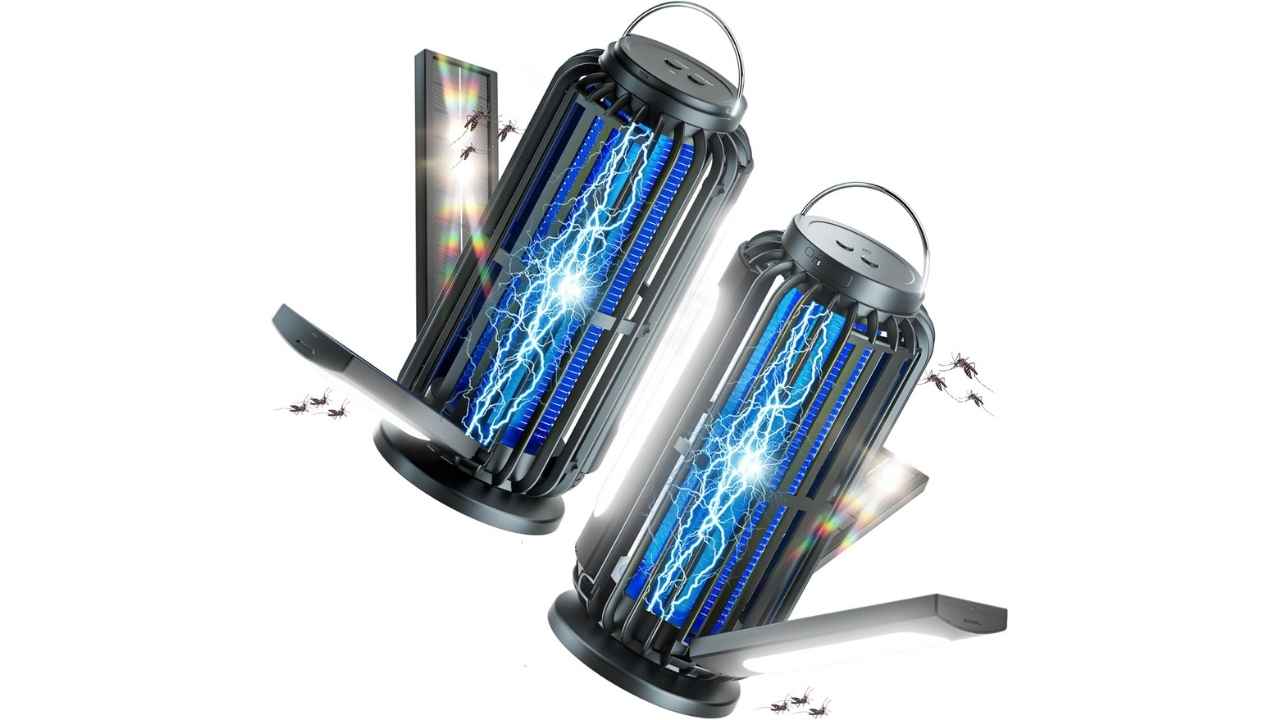 Outdoor essential TYPEC Solar Bug Zapper (36% off) Solar-powered bug zappers for patios and camping. |


1 comment
I think it should be illegal to sell addresses or even present them for everyone to see. thanks for your newsletters.