



Why settle for a regular robot when you can have a robot coyote? That’s the innovative question the US Army Engineer Research and Development Center (ERDC) is answering as they roll out robot coyotes for airfield wildlife control. These cybernetic prairie predators are a creative solution to a very real problem.

Credit: US Army Corps of Engineers
The serious wildlife threat facing airfields today
Airfields face a constant battle with wildlife. Birds, rabbits, and even deer can wander onto runways, creating dangerous situations for aircraft and crews. Birds are the biggest threat. When sucked into engines or hitting windscreens, they can cause catastrophic damage. In fact, the threat is so serious that the US Civil Air Administration once built a “chicken gun” to fire bird carcasses at planes to test their resilience.
Traditional deterrents, like drones, dogs, falcons, and even gas-powered cannons, have been used for years. But wildlife adapts quickly, and these methods don’t always keep animals away for long.
How robot coyotes work to scare off birds and animals
Enter the robot coyote. The ERDC, in partnership with wildlife biologists Dr. Stephen Hammond and Dr. Jacob Jung, and the USDA National Wildlife Research Center (NWRC), has spent five years developing these unique machines. The idea is simple: most animals instinctively avoid coyotes, so why not use that fear to keep them away from airfields?
The first prototypes, called Coyote Rovers, started as Boston Dynamics Spot robots. However, these proved too slow to scare off wildlife. The team switched to four-wheeled Traxxas X-Maxx motorized cars, which can reach speeds of 20 mph. Each vehicle carries a plastic coyote dummy, blending just the right amount of realism and intimidation, all for about $3,000 each.

Credit: US Army Corps of Engineers
Inside the U.S. Army’s testing of robot coyotes on airfields
The robot coyotes have already been tested at several military airfields, including Naval Air Station Pensacola, Fort Campbell, and Naval Air Station Whiting Field. These early trials showed promise. The robot coyotes successfully deterred birds and other animals, helping to keep runways clear and safe.
But the ERDC isn’t stopping there. The goal is to make these robot coyotes even smarter. Future versions may include programmed routes, exclusion zones, and the ability to identify specific species. Imagine a robot coyote that can recognize a flock of geese and adjust its tactics on the fly.
What the future holds for airport wildlife control technology
The ERDC and USDA-NWRC are continuing to refine these robot coyotes for airfield wildlife control. New features are on the horizon, including onboard computers, artificial intelligence, cameras, and sensors. The aim is to create a robust system that can operate autonomously, navigate tough terrain, and adapt to changing conditions. These advances could revolutionize how airfields, and perhaps even commercial airports, manage wildlife hazards.

Credit: US Army Corps of Engineers
Related articles:
- Mini robots detect and fix water pipe leaks without digging
- How micro-robots may soon treat your sinus infections
- Robot cleans 32,000 square feet of beach per hour
Watch the latest episode of The CyberGuy Report.

Missed this event? Sign up via the registration form and see our live recording.
See Kurt’s Prime Day picks for useful gadgets, practical upgrades and everyday tech while the deals last.
Kurt’s key takeaways
Robot coyotes for airfield wildlife control are a creative and practical answer to a longstanding problem. By blending technology and biology, the US Army is making airfields safer for everyone. As these systems become more advanced, we may see them used in airports around the world.
If robot coyotes can keep wildlife off runways, what other surprising animal-inspired robots might we see patrolling our critical infrastructure in the future? Let us know in the comments below.
FOR MORE OF MY TECH TIPS & SECURITY ALERTS, SUBSCRIBE TO MY FREE CYBERGUY REPORT NEWSLETTER HERE
Copyright 2025 CyberGuy.com. All rights reserved. CyberGuy.com articles and content may contain affiliate links that earn a commission when purchases are made.
🎙 Now Streaming: My New Podcast: The CyberGuy Report
Kurt’s Top Deals
Deals move fast and inventory can be limited, so don’t wait too long.
| 🔥 Editor’s pick  Summer entertaining Ninja SLUSHi Machine (26% off) Frozen drinks and slushies at home in minutes. | |
| 💰 Top deal 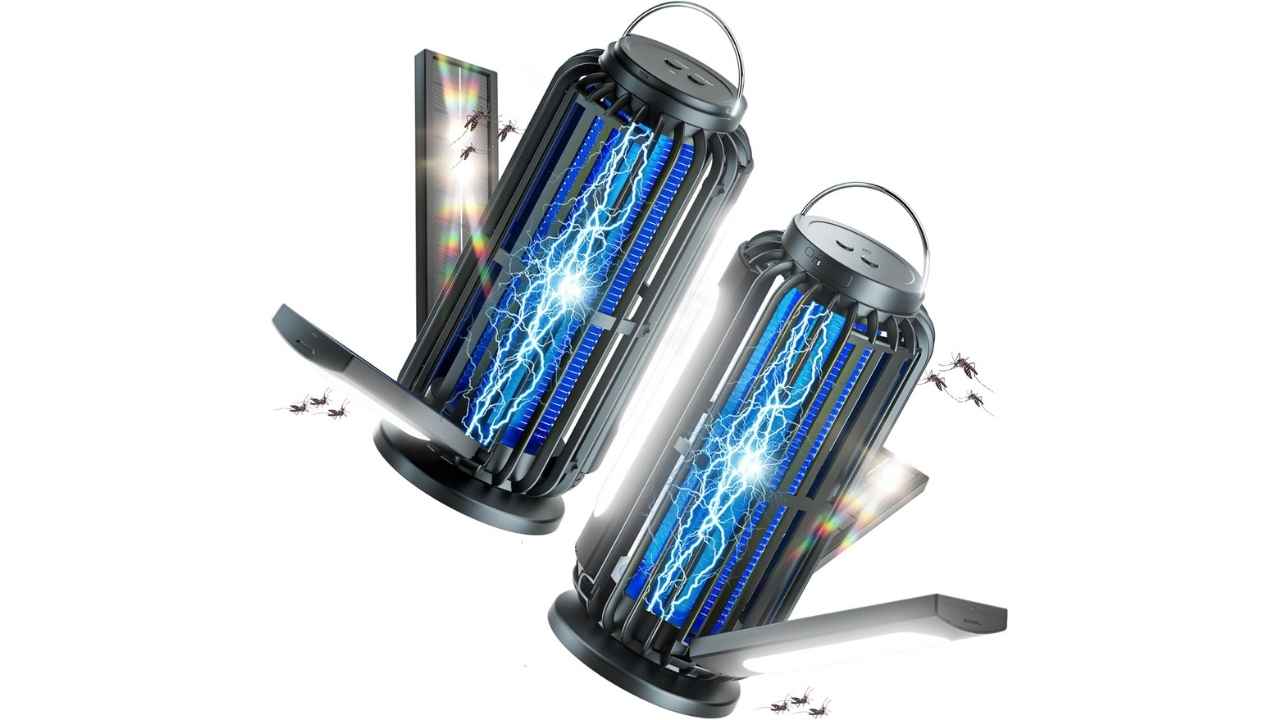 Outdoor essential TYPEC Solar Bug Zapper (36% off) Solar-powered bug zappers for patios and camping. |


