



As millions prepare to snag the best deals during Amazon Prime Day, cybercriminals are preparing too, just not in the way you’d hope. Security researchers have uncovered more than 120,000 fake Amazon websites, designed to scam excited shoppers during the retail giant’s annual shopping event. With sales set to begin July 8 and run through July 11, the timing couldn’t be more sinister. These scam websites, filled with phishing traps, malware, and fake products, were created in the past two months, just in time for the Prime Day rush.

What are Amazon Prime Day scams and how do they work?
The bulk of the scam sites, 92,000 domains, attempt to phish user credentials by impersonating official Amazon pages. Another 21,000 fake websites are built to install malware, while 11,000 try to sell counterfeit or nonexistent goods. The data comes from NordVPN’s Threat Protection Pro platform, where researchers confirmed a massive uptick in malicious activity tied directly to Amazon Prime Day.

BEST EARLY AMAZON PRIME DAY 2025 DEALS
Amazon Prime Day scams: Why they’re increasing and how to protect yourself
Amazon Prime Day is one of the most anticipated online shopping events of the year, and that makes it a goldmine for scammers. Cybercriminals know shoppers are often in a hurry, eager to grab deals before they disappear. That urgency can lead to poor judgment and careless clicks.
Amazon is actively fighting back against these threats. In 2024, the company initiated takedowns of more than 55,000 phishing websites and 12,000 phone numbers used in impersonation schemes. Amazon also partners with law enforcement agencies around the world to ensure scammers are held accountable, referring hundreds of bad actors to authorities for further investigation and prosecution. But the AI-amplified threats are coming faster than ever, which means you need to be more vigilant than ever when shopping for deals.
Amazon also reminds customers that it will never ask for payment via email or phone, nor request gift cards as a form of payment. Even so, the burden of protection often falls on consumers. Knowing what to watch for can make all the difference.

AMAZON PRIME DAY 2025: EXPERT TIPS FOR BEST DEALS
Top 10 tips to avoid Amazon Prime Day scams and protect your purchases
Staying safe during Prime Day means slowing down and thinking before you click. Below are key ways to protect your personal and financial information from Amazon Prime Day scams.
1) Shop only through official Amazon channels
Always make your purchases through Amazon.com or the official Amazon app. Avoid clicking on links from texts, emails, social media posts, or pop-up ads-even if they appear to come from Amazon. Scammers often use lookalike pages to steal your information. The best way to safeguard yourself from malicious links that install malware, potentially accessing your private information, is to have antivirus software installed on all your devices. This protection can also alert you to phishing emails and ransomware scams, keeping your personal information and digital assets safe.
TotalAV is easy to set up and offers real-time protection for paid users, keeping your devices safe around the clock. It includes tools to block phishing scams, remove ransomware and spyware, and clean up adware and junk files. The software also features a browser manager, system tune-up tools, and protects across Windows, Mac, Android, and iOS devices.
GET MY EXCLUSIVE CYBERGUY TOTALAV DEAL:
Please note:
1) If you're having difficulty seeing either of the above deals, do this:
- If you're on a mobile device, hold down the link above, "Copy Link", and then paste it into a private or incognito browser.
- If you're on a laptop or desktop, right click the link, "Copy Link", and then paste it into a private or incognito browser.
2) During registration you may see optional upsells you can decline. Our top pick is the core antivirus product.
3) If you need help after your purchase, you can reach TotalAV directly through their official support page here.
2) Never share account info over the phone
Amazon will never call and ask for your login credentials, passwords, or personal details. If you get a call that pressures you to “verify your account,” hang up. It’s a scam.
3) Be wary of gift card requests
No legitimate Amazon representative will ask you to pay using gift cards. If someone instructs you to buy a gift card and send them the code, it’s 100% a scam. End the conversation immediately.
4) Double-check website URLs
Scammers create fake websites with small, easy-to-miss spelling differences like arnazon.com or amaz0n-sale.com. Before you enter any sensitive info, take a second to look closely at the web address.
5) Report suspicious activity
If you encounter a scam attempt, report it to Amazon through their official support page. You can also report phishing sites to the FTC at ReportFraud.ftc.gov. Reporting helps shut down fraud faster.
6) Use strong, unique passwords and enable two-factor authentication
Make sure your Amazon account uses a strong, unique password that you don’t use anywhere else. Consider using a password manager to generate and store complex passwords. Also, enable two-factor authentication (2FA) on your Amazon account for an extra layer of security.
- Unlimited password storage
- Secure sharing
- Password health reports
- Auto-fill and emergency access
- Data breach monitoring to alert you if your credentials have been exposed
- A Security Dashboard with tools like the Data Breach Scanner and Password Health Checker to identify weak, reused, or compromised passwords
CyberGuy Exclusive Deal: Save 52% now with CyberGuy’s exclusive NordPass offer – Get 1 extra month FREE with a 2-year plan. Try 30 days risk-free for only $1.43 per month!
7) Keep your devices and apps updated
Regularly update your computer, smartphone, and the Amazon app to patch security vulnerabilities. Cybercriminals often exploit outdated software to gain access.
8) Avoid public Wi-Fi when shopping
Public Wi-Fi networks can be insecure. Try to shop on Amazon using your private, secure internet connection rather than public Wi-Fi to reduce the risk of data interception.
9) Review your bank and credit card statements promptly
After making purchases, keep an eye on your financial statements for any unauthorized or suspicious charges. Early detection can minimize damage.
10) Be skeptical of too-good-to-be-true deals
If a deal looks unbelievably cheap or comes from an unfamiliar seller, double-check the product reviews and seller ratings on Amazon. Scammers often lure buyers with unrealistic prices.
GET MY BEST AMAZON PRIME DAY 2025 DEALS
Watch the latest episode of The CyberGuy Report.

Missed this event? Sign up via the registration form and see our live recording.
See Kurt’s Prime Day picks for useful gadgets, practical upgrades and everyday tech while the deals last.
Kurt’s key takeaways
Amazon Prime Day scams are growing more sophisticated, and the sheer scale of fake websites, over 120,000, is alarming. But by staying alert, verifying websites, and following safe shopping habits, you can protect yourself and still take advantage of the sales. Remember, if a deal seems too good to be true, it probably is. Pause, check, and think before you click, and you’ll stay one step ahead of the scammers.
Who do you think should be doing more to protect shoppers from Amazon Prime Day scams, Amazon, the government, or the shoppers themselves? Let us know in the comments below.
FOR MORE OF MY TECH TIPS & SECURITY ALERTS, SUBSCRIBE TO MY FREE CYBERGUY REPORT NEWSLETTER HERE
Copyright 2025 CyberGuy.com. All rights reserved. CyberGuy.com articles and content may contain affiliate links that earn a commission when purchases are made.
🎙 Now Streaming: My New Podcast: The CyberGuy Report
Kurt’s Top Deals
Deals move fast and inventory can be limited, so don’t wait too long.
| 🔥 Editor’s pick  Summer entertaining Ninja SLUSHi Machine (26% off) Frozen drinks and slushies at home in minutes. | |
| 💰 Top deal 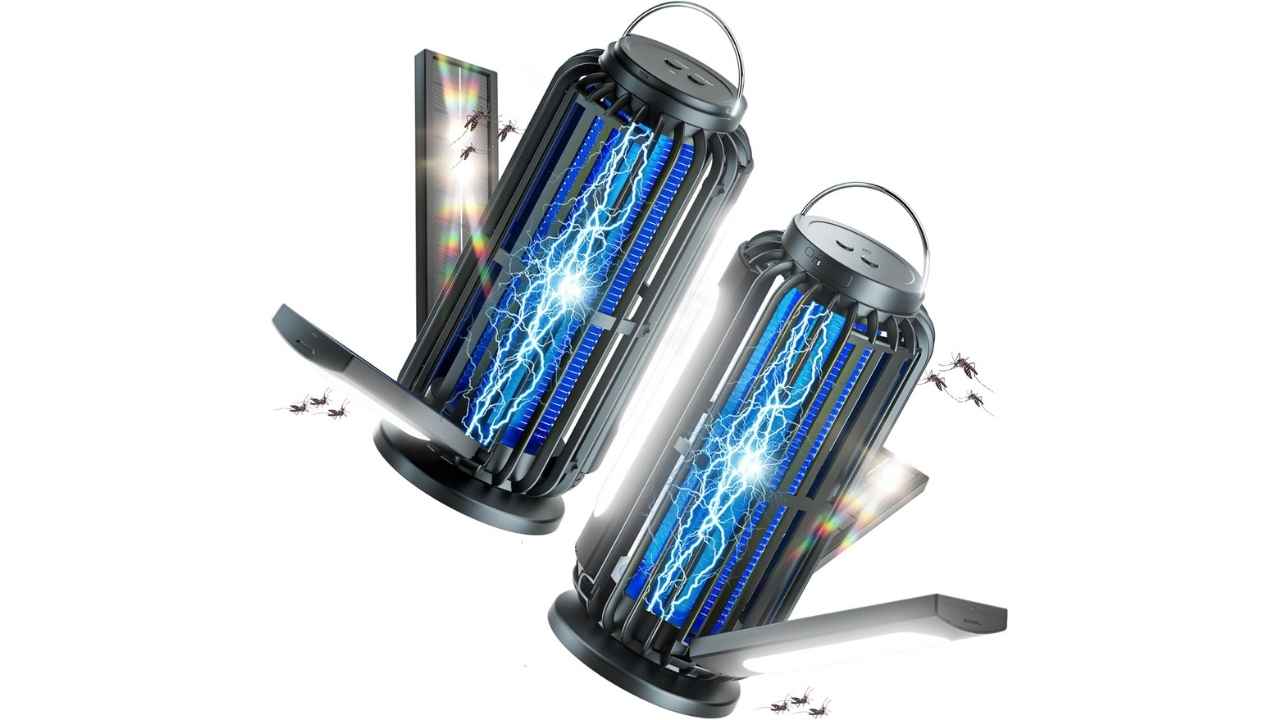 Outdoor essential TYPEC Solar Bug Zapper (36% off) Solar-powered bug zappers for patios and camping. |


2 comments
2:56 mins
Amazon should be fully accountable. As a customer/victim, I expect them to monitor and regulate the vendors they host on their platform. Banks should be held solely responsible for issuing fraudulent loans. Banks should be diligence to ensure the authenticity of loan applications they approve.