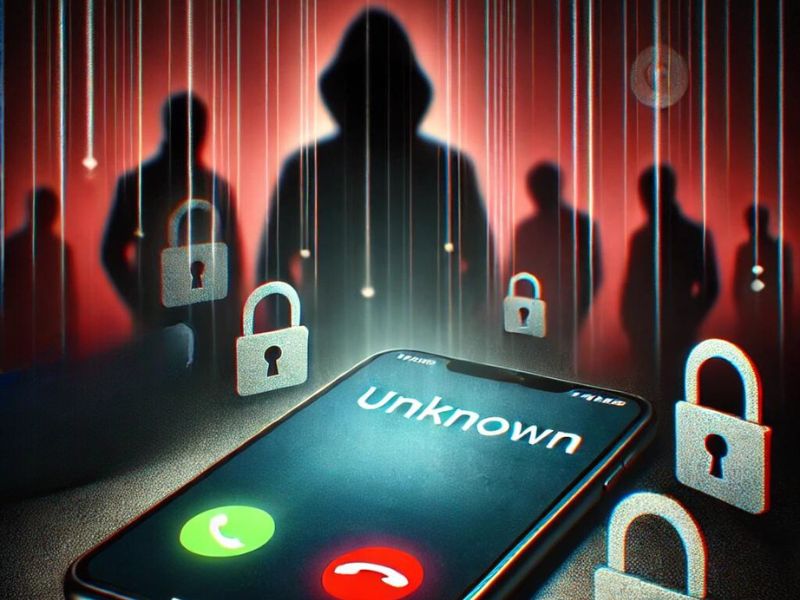



Scammers are becoming more sophisticated in their attempts to steal your sensitive data. One particularly concerning trend is the rise of targeted phone scams, where callers possess just enough information to seem legitimate but are actually phishing for more details to exploit.
Recently, we received an email from James in LA detailing his unsettling experience with a series of suspicious phone calls. His story serves as a stark reminder of the importance of vigilance in protecting our personal information. Here’s what James shared with us:
I have received multiple random unknown calls (in the past two months), and they always start with the person calling me on the phone (listed as unknown) and providing my full name. Absolutely Correct. Then, ask if I am that ‘name, in (insert city). Then, when I say no, you have the wrong guy, they provide a birthdate and ask if it is mine, which, of course, it is Not. Then, they politely apologize, say thank you, and hang up. At that point, you realize that they never told you who they are representing. Maybe I’m paranoid, but it just seems strange.
James’ experience is not unique. Many people across the country are reporting similar incidents, where callers seem to have a partial set of personal information and are attempting to verify or expand upon it. This tactic, known as “social engineering,” is a common method used by scammers to gain trust and extract valuable data.
Where scammers get their information
The mystery behind these creepy ‘Unknown’ spam calls often begins with data breaches or information leaks. Scammers obtain partial information from various sources, including public records, social media profiles, or purchased data from the dark web. They then use this incomplete data as a starting point for their phishing attempts, aiming to fill in the gaps and create a more complete profile of their targets.
Understanding the scammer’s playbook
Let’s break down the tactics used in these calls:
Partial Knowledge: The scammer starts with some correct information, like a full name and city. This creates an illusion of legitimacy and can catch you off guard. However, they might be phishing for more details, like your birthdate.
Verification requests: By asking to confirm additional details like a birthdate, the scammer is attempting to gather more valuable personal information.
Vague identity: The caller never identifies themselves or their organization, making it difficult to verify their legitimacy or report them later.
Polite disengagement: The quick, polite end to the call is designed to leave the recipient feeling that nothing suspicious has occurred, reducing the likelihood of immediate suspicion or action.
These tactics are carefully crafted to exploit human psychology. The initial correct information builds trust, the request for verification seems reasonable, and the polite exit leaves the recipient with a positive final impression.

The dangers of information gathering
You might wonder, “What harm can come from confirming my birthdate?” Unfortunately, in the wrong hands, even small pieces of information can be dangerous. Scammers can use these details to:
- Build a more complete profile for identity theft
- Access accounts or reset passwords
- Impersonate you in other scams or fraudulent activities
- Sell your information on the dark web
Data is a valuable commodity these days, and every piece of personal information should be guarded carefully.
A Texas mom says she spent the night in jail after speaking up online about dirty water in her town. The case was later dropped, but her story raises a troubling question: could something you post online ever put you at risk?

Missed this event? Sign up via the registration form and see our live recording.
See Kurt’s 2026 picks for practical tech and everyday upgrades.

8 steps to protect your personal information
In light of the sophisticated tactics employed by scammers, it is important to protect your personal information. Here are some measures you can implement:
1) Avoid sharing information with unknown callers
It is essential to never provide personal information over the phone to unknown callers. Always use caller ID and refrain from answering calls from numbers you do not recognize. If you do answer a call, avoid confirming or denying any information the caller claims to have. Be particularly wary of callers who create a sense of urgency or use fear tactics to manipulate you.

2) Verify caller identity
When you receive a suspicious call, ask for the caller’s name, the company they represent, and a callback number. However, do not call back immediately; instead, take the time to research the company independently. Look up official contact information online and call that number to verify the legitimacy of the initial call.

3) Enable spam-blocking features
To further protect yourself, enable spam-blocking features on your phone. You may also consider using call blocking apps which can help screen calls and identify potential spam. Additionally, regularly updating your phone’s operating system will ensure that you benefit from the latest security features and protections.
4) Report suspicious activity
If you encounter suspicious calls, it is important to report them to your phone carrier. You should also file a complaint with the Federal Trade Commission (FTC). If you believe you have been a victim of fraud, consider reporting the incident to local law enforcement to help protect yourself and others in your community.

5) Remove your personal information from the internet
To reduce your online presence, consider using a data removal service. While no service can guarantee the complete removal of your data from the internet, a data removal service is really a smart choice. They aren’t cheap – and neither is your privacy. These services do all the work for you by actively monitoring and systematically erasing your personal information from hundreds of websites.
It’s what gives me peace of mind and has proven to be the most effective way to erase your personal data from the internet. By limiting the information available, you reduce the risk of scammers cross-referencing data from breaches with the information they might find on the dark web, making it harder for them to target you.
Incogni, a service I trust 100% and use myself, helps automate the process by submitting removal requests to hundreds of data brokers and people-search sites on your behalf.
Incogni automatically contacts data brokers on your behalf and requests the removal of your personal information. It also continues monitoring those sites and submits new removal requests if your data reappears.
- Incogni currently removes personal data from 420+ data broker and people-search websites, and its Unlimited plan allows you to request removals from as many additional sites as you need.
- Incogni has also received third-party assurance from Deloitte, validating its marketing claims.
- The goal is simple: make it much harder for strangers, scammers, and cybercriminals to find your personal information online.
CyberGuy readers get 60% off Incogni’s annual plans using the links in this article.
The service also includes a 30-day money-back guarantee, so you can try it risk-free and see how much of your information is exposed online.
6) Use an identity theft protection service
Identity Theft companies can monitor personal information like your Social Security Number (SSN), phone number, and email address and alert you if it is being sold on the dark web or being used to open an account. They can also assist you in freezing your bank and credit card accounts to prevent further unauthorized use by criminals.
One of the best parts of using some services is that they might include identity theft insurance of up to 1 million dollars to cover losses and legal fees and a white glove fraud resolution team where a US-based case manager helps you recover any losses.
One of the best parts of my top pick, Aura Identity Protection, is its all-in-one approach to safeguarding your personal and financial life. Aura includes identity theft insurance of up to $1 million per adult to cover eligible losses and legal fees, plus 24/7 U.S.-based fraud resolution support with dedicated case managers ready to help restore your identity fast.
Exclusive CyberGuy deal: Save up to 68% today: Get Aura’s award-winning identity theft protection and credit monitoring for as low as $9/month when billed annually.
See my full list of trusted identity theft protection services and expert tips to stay safe online.
7). Secure your accounts
To enhance the security of your online accounts, use strong and unique passwords for each one. It is also wise to avoid using easily guessable information, such as birthdates, in your passwords. Consider using a password manager like our #1 pick Nordpass to generate and store complex passwords. Also, enabling two-factor authentication wherever possible on your devices adds an extra layer of security.
- Unlimited password storage
- Secure sharing
- Password health reports
- Auto-fill and emergency access
- Data breach monitoring to alert you if your credentials have been exposed
- A Security Dashboard with tools like the Data Breach Scanner and Password Health Checker to identify weak, reused, or compromised passwords
CyberGuy Exclusive Deal: Save 52% now with CyberGuy’s exclusive NordPass offer – Get 1 extra month FREE with a 2-year plan. Try 30 days risk-free for only $1.43 per month!
8) Be cautious on social media
When using social media, review and tighten your privacy settings to limit who can see your personal information. Be mindful of the details you share publicly, as scammers often use social media to gather information. Additionally, avoid accepting friend requests or messages from unknown individuals to reduce the risk of falling victim to scams.
By implementing these comprehensive steps, you will significantly reduce your risk of falling victim to phone scams and identity theft. Remember that protecting your personal information is an ongoing process that requires vigilance and regular attention.
Related links:
- 4.3 million Americans exposed in massive health savings account data breach
- World’s largest stolen password database uploaded to criminal forum
- Massive dell data breach hits 49 million users — what this means for your privacy and security
Kurt’s key takeaways
Scammers are constantly evolving their tactics, making it crucial for us to stay one step ahead. James’ experience serves as a wake-up call for all of us. It’s not just about being cautious; it’s about being proactively defensive with our personal data.
Remember, every piece of information you share, no matter how small, can be a puzzle piece for scammers. Your birthdate, your city, even your social media posts – they’re all potential tools in a scammer’s arsenal. But don’t let this paralyze you with fear. Instead, let it empower you to take control of your digital footprint.
By implementing the steps we’ve discussed – from being alert on phone calls to using data removal and identity protection services – you’re not just protecting yourself. You’re also making it harder for scammers to operate, potentially saving others from falling victim.
What’s the most unusual or clever scam attempt you’ve encountered, and how did you handle it? Your experiences could help others recognize and avoid similar scams in the future. Let us know in the comments below.
FOR MORE OF MY TECH TIPS & SECURITY ALERTS, SUBSCRIBE TO MY FREE CYBERGUY REPORT NEWSLETTER HERE
Copyright 2025 CyberGuy.com. All rights reserved. CyberGuy.com articles and content may contain affiliate links that earn a commission when purchases are made.
🎙 Now Streaming: My New Podcast: The CyberGuy Report
Kurt’s Top Deals
Deals move fast and inventory can be limited, so don’t wait too long.
| 🔥 Editor’s pick  Summer entertaining Ninja SLUSHi Machine (26% off) Frozen drinks and slushies at home in minutes. | |
| 💰 Top deal 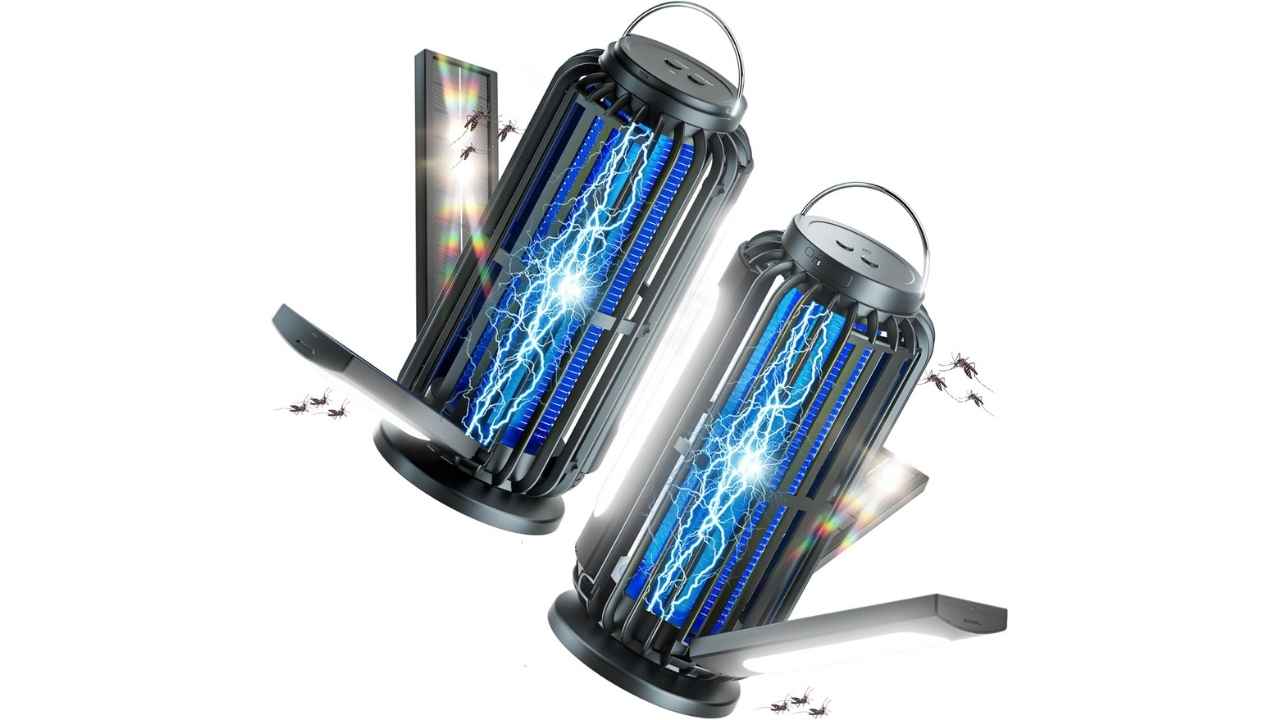 Outdoor essential TYPEC Solar Bug Zapper (36% off) Solar-powered bug zappers for patios and camping. |