
Recently, you may have received alarming emails like the one below from “sharfharef” titled “Wallet Verification Required” that uses the MetaMask logo and branding. These messages warn you to verify your wallet by following a link, but scammers use emails like this to steal your crypto information.

What is MetaMask and why scammers love it
MetaMask is a popular crypto wallet and browser extension that lets you store tokens and connect to blockchain apps on networks such as Ethereum. Because MetaMask is widely known and trusted, criminals impersonate it in phishing campaigns that ask users to “verify” wallets and then harvest recovery phrases or keys.
What makes this email a wallet verification scam
The scam email copies MetaMask visuals and even routes through a Zendesk address to look more professional, yet the “Verify Wallet Ownership” button points to an unrelated domain that has nothing to do with MetaMask. That mismatch between branding and destination is a major red flag in crypto phishing attacks. It also relies on classic pressure tactics and vague corporate language. The body reads:
Dear Valued User,
As part of our ongoing commitment to account security, we require verification to confirm ownership of your wallet.
This essential security measure helps protect your assets and maintain the integrity of our platform.
Action Required By: December 03, 2025
Your prompt attention to this verification will help ensure uninterrupted access to your account and maintain the highest level of security protection.
Phrases like “Dear Valued User,” “essential security measure,” and “Action Required By” are common in phishing emails that pretend to be MetaMask and threaten restrictions if you do not comply. Genuine MetaMask support will direct you to metamask.io or official apps and will never ask you to reveal your secret recovery phrase through a link in an unsolicited email.
In this case, the message even claims to come from “МеtаМаsk.io (Support@МеtаМаsk.io)” <support@z3nbetting.zendesk.com>. That display name looks like MetaMask Support, but the real sending address is an unrelated Zendesk subdomain, which is a classic red flag. MetaMask explains that legitimate support messages only come from specific official addresses, so anything else should be treated as a scam and ignored.

Why mention Zendesk can be misleading
Zendesk is a legitimate customer support platform that many companies use to manage tickets and notifications. Scammers sometimes route fake alerts through such services or spoof similar addresses so messages look like real support tickets, which can fool users who associate Zendesk branding with trust.
In this case, the presence of a Zendesk style address does not make the message safe because the link still leads away from MetaMask’s official website and asks you to react to manufactured urgency.

Steps to stay safe from wallet verification scam emails
Taking the right precautions can protect your digital wallet and personal data from scammers.
1) Do not click suspicious links and use strong antivirus software
Avoid clicking buttons or links in unexpected wallet verification emails, even if they show the MetaMask logo. Instead, open your browser and type metamask.io yourself or use the official mobile app to check for any real alerts. Also, install strong antivirus software to detect malicious links, fake sites or malware that tries to capture your keystrokes.
Watch the latest episode of The CyberGuy Report.

Missed this event? Sign up via the registration form and see our live recording.
See Kurt’s latest Amazon picks for useful gadgets, smart home upgrades and everyday tech worth grabbing while the deals last.
The best way to safeguard yourself from malicious links that install malware, potentially accessing your private information, is to have strong antivirus software installed on all your devices. This protection can also alert you to phishing emails and ransomware scams, keeping your personal information and digital assets safe.
Keep it updated so it can block new phishing infrastructure and known scam domains.
- Strong real-time protection against viruses, malware, ransomware and hacking attempts
- AI-powered scam protection to help identify suspicious emails, texts and websites
- Built-in password manager to securely store and manage logins
- 2 GB PC cloud backup to help protect important files from ransomware or hardware failure
- Smart firewall and phishing protection
- Protects 1, 3 or 5 devices
- Available for Windows, macOS, Android and iOS
- Includes real-time threat protection, smart firewall and phishing protection to guard against online attacks
2) Use official websites only
Always confirm that the address bar shows MetaMask’s official domain or your wallet provider’s genuine site before you sign in. If an email link sends you to a domain that looks odd, close it immediately.
3) Keep your credentials private
Never enter your secret recovery phrase, password or private keys on a site you reached by email. MetaMask support will not ask for that information, and anyone who gets it can empty your wallet.
4) Enable two-factor authentication
Turn on two-factor authentication (2FA) wherever your exchange or related accounts support it, since codes from an app or key add a barrier even if a password leaks. Store backup codes safely offline so criminals cannot reach them.
5) Use a data removal service
Data removal services can help reduce exposed personal details from data broker sites that attackers use to target victims by name and email. Less exposed information makes it harder for phishers to craft convincing wallet alerts tailored to you.
While no service can guarantee the complete removal of your data from the internet, a data removal service is really a smart choice. They aren’t cheap, and neither is your privacy. These services do all the work for you by actively monitoring and systematically erasing your personal information from hundreds of websites. It’s what gives me peace of mind and has proven to be the most effective way to erase your personal data from the internet. By limiting the information available, you reduce the risk of scammers cross-referencing data from breaches with information they might find on the dark web, making it harder for them to target you.
Incogni, a service I trust 100% and use myself, helps automate the process by submitting removal requests to hundreds of data brokers and people-search sites on your behalf.
Incogni automatically contacts data brokers on your behalf and requests the removal of your personal information. It also continues monitoring those sites and submits new removal requests if your data reappears.
- Incogni currently removes personal data from 420+ data broker and people-search websites, and its Unlimited plan allows you to request removals from as many additional sites as you need.
- Incogni has also received third-party assurance from Deloitte, validating its marketing claims.
- The goal is simple: make it much harder for strangers, scammers, and cybercriminals to find your personal information online.
CyberGuy readers get 60% off Incogni’s annual plans using the links in this article.
The service also includes a 30-day money-back guarantee, so you can try it risk-free and see how much of your information is exposed online.
Is your personal information exposed online?
Run a free scan to see if your personal info is compromised. Results arrive by email in about an hour.
6) Mark suspicious emails
Mark any fake MetaMask messages as spam or phishing in your inbox so filters learn to block similar attacks. You can also report phishing attempts through MetaMask and your email provider to help protect other users.
Related Links:
- Surprising places your personal data is exposed and how to remove it
- Protect your data before holiday shopping scams strike
- Take back your privacy with custom data removals
Kurt’s key takeaways
Emails like the one from “sharfharef” use MetaMask’s trusted name, polished design and alarming language to push you into clicking before you think. When you slow down, check the sender, read the wording and confirm the website address, you strip scammers of their biggest advantage, which is panic.
What questions do you still have about protecting your digital accounts and crypto wallets that you want us to answer in a future article? Let us know in the comments below.
FOR MORE OF MY TECH TIPS & SECURITY ALERTS, SUBSCRIBE TO MY FREE CYBERGUY REPORT NEWSLETTER HERE
Copyright 2025 CyberGuy.com. All rights reserved. CyberGuy.com articles and content may contain affiliate links that earn a commission when purchases are made.
🎙 Now Streaming: My New Podcast: The CyberGuy Report
Kurt’s Top Deals
Deals move fast and inventory can be limited, so don’t wait too long.
| 🔥 Editor’s pick  Summer entertaining Ninja SLUSHi Machine (26% off) Frozen drinks and slushies at home in minutes. | |
| 💰 Top deal 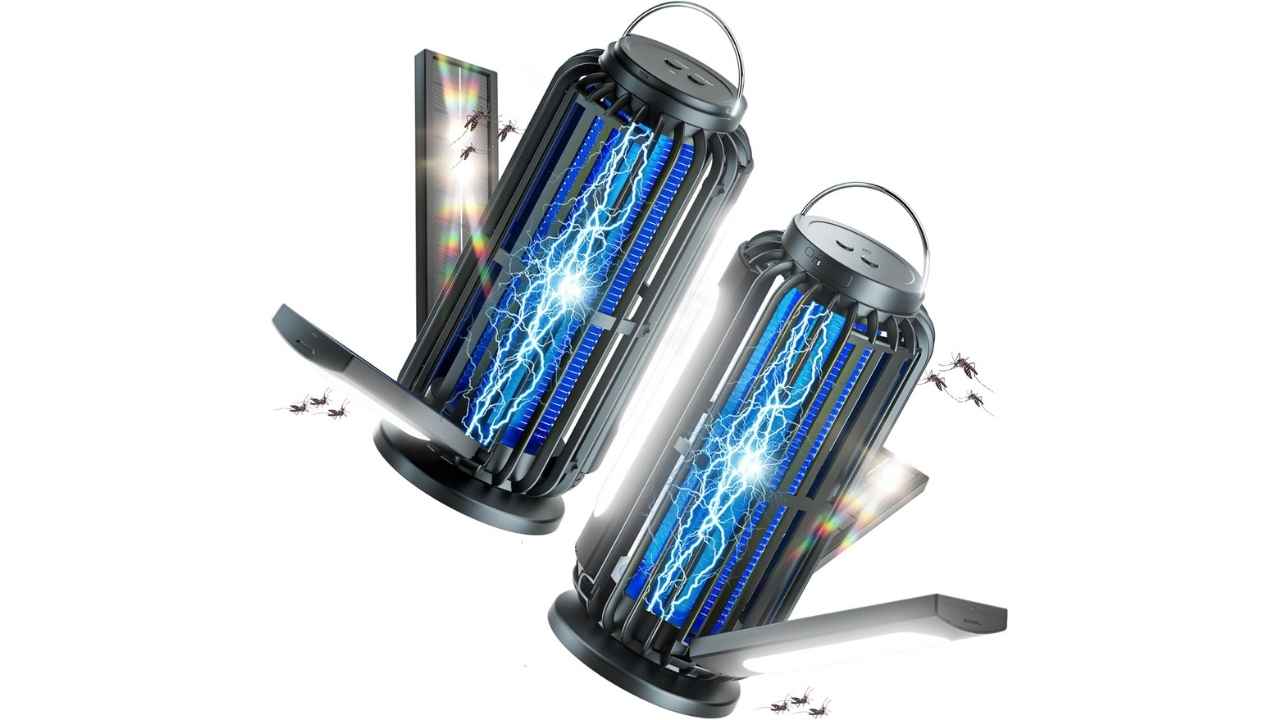 Outdoor essential TYPEC Solar Bug Zapper (36% off) Solar-powered bug zappers for patios and camping. |


