



Overpayment scams are on the rise, and they can leave victims thousands of dollars in debt. The setup usually looks harmless: someone sends you a check for more than the agreed amount, asks you to forward the difference, and disappears once the check bounces. Below are five of the most common overpayment scams you need to watch for today.

1) The dog walker overpayment scam
Bob from Harrison, OH, recently shared how he was nearly tricked by a scammer posing as a pet owner. The con began with a request for dog sitting. Bob was promised $250 for care and food, but then a fake check for $4,358 arrived.
The scammer instructed Bob to send $4,000 of it to an “appliance retailer.” Why an appliance retailer when the service was for dog sitting? Scammers often use a third party to make the request sound more believable. If they simply asked for the money back, it would raise red flags. By inventing another company, whether a retailer, shipping service, or contractor, they add urgency and legitimacy to the story. In reality, that “retailer” is just another front that the scammer controls. Here’s the catch: the check appears to be real, but it’s actually counterfeit. The bank may release the funds temporarily, but once it bounces, you’re on the hook for the entire amount.
Tip: If you’re asked to forward money to a third party, especially one unrelated to the original deal, treat it as a scam. Keep the check and envelope as evidence, and report it to the FTC and your state attorney general.

2) The online marketplace scam
Selling a couch, bike, or electronics online? Some buyers “accidentally” send too much. They then ask you to return the difference through Zelle, Venmo, or a wire transfer. Once the check or payment reverses, you’ve lost both the product and the money you returned.
Tip: Always insist on verified payment methods. If a buyer pushes you to refund quickly, walk away.
3)The mystery shopper scam
You might get an email or letter offering a job as a mystery shopper. They send you a large check to “test” stores by buying gift cards. You’re asked to send the gift card numbers back as proof of purchase. After the bank reverses the fake check, you’ve lost the money you spent on those gift cards.
Tip: Real companies never pay upfront with extra funds or ask for gift card codes by email.

4) The rental deposit scam
Scammers target renters by mailing a check for more than the deposit or rent. They claim it was a mistake and ask you to refund the difference. The check later bounces, leaving you stuck.
Tip: Only accept payments through secure online portals or in person with verified funds.
5) The work-from-home equipment scam
This one lures job seekers. The “employer” sends a large check to buy office equipment, then directs you to forward the extra funds to a vendor. Of course, the check is fake, and the supposed vendor is also the scammer.
Tip: Legitimate employers provide equipment directly or reimburse verified expenses, not through overpayments.
Watch the latest episode of The CyberGuy Report.

Missed this event? Sign up via the registration form and see our live recording.
See Kurt’s latest Amazon picks for useful gadgets, smart home upgrades and everyday tech worth grabbing while the deals last.

How to protect yourself from overpayment scams
Now that you’ve seen how these scams play out, from fake dog sitting gigs to marketplace frauds and bogus job offers, it’s clear they all follow the same playbook. Someone sends you too much money and pressures you to forward the extra. That “extra” never existed, and once the check bounces, you’re left holding the bag. The good news is, there are clear steps you can take to protect yourself and keep your money safe.
Pause before acting
Every scam in this article, from the dog walker hoax to rental deposit tricks, begins with an overpayment that looks harmless. If someone pays you more than you’re owed, it’s not a mistake. It’s a scam. Do not respond or send money to any third party. Save the check and envelope as evidence, then report it.
Verify funds with your bank
Scammers count on you trusting what you see in your account. In Bob’s case, his $4,358 check looked real because the bank showed it as “available.” But available isn’t the same as cleared. Always ask your bank to confirm when funds are fully verified before you spend a dime.
Avoid rushing
Urgency is the scammer’s strongest weapon. Marketplace fraudsters, renters, and fake employers will pressure you to “fix” the mistake right away. Slow down, double-check, and don’t let anyone force you into quick action.
Use secure payment systems
Whether it’s for rent, freelance work, or selling a used item, scammers prefer paper checks because they’re easy to fake. Stick with secure, traceable payment platforms or in-person verified funds. That way, you don’t get stuck when a check bounces.
Keep records of all communication
If you receive a suspicious check, save everything: the envelope, emails, texts, and any names used. In the dog sitting scam, Bob’s saved emails and the scammer’s phone number became valuable evidence. This documentation helps law enforcement and protects you if the scammer tries again under another identity.
Use a personal data removal service
Scammers often find victims by scraping personal details from online data brokers. That’s how they target renters, pet sitters, or job seekers. Using a personal data removal service can limit your exposure and make you harder to target in the first place. While no service can guarantee the complete removal of your data from the internet, a data removal service is really a smart choice. They aren’t cheap, and neither is your privacy. These services do all the work for you by actively monitoring and systematically erasing your personal information from hundreds of websites. It’s what gives me peace of mind and has proven to be the most effective way to erase your personal data from the internet. By limiting the information available, you reduce the risk of scammers cross-referencing data from breaches with information they might find on the dark web, making it harder for them to target you.
Incogni, a service I trust 100% and use myself, helps automate the process by submitting removal requests to hundreds of data brokers and people-search sites on your behalf.
Incogni automatically contacts data brokers on your behalf and requests the removal of your personal information. It also continues monitoring those sites and submits new removal requests if your data reappears.
- Incogni currently removes personal data from 420+ data broker and people-search websites, and its Unlimited plan allows you to request removals from as many additional sites as you need.
- Incogni has also received third-party assurance from Deloitte, validating its marketing claims.
- The goal is simple: make it much harder for strangers, scammers, and cybercriminals to find your personal information online.
CyberGuy readers get 60% off Incogni’s annual plans using the links in this article.
The service also includes a 30-day money-back guarantee, so you can try it risk-free and see how much of your information is exposed online.
Is your personal information exposed online?
Run a free scan to see if your personal info is compromised. Results arrive by email in about an hour.
Enable fraud alerts with your bank
Many banks let you set fraud alerts for large deposits or unusual transactions. Turning these on gives you a chance to review suspicious activity before a scammer pressures you into acting on it.
Report scams
Just like Bob did when he cut contact with the fake pet owner, reporting scams helps protect others. File with the FTC at reportfraud.ftc.gov and your state attorney general. You can also alert your local police and community groups to stop scammers from targeting someone else.
Kurt’s key takeaways
Overpayment scams prey on trust and urgency. They can pop up in online sales, job offers, rental agreements, and even friendly community boards. By knowing the warning signs, you can stop scammers before they reach your wallet. Stay cautious whenever you’re asked to deposit more than expected and forward the extra. If it sounds strange, it’s probably a scam.
What should be done to stop overpayment scams now that they’ve gotten out of hand? Let us know your thoughts in the comments below.
FOR MORE OF MY TECH TIPS & SECURITY ALERTS, SUBSCRIBE TO MY FREE CYBERGUY REPORT NEWSLETTER HERE
Copyright 2025 CyberGuy.com. All rights reserved. CyberGuy.com articles and content may contain affiliate links that earn a commission when purchases are made.
🎙 Now Streaming: My New Podcast: The CyberGuy Report
Kurt’s Top Deals
Deals move fast and inventory can be limited, so don’t wait too long.
| 🔥 Editor’s pick  Summer entertaining Ninja SLUSHi Machine (26% off) Frozen drinks and slushies at home in minutes. | |
| 💰 Top deal 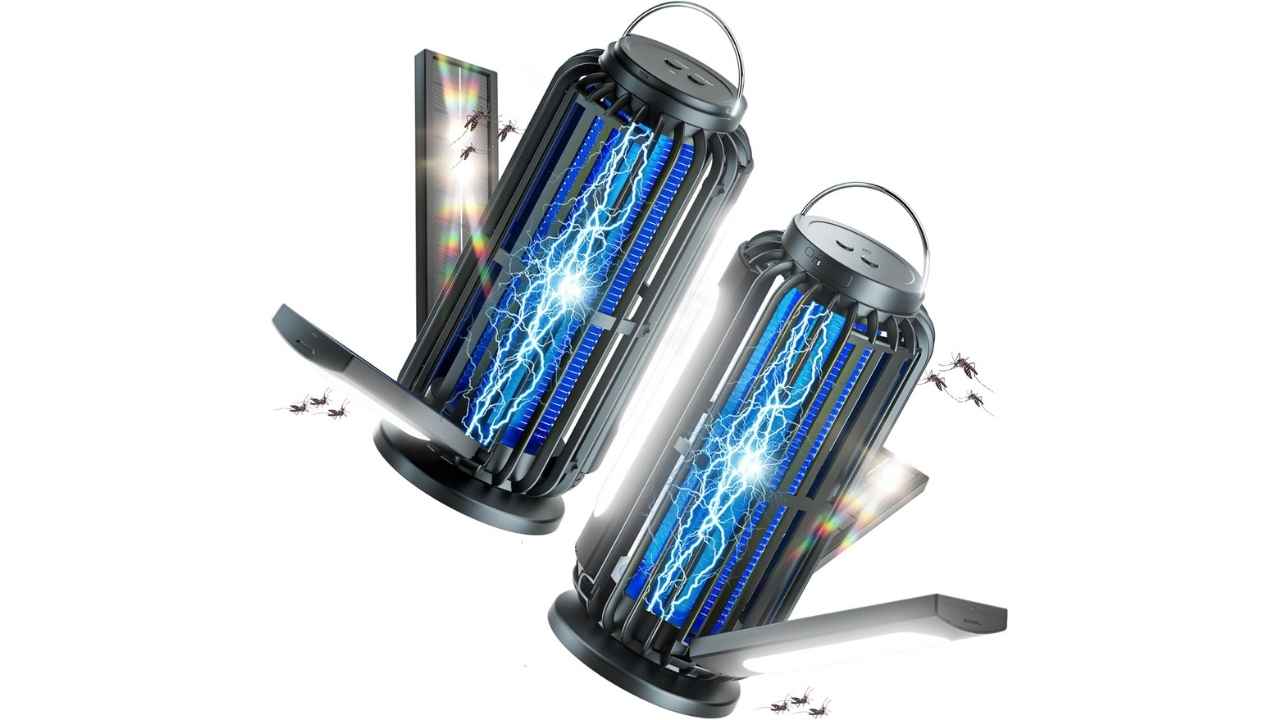 Outdoor essential TYPEC Solar Bug Zapper (36% off) Solar-powered bug zappers for patios and camping. |


