


With the holidays approaching, many people are getting ready to share the joy with gift cards. These easy, go-to presents are also one of the top targets for scammers. Up next, we’ll reveal six sneaky tricks crooks use to drain your balance and show you simple ways to protect your money.

1) Display rack gift card trick
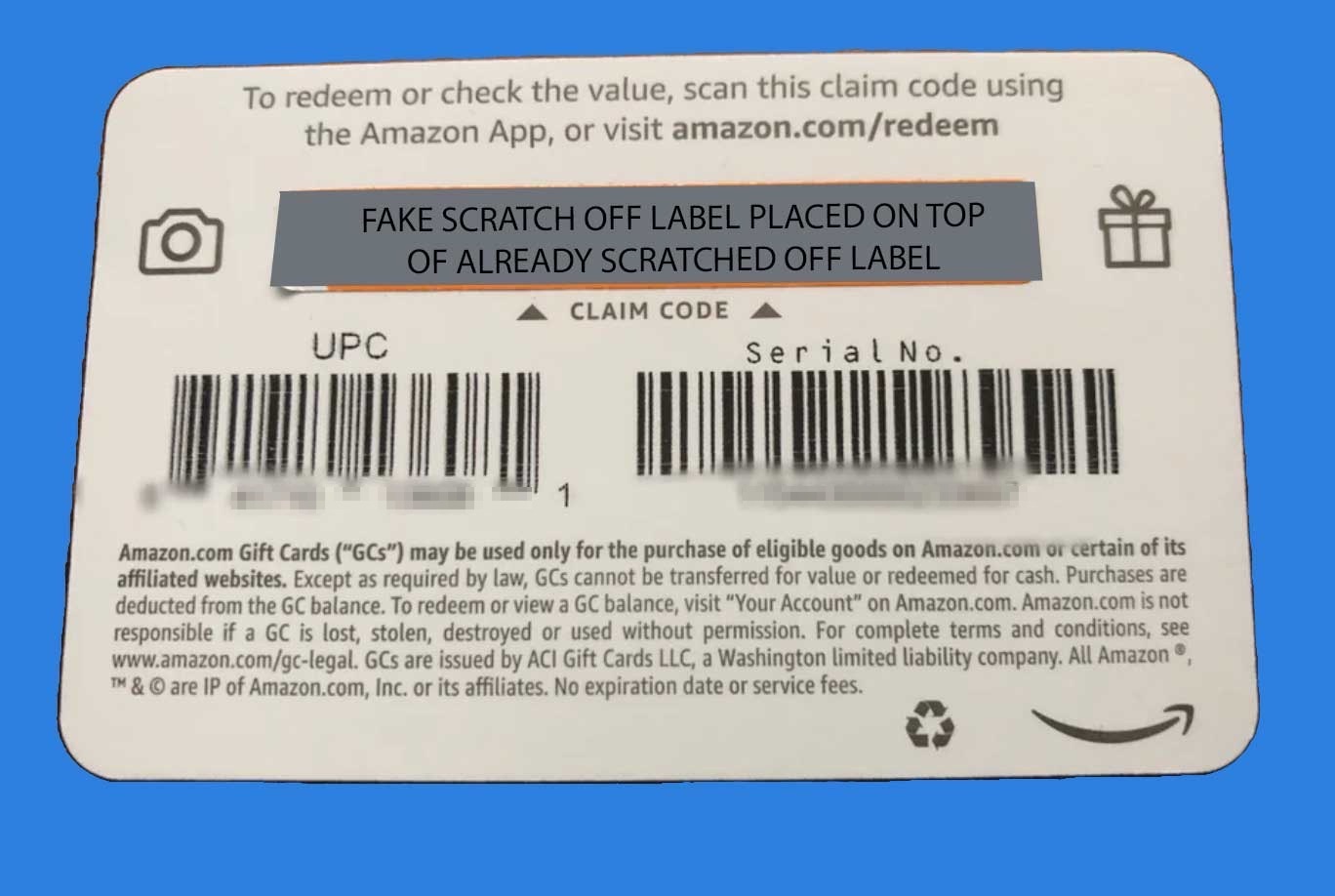
A growing scam involves tampering with gift cards right on store display racks. Scammers either record the card’s activation code or place a fake barcode sticker over the real one. Once you buy the card, the scammers can transfer the funds to their own card within minutes. By the time you or your recipient tries to use it, the balance is already gone.
How to avoid this scam
Inspect the packaging closely before buying. Watch for torn wrapping, resealed edges, or stickers covering the barcode or card number. To stay safer, grab a card from the back of the rack since scammers usually target the ones in front.
2) Impersonation gift card trick
Scammers often pose as someone you know or trust, a friend, family member, romantic partner, business, or government agency. They may reach out by phone, text, email, or social media with a false story or urgent problem that demands quick action.
They’ll ask you to buy gift cards and share photos of the cards or the numbers on the back. Once they have that information, they disappear with your money.
How to avoid this scam
Never send money or gift cards to anyone you haven’t met in person. If something feels off, confirm the person’s identity through another method.
Don’t rely on caller ID since scammers can fake phone numbers. Avoid reacting to threats or emotional pleas. No legitimate company or agency will ever request payment through gift cards.
3) Resale gift card trick
Another gift card trick involves buying or selling gift cards on online platforms, such as websites, apps, or social media groups. Scammers will offer to sell you gift cards at a discounted price or buy your unwanted gift cards for cash.
However, they will either send you a fake or empty gift card or take your gift card information and money without sending you anything in return. They may also use stolen credit cards or hacked accounts to buy or sell gift cards, which can put you at risk of fraud or identity theft.
How to avoid this scam
Only buy or sell gift cards from reputable sources, such as official retailers, authorized resellers, or trusted friends and family. Avoid buying or selling gift cards from strangers online, especially if they offer a deal that sounds too good to be true. Don’t share your gift card information or personal details with anyone you don’t know or trust. And use a secure payment method that offers protection, such as a credit card or PayPal, instead of a gift card, wire transfer, or cash.

4) Phishing gift card trick
A very popular gift card trick this holiday season involves phishing, which is a type of online fraud that tries to trick you into revealing your personal or financial information. Scammers will send you an email, text, or pop-up message that looks like it comes from a legitimate company, such as a retailer, a bank, or a tech support service.
They will claim that there is a problem with your account, your order, your device, or your security, and that you need to verify your identity, update your information, or fix an issue. They will then ask you to click on a link, open an attachment, or call a number, and then request that you pay them with a gift card or provide them with your gift card information.
How to avoid this scam
Never click on links, open attachments, or call numbers from unsolicited messages, as they may lead to fake or malicious websites or software. Don’t provide any personal or financial information, such as your passwords, PINs, account numbers, or gift card numbers, to anyone who contacts you unexpectedly.
Don’t trust messages that create a sense of urgency, pressure, or fear, as they are designed to make you act without thinking. If you have any doubts about the legitimacy of a message, contact the company directly using a verified website, phone number, or email address.
Using antivirus protection will help to protect you against scammers and hackers who try to steal your money and personal information using gift card tricks, especially through phishing. The best way to protect yourself from clicking on any malicious links, fake websites, phishing emails, and text messages is to have strong antivirus protection installed and actively running on all your devices. It’s the best to help stop and alert you of any malware in your system and ultimately protect you from being hacked.

5) Loyalty program gift card trick
This scam targets loyalty programs that reward customers with points, discounts, or free items. Fraudsters pretend to be representatives from a loyalty program you belong to or one you can join. They’ll claim you’ve won a prize, sweepstakes, or promotion and need to pay a small fee, tax, or shipping charge to claim it. Once you send a gift card or share its details, they take the money and disappear.
How to avoid this scam
Be cautious of surprise messages claiming you’ve won something, especially if you never entered a contest. Legitimate loyalty programs don’t require fees to release prizes. Never share personal or financial details, including gift card numbers, with anyone who contacts you unexpectedly.
Avoid messages that play on excitement or urgency – they’re meant to push quick reactions. When in doubt, verify directly with the loyalty program using its official website, phone number, or email.

6) Fake balance checker scam
Scammers create fake websites or phone numbers that claim to check your gift card balance. They trick you into entering your card number and PIN to “verify” it. Once they have that information, they steal the balance within minutes.
How to avoid this scam
Always check your gift card balance through the official website or app of the retailer. Ignore calls or messages asking for your card details, even if they appear to come from a trusted company. Never type gift card information on unfamiliar or unverified sites.

How to safely give and receive gift cards
Scammers are getting more creative every season, but a few smart moves can keep your money and personal information safe. Follow these practical tips to enjoy the convenience of gift cards without falling into a trap.
1) Buy gift cards online from trusted sources
Buy gift cards online instead of physical cards directly from the store, not from third parties. You can also use these favorite sites and apps that will reward you with a % back on all gift card purchases.
2) Avoid display racks at retail stores
If you buy in person, choose cards from the back of the rack and check for any signs of tampering before paying.
3) Register your gift cards
Registering cards with the retailer helps track balances and adds a layer of security in case of fraud.
4) Ignore suspicious calls or requests
Anyone demanding payment through gift cards is likely a scammer. Hang up, delete the message, and report it.
5) Skip online auction sites
Avoid buying gift cards from places like eBay, where cards can be counterfeit, expired, or already used.
6) Protect your personal and financial info
Only provide payment details needed to complete your purchase. Never share banking or personal data with unverified sellers.
7) Use strong antivirus protection
Strong antivirus software is a must-have to protect against scammers and hackers who try to steal your money and personal information using gift card tricks, especially through phishing. The best way to protect yourself from clicking on any malicious links, fake websites, in phishing emails and text messages is to have antivirus protection installed and actively running on all your devices. It’s the best to help stop and alert you of any malware in your system and ultimately protect you from being hacked.
- Strong real-time protection against viruses, malware, ransomware and hacking attempts
- AI-powered scam protection to help identify suspicious emails, texts and websites
- Built-in password manager to securely store and manage logins
- 2 GB PC cloud backup to help protect important files from ransomware or hardware failure
- Smart firewall and phishing protection
- Protects 1, 3 or 5 devices
- Available for Windows, macOS, Android and iOS
- Includes real-time threat protection, smart firewall and phishing protection to guard against online attacks
8) Match receipt and card numbers
Check that the number on your receipt matches the one on the card. If they don’t, contact the retailer right away to confirm activation.
9) Use a personal data removal service
Scammers collect personal data from online brokers to create targeted scams. A service like Incogni can help remove your exposed information and reduce your risk.
Incogni, a service I trust 100% and use myself, helps automate the process by submitting removal requests to hundreds of data brokers and people-search sites on your behalf.
Incogni automatically contacts data brokers on your behalf and requests the removal of your personal information. It also continues monitoring those sites and submits new removal requests if your data reappears.
- Incogni currently removes personal data from 420+ data broker and people-search websites, and its Unlimited plan allows you to request removals from as many additional sites as you need.
- Incogni has also received third-party assurance from Deloitte, validating its marketing claims.
- The goal is simple: make it much harder for strangers, scammers, and cybercriminals to find your personal information online.
CyberGuy readers get 60% off Incogni’s annual plans using the links in this article.
The service also includes a 30-day money-back guarantee, so you can try it risk-free and see how much of your information is exposed online.
Is your personal information exposed online?
Run a free scan to see if your personal info is compromised. Results arrive by email in about an hour.
I’ve been scammed! What to do next?
Below are some next steps if you find you or your loved one is a victim of identity theft as a result of a gift card trick by scammers or hackers.
1) Regain control of your accounts
Change all passwords immediately and notify your account providers. This helps secure access and prevents scammers from causing further harm.
2) Review bank and credit statements
Check every recent transaction for suspicious activity or charges you don’t recognize. Identifying when and where the problem began will help your bank’s investigation.
3) Use an identity theft protection service
Identity theft protection services can monitor your personal information, including your Social Security number, phone number, and email address. They alert you if your data appears on the dark web or is used to open new accounts. These services can also help freeze your credit cards and bank accounts, cover financial losses, and connect you with a U.S.-based fraud recovery team.
One of the best parts of my top pick, Aura Identity Protection, is its all-in-one approach to safeguarding your personal and financial life. Aura includes identity theft insurance of up to $1 million per adult to cover eligible losses and legal fees, plus 24/7 U.S.-based fraud resolution support with dedicated case managers ready to help restore your identity fast.
Exclusive CyberGuy deal: Save up to 68% today: Get Aura’s award-winning identity theft protection and credit monitoring for as low as $9/month when billed annually.
See my full list of trusted identity theft protection services and expert tips to stay safe online.
4) Report the scam
Notify the Federal Trade Commission (FTC) and the gift card company about the fraud. Reporting helps track criminal activity and may support recovery efforts.
5) Seek legal guidance
Before speaking with law enforcement, consider getting advice from a lawyer, especially if criminal identity theft has affected your ability to work or secure housing.
6) Contact the credit bureaus
Alert Equifax, Experian, and TransUnion about the fraud. You may also want to place a temporary fraud alert on your credit report to prevent new accounts from being opened in your name.
7) Run a background check
If you suspect your personal data has been used by a criminal, run your own background check or request a copy of the report tied to your name.
If you are a victim of identity theft because of a gift card scam, the most important thing to do is to take immediate action to mitigate the damage and prevent further harm.
Related Links:
- Don’t let this credit card fraud nightmare happen to you
- How to not fall for charity scams before the holiday season
- Best Credit Cards for Seniors and Retirees 2025
Kurt’s key takeaways
As we head into the holiday season, it’s important to keep an eye out for these 6 gift card scams we’ve talked about. If something feels off or sounds too good to be true, trust your gut and don’t be afraid to ask questions or walk away. Gift cards are meant to bring joy, not stress, so keep these tips in mind as you shop and share this season.
Have you ever fallen victim to a gift card scam? If so, how did it happen, and what did you do? Let us know in the comments below.
TO GET MORE OF MY SECURITY ALERTS, SUBSCRIBE TO MY FREE CYBERGUY REPORT NEWSLETTER
Deals: Unbeatable Holiday deals | Laptops | Desktops | Printers
Best gifts for Men | Women | Kids | Teens | Pet lovers
For those who love: Cooking | Coffee | Tools | Travel | Wine |
Devices: Laptops | Desktops | Printers | Monitors | Earbuds | Headphones | Kindles | Soundbars | Vacuums | Surge strips and protectors
Accessories: Car | Kitchen | Laptop | Keyboards | Phone | Travel | Keep It Cozy
Can’t go wrong with these: Gift Cards | Money-saving apps | Amazon Black Friday insider tips | Stocking Stuffers
Copyright 2025 CyberGuy.com. All rights reserved. CyberGuy.com articles and content may contain affiliate links that earn a commission when purchases are made.
🎙 Now Streaming: My New Podcast: The CyberGuy Report
Kurt’s Top Deals
Deals move fast and inventory can be limited, so don’t wait too long.
| 🔥 Editor’s pick  Summer entertaining Ninja SLUSHi Machine (26% off) Frozen drinks and slushies at home in minutes. | |
| 💰 Top deal 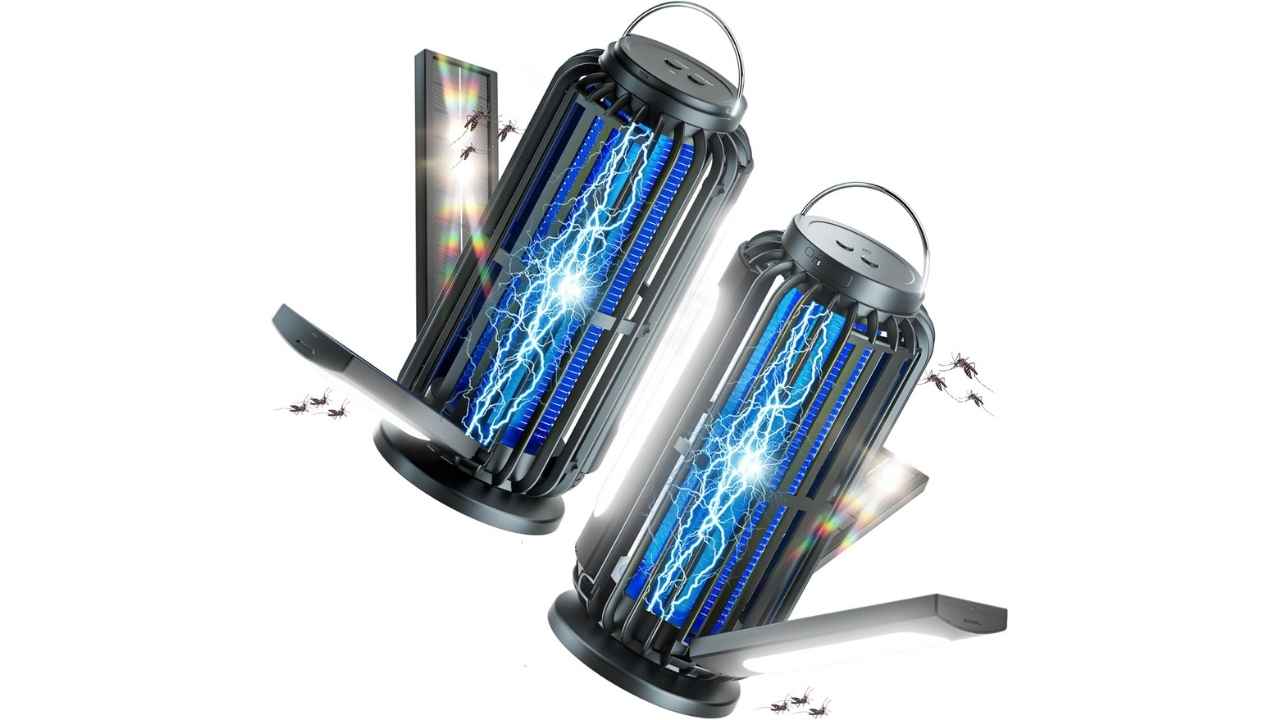 Outdoor essential TYPEC Solar Bug Zapper (36% off) Solar-powered bug zappers for patios and camping. |