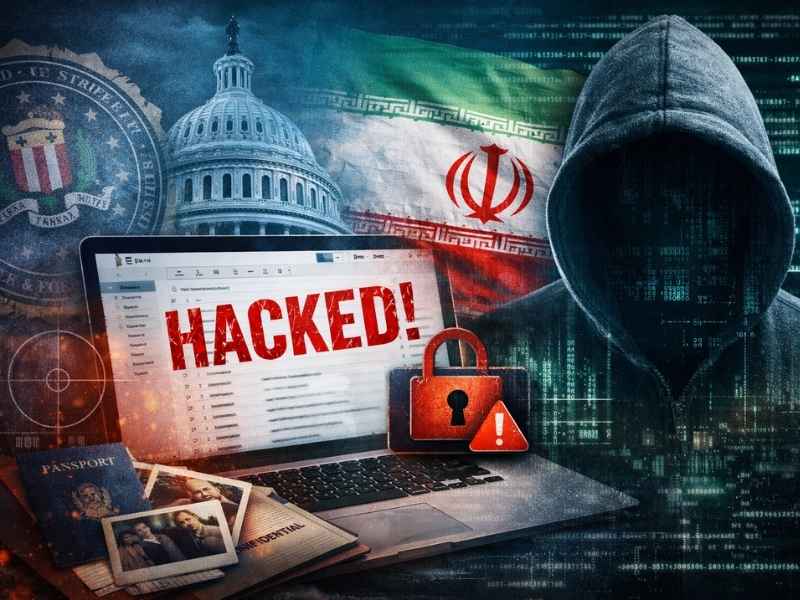



- Malicious actors targeted the FBI director’s personal email, not official government systems.
- A group known as the Handala Hack Team claimed responsibility for posting stolen emails and files.
- Personal accounts are now a key target in cyberattacks because they are often easier to breach.
- Simple steps like 2FA, strong passwords and passkeys can significantly reduce your risk.
Here’s the uncomfortable truth. If someone can break into the personal email of the head of the Federal Bureau of Investigation, your inbox is not off limits.
Malicious actors targeted the personal email account of FBI Director Kash Patel, according to the FBI, and a group known as the Handala Hack Team in Iran has claimed responsibility for posting photos and documents online.
No classified systems were breached. But that is not the point. The real story is this. The front lines of cyber warfare now run straight through personal accounts like yours.

What happened in the FBI director’s email hack
Hackers gained access to FBI Director Kash Patel’s personal email account, not any official FBI systems. The stolen material included photos, travel details and older messages that spanned more than a decade, with emails dating from around 2011 through 2022.
The FBI said “malicious actors” targeted Patel’s personal email account but did not attribute the attack to a specific country. A group known as the Handala Hack Team, which operates out of Iran, has claimed responsibility for the breach.
The Federal Bureau of Investigation says no government or classified data was compromised. The U.S. State Department is offering up to a $10 million reward for information leading to the identification of members of the Handala Hack Team. CyberGuy reached out to the FBI for comment, but did not receive a response before our deadline.
A cybersecurity expert described the exposed material as a “personal junk drawer.” That detail is what makes this incident hit close to home. Most people have one too.
The threat is real and it is getting more sophisticated
This does not appear to be random. U.S. officials have warned for years that foreign government-linked hackers, including groups associated with Iran, have targeted Americans, especially those connected to government or politics. These campaigns often ramp up during periods of geopolitical tension. Similar actors have previously targeted individuals tied to the Trump administration, including:
- Donald Trump Jr.
- Todd Blanche
- Lindsey Halligan
These groups also hit private companies. In one recent case, hackers claimed responsibility for disrupting operations at a U.S. medical device company and spreading propaganda tied to geopolitical events. This is coordinated. It is persistent. And it is not slowing down.

Why your everyday tech is now part of the battlefield
Cyber warfare used to target government systems. Now it targets you. Why? Because personal accounts are easier to break into. They are often protected by reused passwords, old emails and weak security habits.
Once hackers get in, they can:
- Map out your life through old messages
- Steal personal photos or financial details
- Impersonate you in scams
- Use your contacts to spread attacks
In simple terms, your digital life can be used against you or someone you know.
Watch the latest episode of The CyberGuy Report.

Missed this event? Sign up via the registration form and see our live recording.
See Kurt’s latest Amazon picks for useful gadgets, smart home upgrades and everyday tech worth grabbing while the deals last.

What you need to do right now to lock down your tech
I know it can sound intimidating, but it really comes down to this. You don’t need special skills, just a few smarter habits starting today.
1) Turn on two-factor authentication everywhere
Two-factor authentication (2FA) is one of the strongest defenses you have. Even if someone steals your password, they cannot get in without the second code. Focus on your email first. That is the master key to everything else.
2) Stop reusing passwords
If you reuse one password across accounts, one breach can unlock your entire digital life. Use a password manager like NordPass and create unique passwords for each account.
3) Clean out your “digital junk drawer”
Remember that phrase from the FBI case? Old emails, documents and attachments can expose years of your life. Go back and delete anything you no longer need, especially files that contain personal, financial or travel details. For anything important, move it to a secure location instead of leaving it sitting in your inbox. You can also check out CyberGuy’s 5 digital clean-up tips you didn’t know you needed to reduce long-term clutter and limit what attackers could access if your account is ever compromised.
4) Watch for highly targeted phishing
These attacks are getting more convincing. Hackers can use stolen data to craft emails that look personal and real. Always double-check links and sender addresses before clicking. Use strong antivirus software such as Norton Antivirus Plus (CyberGuy Deal: 58% off) that can detect suspicious links, block malicious downloads and warn you before you interact with a dangerous site. Think of it as an extra layer of defense you do not have to think about.
5) Consider using a data removal service
Even if you clean up your inbox, your personal information may already be circulating online through data broker sites. These companies collect and sell details like your address, phone number and even past activity. A data removal service like Incogni can help automatically request the removal of your information from hundreds of these sites, reducing what hackers can find and use against you.
Incogni, a service I trust 100% and use myself, helps automate the process by submitting removal requests to hundreds of data brokers and people-search sites on your behalf.
Incogni automatically contacts data brokers on your behalf and requests the removal of your personal information. It also continues monitoring those sites and submits new removal requests if your data reappears.
- Incogni currently removes personal data from 420+ data broker and people-search websites, and its Unlimited plan allows you to request removals from as many additional sites as you need.
- Incogni has also received third-party assurance from Deloitte, validating its marketing claims.
- The goal is simple: make it much harder for strangers, scammers, and cybercriminals to find your personal information online.
CyberGuy readers get 60% off Incogni’s annual plans using the links in this article.
The service also includes a 30-day money-back guarantee, so you can try it risk-free and see how much of your information is exposed online.
Is your personal information exposed online?
Run a free scan to see if your personal info is compromised. Results arrive by email in about an hour.
6) Keep your devices updated
Updates fix known security flaws. Delaying them gives attackers a window to exploit your device.
7) Separate your digital life
Use different email accounts for banking, shopping and personal communication. This limits the damage if one account is compromised. Consider using email aliases, which are alternate addresses that forward to your main inbox. For example, you can use one alias for online shopping and another for signups. If one alias gets exposed or starts receiving spam, you can disable it without affecting your primary email account.
You can get an Exclusive deal for CyberGuy readers: 50% off: $23.98 for first year ($2.50 per month, billed annually). Includes a free 7-day trial.
Some of StartMail's best perks include:
- StartMail email address
- 20 GB of email
- Unlimited aliases
- Access email on any device
- Import your contacts easily
- No ads, no tracking
- Send encrypted emails to anyone
Why it matters: You stay anonymous, avoid data leaks, and never have to change your main email address again.
8) Use passkeys where available
Passkeys replace passwords with a secure login tied to your device or biometrics. They cannot be reused or phished, which makes them one of the safest ways to protect your accounts today.
Related Links:
- Iran cyberattack blackout and war risks
- Iran’s growing cyber threat should have every American on alert
- Hospital cyberattacks threaten patient safety
Kurt’s key takeaways
The U.S. is facing capable cyber adversaries. Hacker groups have shown they can keep pushing, adapt quickly and target both institutions and individuals. At the same time, the most common entry point is still simple. A weak password. An old email account. A moment of inattention. That means the first line of defense is not just government agencies. It is you.
What’s one thing you’ve done or haven’t done to protect your accounts that still worries you? Let us know your thoughts in the comments below.
FOR MORE OF MY TECH TIPS & SECURITY ALERTS, SUBSCRIBE TO MY FREE CYBERGUY REPORT NEWSLETTER HERE
Copyright 2026 CyberGuy.com. All rights reserved. CyberGuy.com articles and content may contain affiliate links that earn a commission when purchases are made.
🎙 Now Streaming: My New Podcast: The CyberGuy Report
Kurt’s Top Deals
Deals move fast and inventory can be limited, so don’t wait too long.
| 🔥 Editor’s pick  Summer entertaining Ninja SLUSHi Machine (26% off) Frozen drinks and slushies at home in minutes. | |
| 💰 Top deal 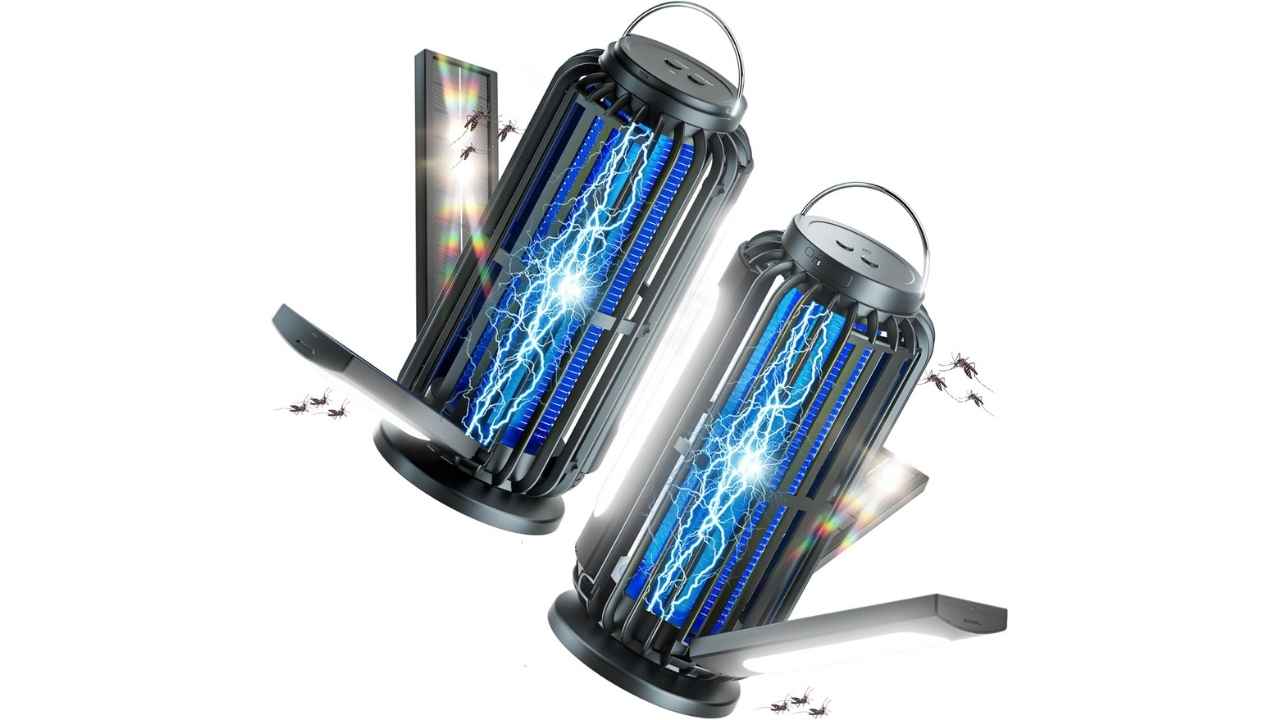 Outdoor essential TYPEC Solar Bug Zapper (36% off) Solar-powered bug zappers for patios and camping. |