


- Hospital cyberattacks can disrupt care, delay procedures and put patient safety at risk.
- AI-powered impersonation now targets hospital staff to steal credentials and bypass security.
- Breaches often expose medical histories, Social Security numbers and insurance data.
- Patients should monitor their medical records, insurance statements and credit reports after a breach.
If you watched a recent episode of The Pitt on Max, a streaming medical drama about life inside a high-pressure emergency department, you saw how quickly a hospital can spiral during a cyberattack. It made for gripping television. But in Mississippi, it was not a script. It was real life.
After a ransomware attack hit the University of Mississippi Medical Center, clinics across the state closed. Elective procedures were canceled. Phone systems and emails went down. Emergency care continued, but access to electronic medical records was disrupted.
When a hospital’s systems fail, the impact goes far beyond IT. It affects real people waiting for care. That is why hospital cyberattacks are no longer just a tech problem. They are a public safety issue.

Why hospitals have become prime targets
Hospitals cannot afford downtime. When systems fail, patient care is immediately affected, and the pressure to restore operations is intense. Ricardo Amper, founder and CEO of Incode Technologies, a digital identity verification and biometric authentication company, explains the reality.
“Hospitals are in a uniquely difficult position. If systems go down, patient care is immediately affected. That creates real pressure to restore operations fast, which is why ransomware groups often target healthcare.” He points to another major factor driving hospital cyberattacks. “Hospitals hold some of the most sensitive data that exists, including medical records, identity information and insurance details. That combination of urgency and high-value data makes them very attractive targets.”
Healthcare systems also rely on vendors and service providers. One weak link can open the door. “In healthcare, you’re only as secure as the entire ecosystem around you,” Amper said.
How AI-Powered impersonation is changing the game
Many people imagine hackers breaking through firewalls. That still happens. But today, attackers often target people instead of systems. “What we’re seeing more and more is that attacks aren’t always about breaking into systems, they’re about tricking people,” Amper said.
Artificial intelligence has made impersonation easier and scalable. Criminals can clone voices, generate convincing emails or create deepfake videos that appear to come from a trusted doctor, vendor or IT administrator. “AI doesn’t replace social engineering, it supercharges it.”
In practical terms, that might mean an employee receives what looks like a legitimate request to reset a password or approve a login. One click can open the door. “An employee is tricked into giving up credentials or approving a fraudulent authentication request. The attacker logs in as a legitimate user, and from there, they move quietly through internal systems,” Amper explained. Because the activity appears to come from a real employee, it may go undetected until significant damage is done.

Why hospitals are especially vulnerable to cyberattacks
Inside a hospital, speed matters. Decisions happen quickly, and staff move from one urgent task to the next. That constant pressure creates opportunities for attackers who rely on deception. “Healthcare professionals are focused on patients, not cybersecurity. They work in high-pressure environments where speed matters. That urgency can make it easier for attackers to exploit trust or distraction,” Amper said.
Many hospitals also operate with legacy systems layered over time. Security was often added after the fact rather than built in from the start. That complexity increases risk. He also challenges how leaders think about the problem. “One misconception is thinking of cybersecurity as just an IT problem,” Amper said.
Today’s hospitals depend on digital systems for intake, diagnostics and billing. When those systems fail, care delivery suffers. “Cybersecurity today is fundamentally about operational resilience. It’s about keeping the hospital running safely and continuously.”
Watch the latest episode of The CyberGuy Report.

Missed this event? Sign up via the registration form and see our live recording.
See Kurt’s latest Amazon picks for useful gadgets, smart home upgrades and everyday tech worth grabbing while the deals last.
What happens to your data after a breach
When a hospital is breached, the exposed data often goes beyond a credit card number. “Breaches can expose medical histories, Social Security numbers, insurance information, billing details and contact data,” Amper said.
That combination is powerful. Criminals can use it for identity fraud, insurance fraud and highly targeted scams. Unlike a credit card, a medical identity cannot simply be replaced. “Stolen medical data can’t simply be canceled and replaced. That makes it especially valuable and long-lasting in criminal markets.”
The impact may not show up right away. “The impact isn’t always immediate; it can surface months or even years later.”

How hospitals can strengthen defenses
Identity now sits at the center of cybersecurity. “Identity has become the front line of cybersecurity. If an attacker can successfully impersonate a trusted user, many traditional defenses can be bypassed,” Amper said. Stronger identity verification, layered authentication and systems that can detect impersonation or deepfakes are becoming essential. The more certain a hospital is about who is accessing its systems, the harder it becomes for attackers to move quietly.
How to check if your information is on the dark web
After a hospital breach, many patients worry about whether their data has been sold or shared. One simple step is checking whether your email address appears in known data breaches. You can visit haveibeenpwned.com and enter your email address into the search bar. The site will show whether your information has appeared in past breaches tied to that email. If your email appears in a breach, take action immediately. Change passwords for affected accounts and make sure each account uses a unique password.
What patients should do after a hospital breach?
If you receive a breach notification letter, do not panic. But do act. Amper offers clear guidance. “First, stay calm but take it seriously. Read the notice carefully and enroll in any credit or identity monitoring services offered.”
Then take practical steps right away:
- Review insurance statements for unfamiliar claims
- Check medical records for incorrect diagnoses or procedures
- Monitor your credit reports
- Consider placing a free credit freeze with the major credit bureaus if your Social Security number was exposed
- Enable two-factor authentication (2FA) on email, financial and healthcare accounts wherever it is available
- Be cautious of emails or calls referencing the breach
- Reducing the amount of personal information available on data broker sites with a data removal service such as Incogni can also limit how easily scammers craft convincing follow-up attacks using your real details.
Incogni, a service I trust 100% and use myself, helps automate the process by submitting removal requests to hundreds of data brokers and people-search sites on your behalf.
Incogni automatically contacts data brokers on your behalf and requests the removal of your personal information. It also continues monitoring those sites and submits new removal requests if your data reappears.
- Incogni currently removes personal data from 420+ data broker and people-search websites, and its Unlimited plan allows you to request removals from as many additional sites as you need.
- Incogni has also received third-party assurance from Deloitte, validating its marketing claims.
- The goal is simple: make it much harder for strangers, scammers, and cybercriminals to find your personal information online.
CyberGuy readers get 60% off Incogni’s annual plans using the links in this article.
The service also includes a 30-day money-back guarantee, so you can try it risk-free and see how much of your information is exposed online.
Is your personal information exposed online?
Run a free scan to see if your personal info is compromised. Results arrive by email in about an hour.
“If something feels off, contact the hospital directly using official contact information. Don’t rely on links or numbers provided in unexpected messages.” He adds one final reminder. “Take your medical identity as seriously as your financial identity. Monitor your records, question anything unfamiliar and stay alert.”
Protect your accounts from long-term damage
Even if everything appears normal right now, take steps to secure your accounts. Credential leaks often surface weeks or months later.
- Consider identity theft protection. Identity monitoring services such as Aura can alert you if criminals try to open accounts in your name or misuse your personal information.
- Stop reusing passwords immediately. If attackers gain access to one working login, they often test it across dozens of websites automatically.
- Change reused passwords first, starting with email, financial and cloud accounts. Each account should have its own unique password.
- Consider using a password manager to generate and store strong passwords securely. You can also use breach scanning tools that alert you if your email address or passwords appear in future leaks.
- Install strong antivirus software on your devices to help detect malware, phishing links and credential-stealing threats that could target you after a breach.
Taking these steps now can prevent a hospital breach from turning into long-term identity damage later.
Related Links:
- Data removal vs identity monitoring: Which one do you need?
- Why is it so hard to find every data broker selling your information
- Your phone shares data at night: Here’s how to stop it
Kurt’s key takeaways
When hospital cyberattacks disrupt care, the consequences ripple across entire communities. Appointments get canceled. Surgeries are delayed. Families worry. This is not only about stolen records. It is about trust in the healthcare system. Technology has transformed medicine. It has also created new risks. The challenge now is building resilience into every layer of care. Because the next cyberattack will not feel like a TV episode. It will feel personal.
And that raises an uncomfortable question. If your local hospital went offline tomorrow, would you trust that your medical identity and your care are truly protected? Let us know your thoughts in the comments below.
FOR MORE OF MY TECH TIPS & SECURITY ALERTS, SUBSCRIBE TO MY FREE CYBERGUY REPORT NEWSLETTER HERE
Copyright 2026 CyberGuy.com. All rights reserved. CyberGuy.com articles and content may contain affiliate links that earn a commission when purchases are made.
🎙 Now Streaming: My New Podcast: The CyberGuy Report
Kurt’s Top Deals
Deals move fast and inventory can be limited, so don’t wait too long.
| 🔥 Editor’s pick  Summer entertaining Ninja SLUSHi Machine (26% off) Frozen drinks and slushies at home in minutes. | |
| 💰 Top deal 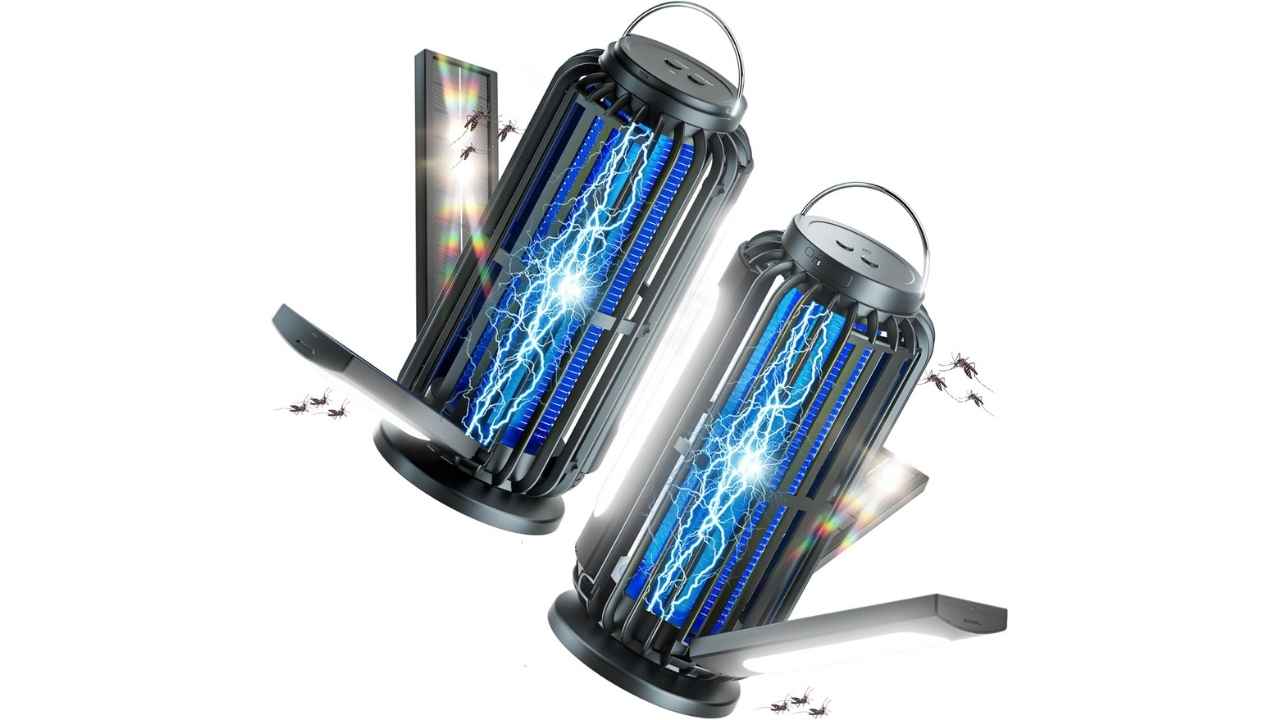 Outdoor essential TYPEC Solar Bug Zapper (36% off) Solar-powered bug zappers for patios and camping. |


