



Imagine a future where trucks zip along highways without leaving a trail of pollution behind them. That future is becoming a reality, thanks to Benore Logistic Systems, Inc., which has just added 14 Hyundai Xcient hydrogen-powered trucks to its fleet in Savannah, Georgia. This move showcases Benore’s commitment to sustainability and also positions the company as a trailblazer in the adoption of green technologies for freight transportation.

Credit: Benore Logistic Systems
A bold step toward sustainability
Benore Logistic Systems’ journey into hydrogen-powered logistics began with a small but significant step in 2022, when it rolled out its first four fuel-cell trucks. Building on that success, the company has now expanded its fleet with these additional 14 trucks. They’re operating on dedicated routes in Savannah, serving the Hyundai Motor Group Metaplant America (HMGMA), a facility that’s all about clean logistics operations. These trucks offer an impressive all-electric range of nearly 450 miles, marking a significant leap forward in sustainable transportation.
Dennis Kunz, Vice President of Revenue Strategy and Operation Development at Benore, highlighted the importance of this initiative: “These hydrogen fuel cell trucks represent a significant step forward for Benore and our ability to deliver innovative, sustainable logistics solutions.” It’s clear that Benore is serious about making a positive impact on the environment.
EXPLORING HYDROGEN-POWERED VEHICLES FOR THE FUTURE OF TRANSPORTATION
Strategic partnerships driving innovation
The deployment of these trucks is part of a broader collaboration between Benore, Hyundai Motor Group, and HTWO Logistics—a joint venture between Hyundai and Glovis America. Hyundai manufactures the trucks, HTWO oversees deployment, and Benore manages daily logistics to ensure seamless operations for the Glovis EV contract. This partnership shows just how committed Benore is to delivering innovative, sustainable solutions that align with its Just-In-Time and Just-In-Sequence operations.

Credit: Benore Logistic Systems
HYDROGEN POWERED RESCUE TRUCK JUST SMASHED A WORLD RECORD AND IT ONLY SPITS OUT WATER
Infrastructure supporting hydrogen logistics
To support this initiative, HydroFleet has invested $33 million in a hydrogen production and refueling hub near Savannah’s busy container port. This facility will initially refuel up to 21 trucks daily and can scale up to over 300 trucks per day in the future. Such infrastructure investments are crucial for expanding hydrogen-powered freight solutions across the region.
Industry trends and challenges
Benore’s adoption of hydrogen-powered trucks aligns with a growing industry trend, joining other major players like Werner and DHL Supply Chain in embracing this clean technology. Hyundai has emerged as North America’s leading supplier of hydrogen fuel-cell trucks, maintaining momentum despite setbacks faced by competitors such as Hyzon and Nikola. The increasing interest in hydrogen technology stems from its substantial potential to reduce emissions, with each Class 8 truck capable of eliminating over 400 metric tons of CO2 annually.
Watch the latest episode of The CyberGuy Report.

Missed this event? Sign up via the registration form and see our live recording.
See Kurt’s latest Amazon picks for useful gadgets, smart home upgrades and everyday tech worth grabbing while the deals last.
However, the transition to hydrogen fuel cell trucks is not without its hurdles. High initial costs pose a significant barrier, particularly for smaller companies, due to expensive fuel cell technology and specialized hydrogen storage systems. The slow development of hydrogen fueling infrastructure remains a critical challenge, impeding widespread adoption. Additionally, the current hydrogen production landscape, dominated by methane-based processes, falls short of the desired environmental benefits.
Technological refinement is ongoing, with continued testing needed to verify range estimates, assess performance across various conditions, and address maintenance issues affecting fueling station uptime. Achieving cost parity with diesel fuel is crucial for mass adoption, with estimates suggesting hydrogen needs to reach $4-$5 per kilogram to compete with diesel at $3-$4 per gallon.
Despite these obstacles, the potential for significant emissions reduction continues to drive interest and investment in hydrogen fuel cell technology for the trucking industry. As companies like Benore lead the way, the sector watches closely to see how these early adopters navigate the challenges and pave the way for a cleaner future in heavy-duty transportation.

Credit: Benore Logistic Systems
Hydrogen-powered vehicles: Addressing questions and challenges
Hydrogen-powered vehicles have ignited interest in their potential to revolutionize transportation. However, their adoption raises critical questions about cost, environmental impact, safety, and infrastructure. Below is a summary of key insights and challenges based on expert analysis.
Cost and feasibility
- High production costs: Hydrogen currently costs about $16.51 per gallon equivalent compared to diesel at $4.62, with significant energy (8,410 kWh) required for production. However, the price varies greatly depending on the region and production method.
- Energy efficiency concerns: Scaling hydrogen production to reduce costs remains a major challenge.
Environmental impact
- Green vs. grey hydrogen: While green hydrogen (produced via renewable energy) offers near-zero emissions, most hydrogen today is derived from fossil fuels (grey or blue hydrogen), which emit CO2 during production.
- Water vapor emissions: Though water vapor is a byproduct, its localized warming effects are minimal compared to CO2.
Safety considerations
- Flammability risks: Modern hydrogen storage tanks are designed to withstand extreme impacts, but public concerns about safety persist due to historical incidents like the Hindenburg disaster.
- Emergency Protocols: Innovations in tank durability and emergency response systems are crucial for public trust.
Performance in extreme conditions
- Hydrogen vehicles perform well across various temperatures but face challenges such as freezing water vapor emissions in cold climates. Integrated heating systems may mitigate these issues.
Infrastructure and Logistics
- Distribution challenges: Hydrogen requires specialized storage and refueling infrastructure. Converting existing gas stations could lower costs, but widespread adoption demands significant investment.
- Remote refueling solutions: Portable hydrogen generators are being developed to address refueling in isolated areas.
Comparison with electric vehicles (EVs)
- Hydrogen vehicles offer faster refueling times and lighter energy storage compared to EVs. However, hydrogen production is more energy-intensive, while EV batteries face sustainability concerns due to rare earth mining and recycling issues.
Broader barriers
- Economic and political hurdles, including high initial infrastructure costs and lobbying by traditional energy sectors, remain significant barriers to mass adoption.
Next steps for research
Key areas for future exploration include:
- Lifecycle emissions analysis to identify sustainable production methods.
- Innovations in safety protocols for hydrogen storage.
- Expanding hydrogen refueling infrastructure.
- Scaling production to make hydrogen cost-competitive with fossil fuels and EVs.
Hydrogen-powered vehicles represent a promising step toward sustainable transportation. However, their success hinges on overcoming economic, environmental, and logistical challenges through innovation and collaboration.
BIG RIGS DELIVER CARGO WITH NO HUMANS AT THE WHEEL
Kurt’s key takeaways
Benore Logistic Systems’ expansion into hydrogen-powered trucking is more than just a business move—it’s a statement about the future of logistics. By embracing cutting-edge technology and sustainable practices, Benore is setting an example for others in the industry. As Dennis Kunz aptly put it, these initiatives pave the way toward cleaner transportation solutions that benefit both the planet and future generations. With Savannah as a hub for innovation, this partnership marks a promising chapter in green logistics evolution. It’ll be interesting to see where this all will take us.
Do you think the potential benefits of hydrogen fuel cell trucks—such as zero emissions and faster refueling—could outweigh their current challenges, or are they destined to remain a niche technology? Let us know in the comments below.
FOR MORE OF MY TECH TIPS & SECURITY ALERTS, SUBSCRIBE TO MY FREE CYBERGUY REPORT NEWSLETTER HERE
🎙 Now Streaming: My New Podcast: The CyberGuy Report
Kurt’s Top Deals
Deals move fast and inventory can be limited, so don’t wait too long.
| 🔥 Editor’s pick  Summer entertaining Ninja SLUSHi Machine (26% off) Frozen drinks and slushies at home in minutes. | |
| 💰 Top deal 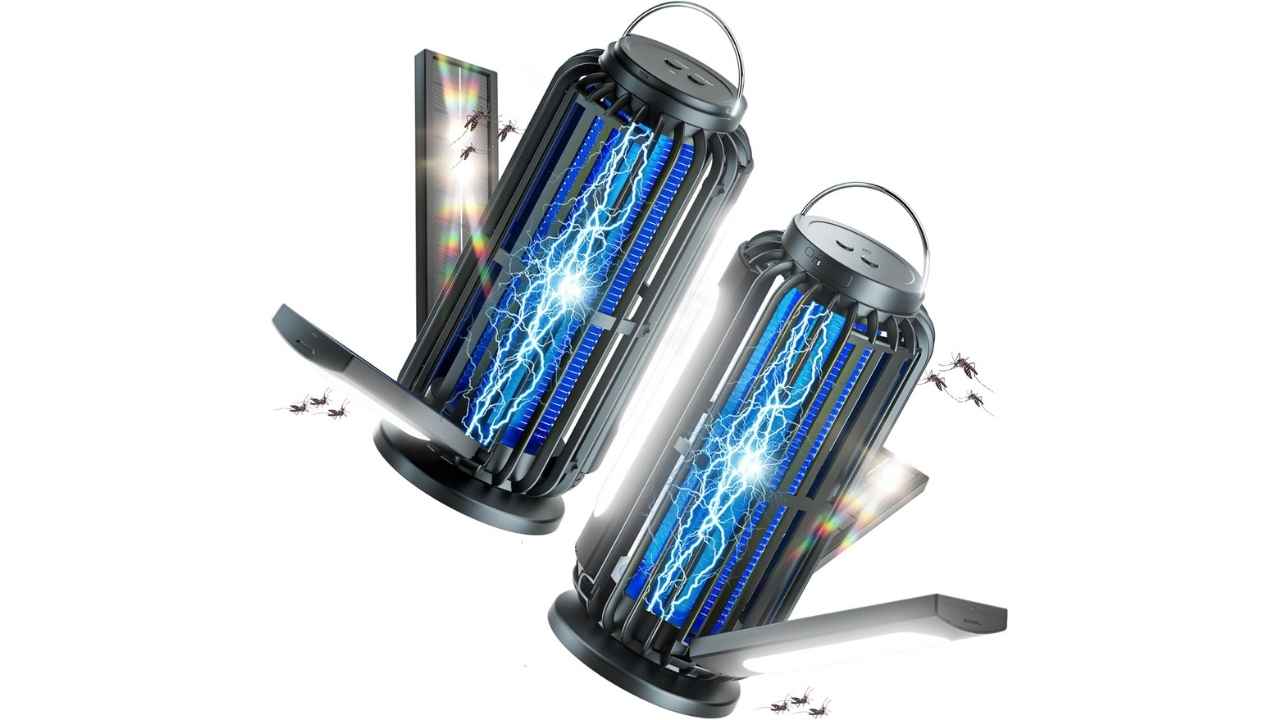 Outdoor essential TYPEC Solar Bug Zapper (36% off) Solar-powered bug zappers for patios and camping. |


3 comments
This is the technology we should be investing in. Fossil fuels are not great for the environment and will run out some day. The batteries for EV’s are hugely horrible for the environment when you consider how much strip mining needs to occure to get the rare earth minerals needed for them, and they will run out as well. Hydrogen, however, is the most abundant element in the universe. And the emissions is water. Forget EV’s, we need to go with hydrogen powered engines.
There is also developing technology in alternation hydrogen production / sourcing such as “deep hydrogen that holds potential for reducing the cost of hydrogen to competitive levels.
I like the idea of Hydrogen. The only question I have is: In a automobile or big rig, what would happen in an accident? Can there be a Hydrogen tank (gas tank) that will be able to withstand a major high speed crash or going over a cliff? That would be quite an explosion, I would think. Could there be a tank to be made that could not be damaged or punctured?