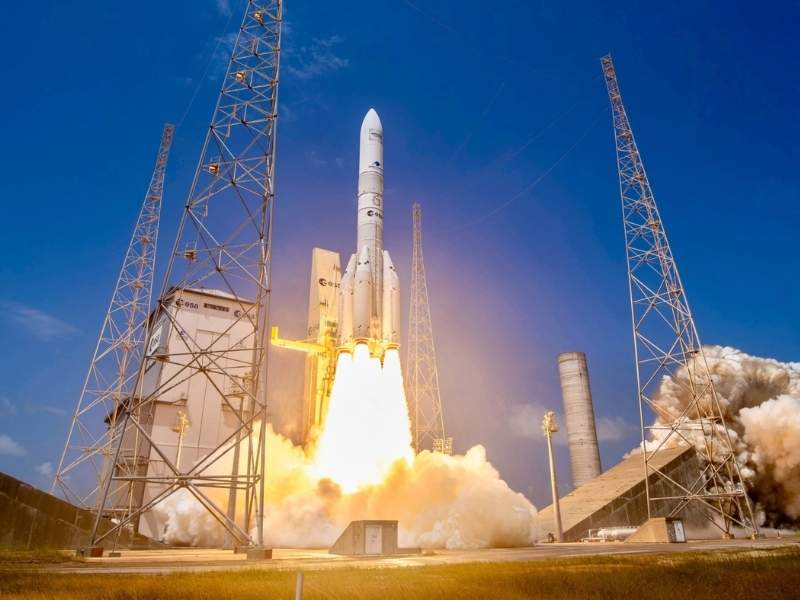



- Amazon Leo now has 396 satellites deployed and is preparing for limited service later this year.
- Starlink still has a major lead with wider coverage, more satellites and years of customer use.
- Amazon has airline deals with JetBlue and Delta that could bring Leo-powered Wi-Fi to flights.
- Leo could eventually help homes, phones and businesses in areas where regular internet falls short.
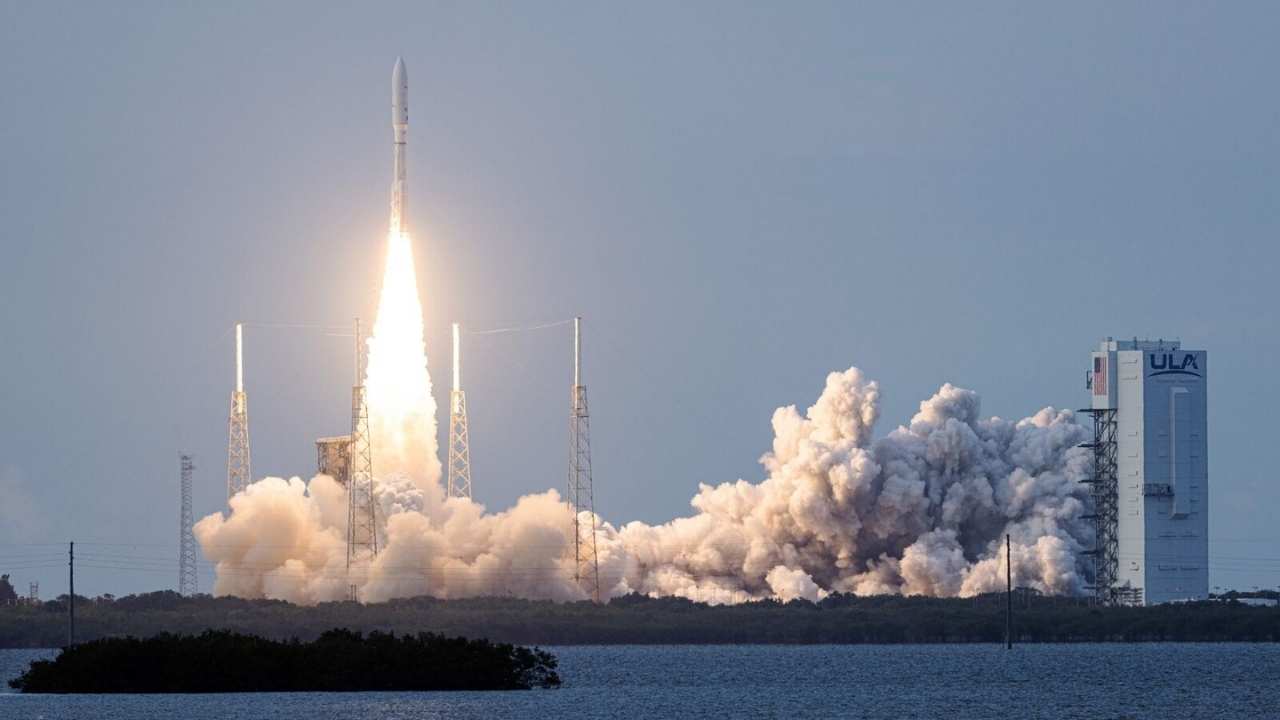
Amazon Leo satellite internet is getting closer to turning on service for customers. Amazon launched 29 more satellites into low Earth orbit on July 2, bringing its deployed total to 396 satellites, according to Amazon’s latest mission update. That launch gives Amazon enough satellites for an initial service rollout later this year. However, the newest satellites still need to move into their assigned operating positions before they can support customers.
That is a big step for Amazon. It also shows how far Amazon still has to go. Starlink has been building its network since 2019 and already has a much larger satellite fleet, wider coverage and more paying customers. So, should Starlink be nervous? Maybe. Should you expect Amazon Leo to replace your home internet right away? Probably not yet.

What is Amazon Leo satellite internet?
Amazon Leo is the new name for Project Kuiper, Amazon’s low-Earth-orbit satellite internet network. Amazon says the goal is to deliver fast internet to customers and communities that lack reliable broadband. The name “Leo” comes from low Earth orbit. These satellites fly much closer to Earth than older satellite internet systems. That shorter distance can help reduce lag during video calls, streaming or online work.
Amazon says the network will use satellites, ground stations, fiber and customer antennas to connect people from space. The company also plans to offer different antennas for homes, businesses and other customers. In other words, Amazon wants Leo to become a serious internet option for places where cable, fiber or 5G home internet fall short.
Credit: Amazon
Amazon Leo wraps Atlas V launches and moves to Vulcan
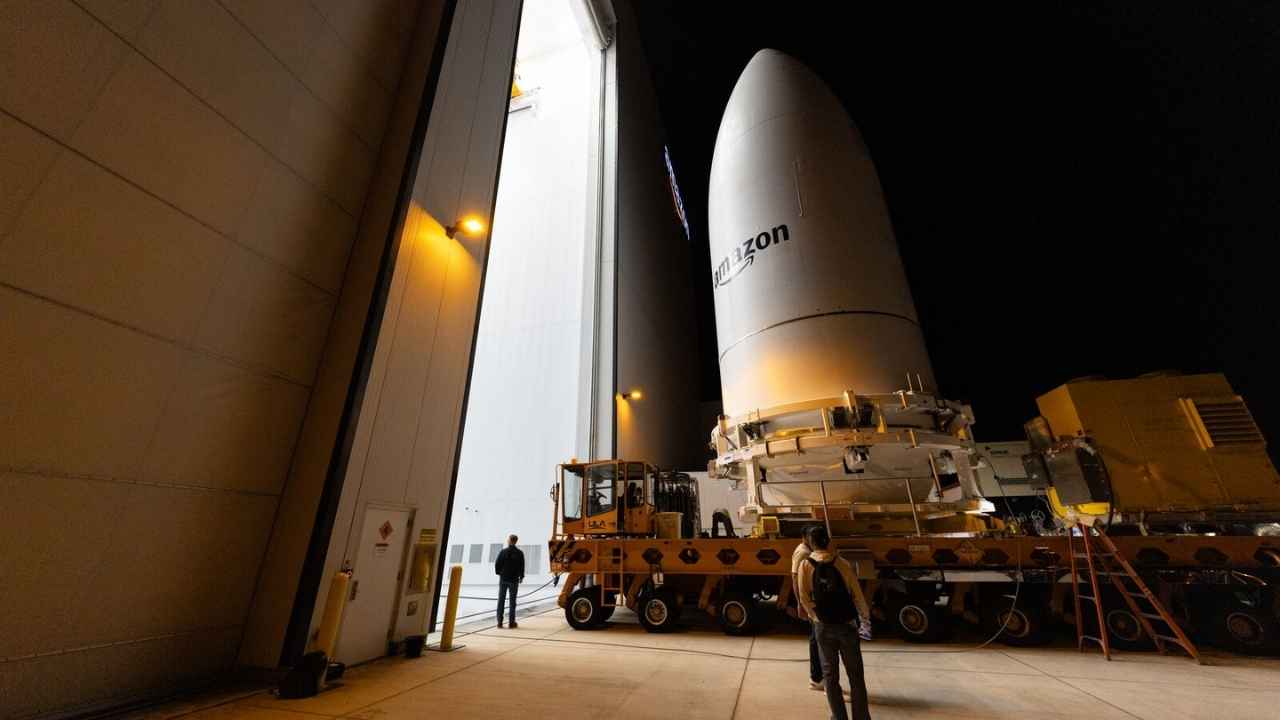
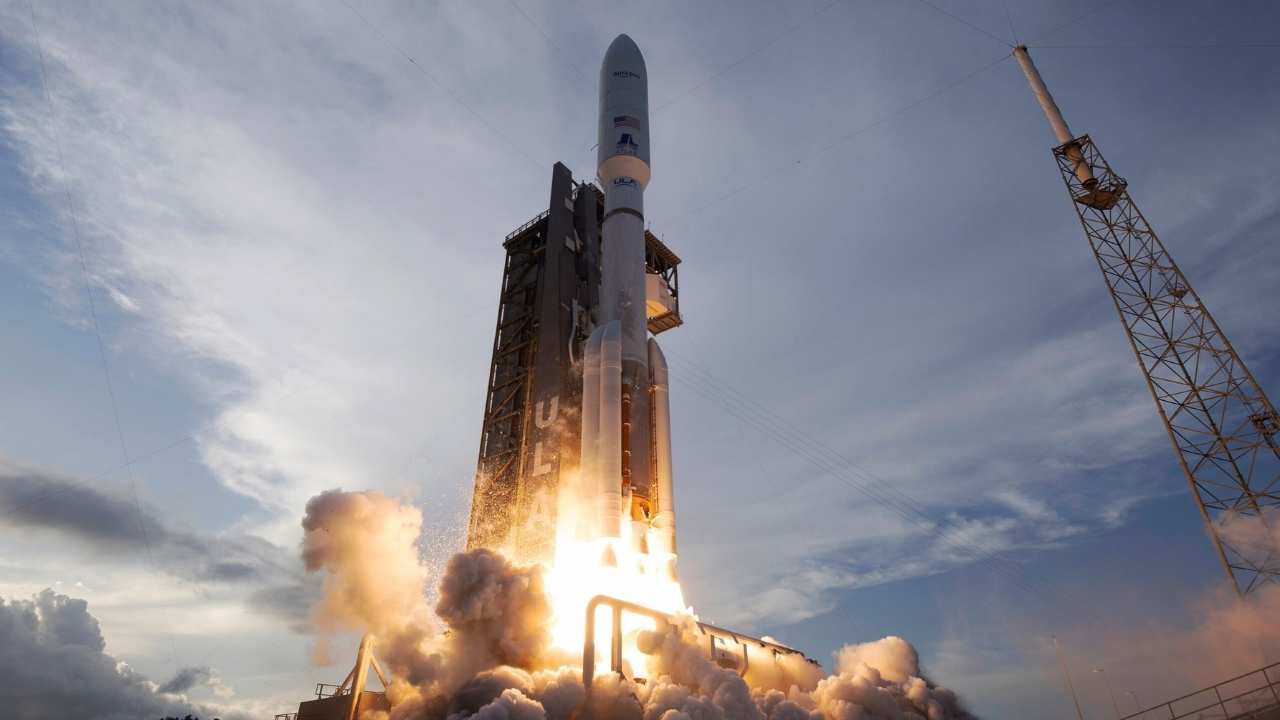
Amazon’s July 2 mission was its 14th Leo launch. It was also the final launch in Amazon’s Atlas V campaign with United Launch Alliance. Amazon says Atlas V launched 224 Leo satellites across eight missions with a 100% success rate. Now Amazon plans to move future ULA launches to the heavier Vulcan rocket, which can carry larger Leo payloads.
That change could help Amazon increase its deployment pace. Melissa Wuerl, Amazon Leo’s director of launch systems, said the company has hundreds of flight-ready satellites waiting at Cape Canaveral. That detail stood out to me. Amazon may be late to the space internet race, but it clearly has hardware ready and a launch pipeline in motion.
Credit: Amazon
Amazon Leo vs Starlink: where the race stands
Starlink still has the obvious lead. SpaceX started earlier, launched faster and already sells satellite internet in more than 150 countries, territories and markets, according to Starlink’s availability map. Amazon Leo is at a very different stage. The company expects limited service later this year, with coverage and pricing still to come.
That means Starlink remains the more realistic choice if you need satellite internet today. Amazon Leo may become a stronger option later, especially if Amazon prices it aggressively or bundles it with business services. Still, I would not underestimate Amazon. The company has deep pockets, massive logistics experience and AWS, its cloud business, behind it. That combination could help Leo win customers in rural broadband, business connectivity, airlines and emergency backup systems.
Amazon Leo airline Wi-Fi plans
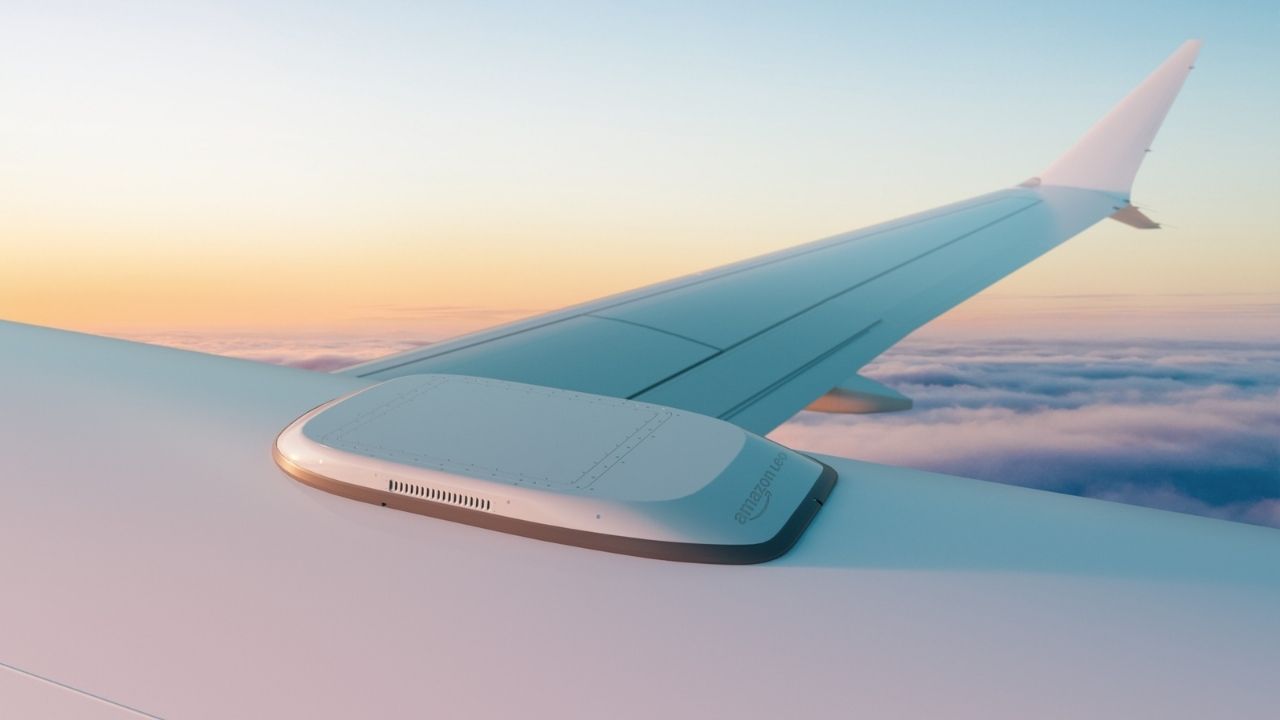
You may notice Amazon Leo on a plane before you see it on your roof. Amazon has already signed airline deals, including JetBlue and Delta. JetBlue plans to use Amazon’s satellite technology to improve its free Fly-Fi service starting in 2027. Delta says Amazon Leo will roll out across hundreds of aircraft beginning in 2028, with an initial installation on 500 planes.
Amazon also introduced a commercial aviation antenna that it says can deliver speeds up to 1 Gbps down and 400 Mbps up. A single antenna can connect a full aircraft for entertainment, work and crew operations. That could make airline Wi-Fi feel much less painful. If Amazon can deliver stable service at cruising altitude, travelers will notice fast.
Credit: Amazon
Watch the latest episode of The CyberGuy Report.

Missed this event? Sign up via the registration form and see our live recording.
See Kurt’s latest Amazon picks for useful gadgets, smart home upgrades and everyday tech worth grabbing while the deals last.
Amazon Leo direct-to-device phone service
Amazon also wants Leo to connect directly to phones and other cellular devices. That strategy became much bigger after Amazon announced plans to acquire Globalstar. Globalstar already supports satellite services used by Apple. Amazon says the deal will help Leo add direct-to-device services to future versions of its satellite network.
That could eventually help mobile carriers extend voice, text and data coverage beyond normal cell towers. Amazon also says its next-generation direct-to-device system will begin deploying in 2028. This could be very useful in dead zones, storms or emergencies. For now, though, treat satellite phone connectivity as backup coverage, not a full replacement for your carrier. If you want to prep your phone for emergencies now, check out this helpful guide on life-saving phone settings.
Why Amazon wants satellite internet customers
Satellite internet is becoming a much bigger business. Grand View Research estimates the global satellite internet market will grow from $13.3 billion in 2026 to $35.7 billion by 2033. That growth explains why Amazon wants in. Satellite internet can reach rural homes, farms, ships, planes, emergency teams and businesses that need backup connectivity.
Amazon also has a cloud advantage. Leo could connect directly with AWS services for companies that already rely on Amazon’s cloud tools. That may give Amazon a stronger pitch for business customers than a regular home internet provider can offer. For everyday customers, the bigger benefit could be competition. Starlink, cable companies and 5G home internet providers may all have to work harder if Amazon becomes a serious broadband rival.
How to compare satellite internet before you switch
If Amazon Leo becomes available in your area, do not focus only on the name. Compare it the same way you would compare any internet service. Start with monthly price, equipment cost and installation needs. Then check download speed, upload speed, latency and data limits. You should also look at cancellation terms, customer support and whether the service works well in bad weather.
That last part is important. Satellite internet can be a lifesaver in places without reliable wired service. However, trees, storms and placement can affect performance. If you are already comparing providers, our guide to the best internet plans can help you think through your options. You can also review this breakdown of 5G home internet vs cable before you make a switch.
Credit: Amazon
What this means to you
If you live in an area with poor internet choices, Amazon Leo could eventually give you more leverage. That alone is good news. Still, I would wait for Amazon to publish coverage maps, monthly pricing and real customer performance before getting too excited. A rocket launch is impressive, but your internet bill and actual speed at home matter more.
If you fly often, Leo may show up first as better in-flight Wi-Fi. JetBlue and Delta give Amazon a very public test. If the service feels fast and reliable in the air, that could build trust fast. For your phone, direct-to-device satellite service could become an emergency safety net. It may help when you are hiking, driving through a dead zone or stuck during a major outage.
At home, Amazon Leo could also push your current internet provider to improve. If you are dealing with slow speeds now, my tips on how to speed up your Wi-Fi and internet connection are a good place to start while Leo builds out.
Related Links:
- Never lose cell service again with this space-age satellite tech
- iPhone’s satellite messaging: A crucial lifeline during a storm
- The most important SOS tool ever made
Kurt’s key takeaways
Amazon Leo has moved from an idea to a real satellite network with 396 satellites deployed, airline deals lined up and a direct-to-device phone strategy in the works. Still, Starlink has the lead today. It has more satellites, broader coverage and years of customer experience behind it. If you need satellite internet right now, Starlink is the one you can actually buy in many places. That said, I would not count Amazon out. Jeff Bezos knows how to enter a crowded market and make competitors sweat. If Amazon Leo forces better prices, faster service or more coverage, you could benefit even if you never put an Amazon antenna on your roof.
Would you trust Amazon to run your internet from space, or would you wait until Leo proves it can truly compete with Starlink? Let us know in the comments below.
FOR MORE OF MY TECH TIPS & SECURITY ALERTS, SUBSCRIBE TO MY FREE CYBERGUY REPORT NEWSLETTER HERE
Copyright 2026 CyberGuy.com. All rights reserved. CyberGuy.com articles and content may contain affiliate links that earn a commission when purchases are made.
🎙 Now Streaming: My New Podcast: The CyberGuy Report
Kurt’s Top Deals
Deals move fast and inventory can be limited, so don’t wait too long.
| 🔥 Editor’s pick  Summer entertaining Ninja SLUSHi Machine (26% off) Frozen drinks and slushies at home in minutes. | |
| 💰 Top deal 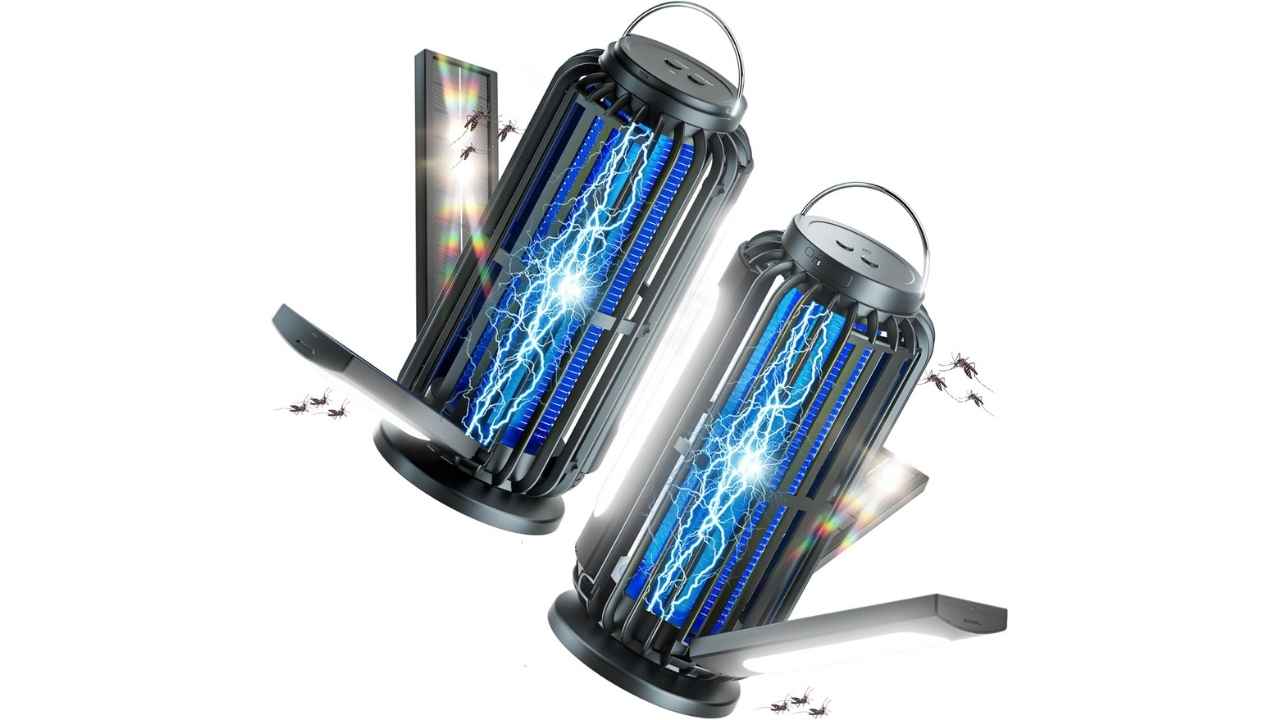 Outdoor essential TYPEC Solar Bug Zapper (36% off) Solar-powered bug zappers for patios and camping. |