



The popularity of social media has led to increasing numbers of parents and caregivers sharing photos and videos of their children. Companies and predators are waiting to jump on these posts to harvest kids’ data for monetary purposes, or worse. The only bill protecting children’s data online was implemented in 1998 and has yet to undergo any updates reflecting the current digital landscape.
Posts that include identifiable data like the name of a child’s school, their teacher, any interests, age or grade can be used by advertisers and worse – dangerous actors.
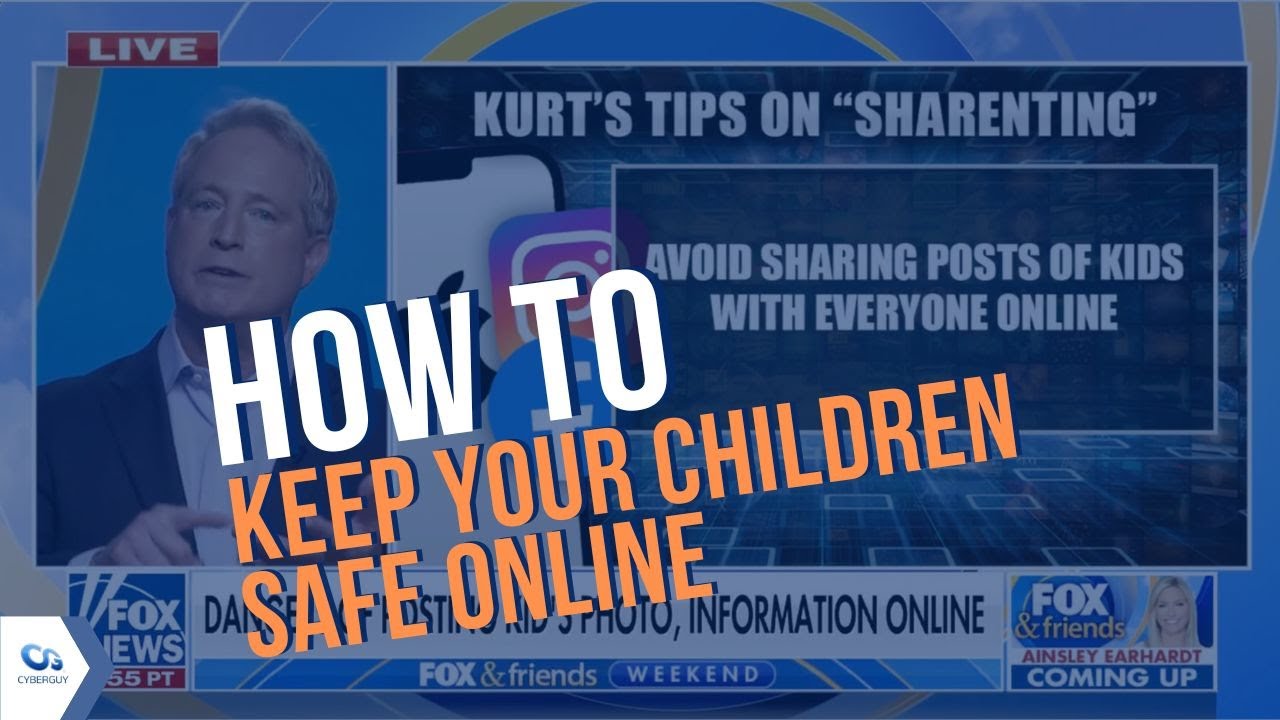
Big tech has trained parents to share
Moms and dads have been trained by the social media culture to feed the beast of big tech by sharing all aspects of their childrens’ lives and it’s gone too far. In fact, it’s been coined ’sharenting’. The problem is often unrealized by parents who start off well-intended but share far too much about their kids online.
They are sharing in social media at the expense of their children’s privacy and security. Worse, kids often have little say in what their parents post about them. In many cases, content ‘sharenting’ – sharing of their childrens’ lives reveals information considered gold to the criminal underbelly online.
How do criminals use social media
Sophisticated AI programs are deployed by criminals that crawl through online social media posts to build intimate and deeply personal profiles of people – including kids.
They can tell a lot from uploaded videos and shared photos by parents including location, patterns, likes, dislikes, associations to other people, schools, after-school organizations, activities and sports.
Advertisers love deeply personal data to get highly tuned into what causes a child to act toward engaging a product or service. But it gets darker with online predators going after kids.
Threat actors can glean enough data eventually to directly target a kids’ phone or tablet with a malware link meant to trick them into giving device access to the criminal.
For now, there is little of anything protecting American children with the outdated 20-year-old Children’s Online Privacy Protection Act (COPPA). It’s up to families to get smarter about the growing threats of sharing too much with a wide audience online. There are steps that can help remove your kids or grandkids from danger.
Pro tips to dodge ‘Sharenting’ danger
- Avoid sharing kids photos, videos and personal moments to everyone online
- Check privacy settings on all social media networks to limit who can see photos, videos and shared moments that include your kids
- Tell caregivers, teachers and other parents to ask before sharing your kid’s photo and info
- Use strong antivirus protection on devices including phones that can filter out dangerous malware links
See the Best Antivirus Protection reviewed here.
🎙 Now Streaming: My New Podcast: The CyberGuy Report
Kurt’s Top Deals
Deals move fast and inventory can be limited, so don’t wait too long.
| 🔥 Editor’s pick  Summer entertaining Ninja SLUSHi Machine (26% off) Frozen drinks and slushies at home in minutes. | |
| 💰 Top deal  Outdoor essential TYPEC Solar Bug Zapper (36% off) Solar-powered bug zappers for patios and camping. |