



The world of sports is on the brink of a technological revolution, and at the center of it lies 3D digital twin technology. Companies like Arcturus are leveraging cutting-edge advancements to create hyper-realistic virtual replicas of live sporting events, allowing fans to experience games like never before. This innovation is set to transform not only how fans engage with sports but also how teams train, strategize, and manage their players.

Credit: Arcturus
What is 3D digital twin technology in sports?
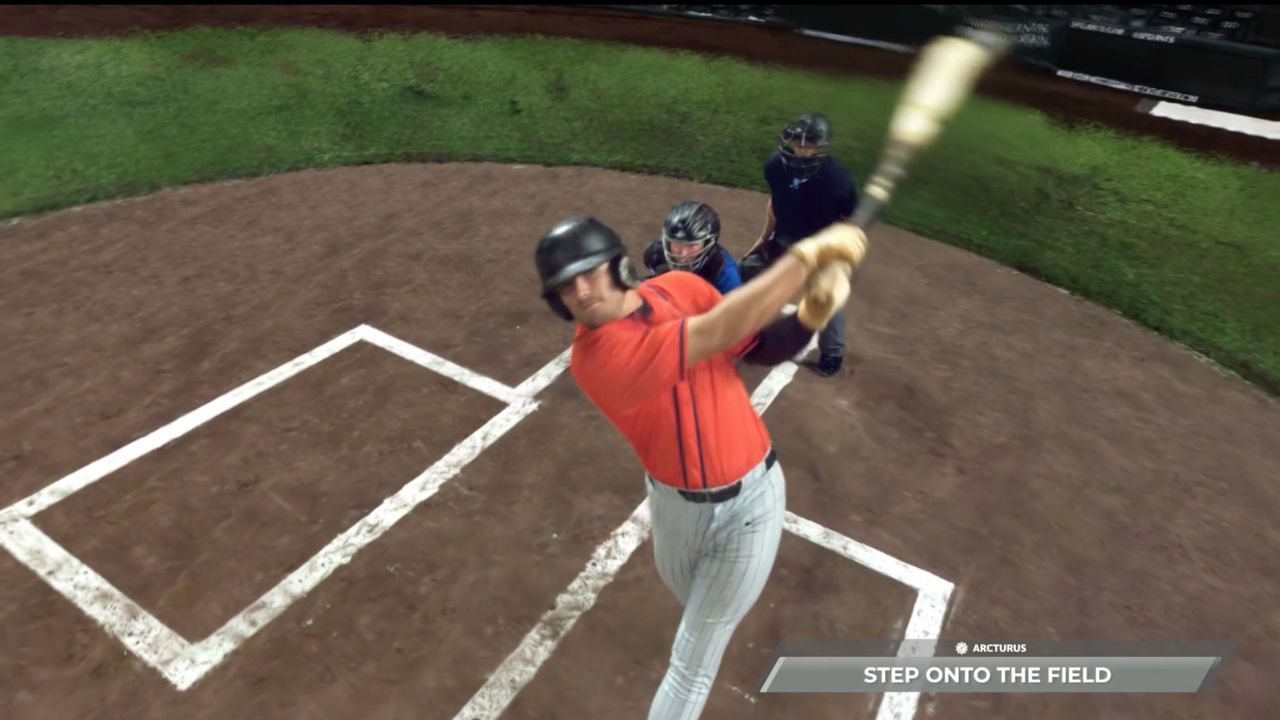
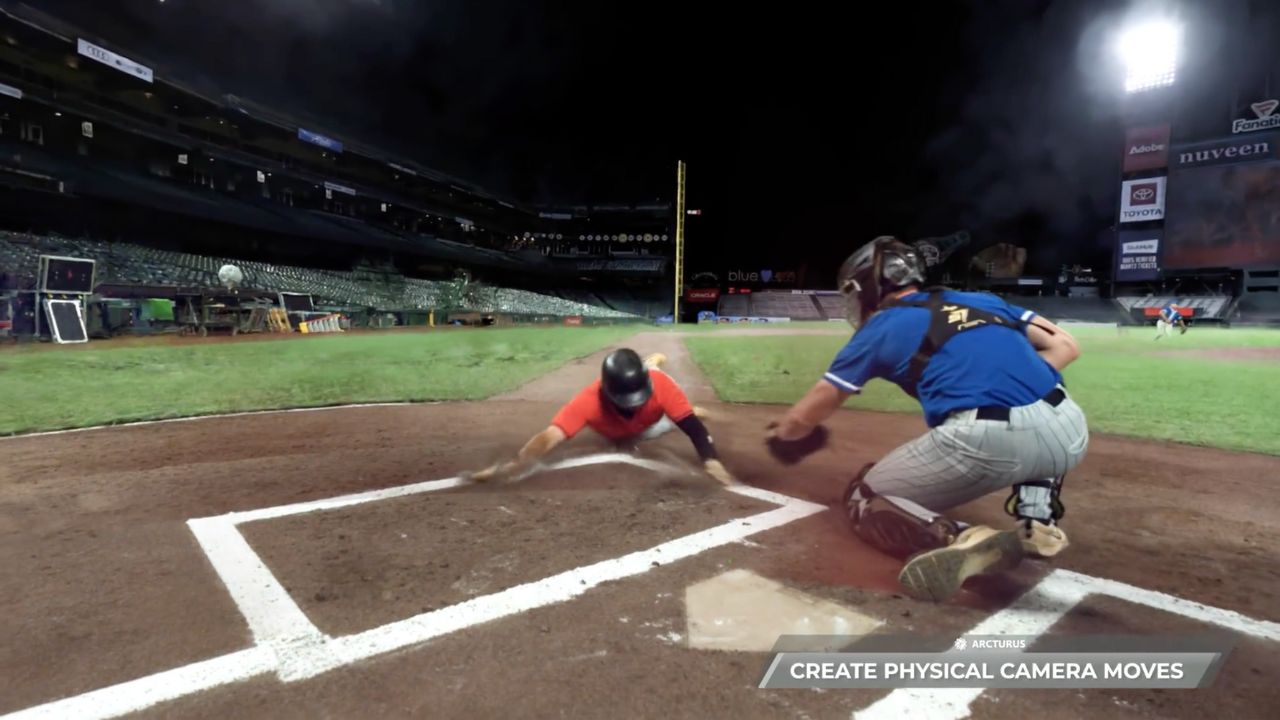
At its core, 3D digital twin technology creates a virtual replica—or “digital twin”—of a real-world environment or event. In the context of sports, this means replicating entire stadiums and live games with incredible accuracy. For example, Arcturus places cameras around the edges of baseball stadiums to capture real-time action and generate a 3D digital clone of the game. Fans can then pinch, zoom, and view the game from any angle in the stadium, offering an unprecedented level of immersion.
Currently, this technology is available for post-game highlights but is expected to evolve into real-time viewing within a few years. Imagine being able to watch a game from the perspective of your favorite player or zoom into any part of the field as if you were there in person.
Credit: Arcturus
Transforming the fan experience
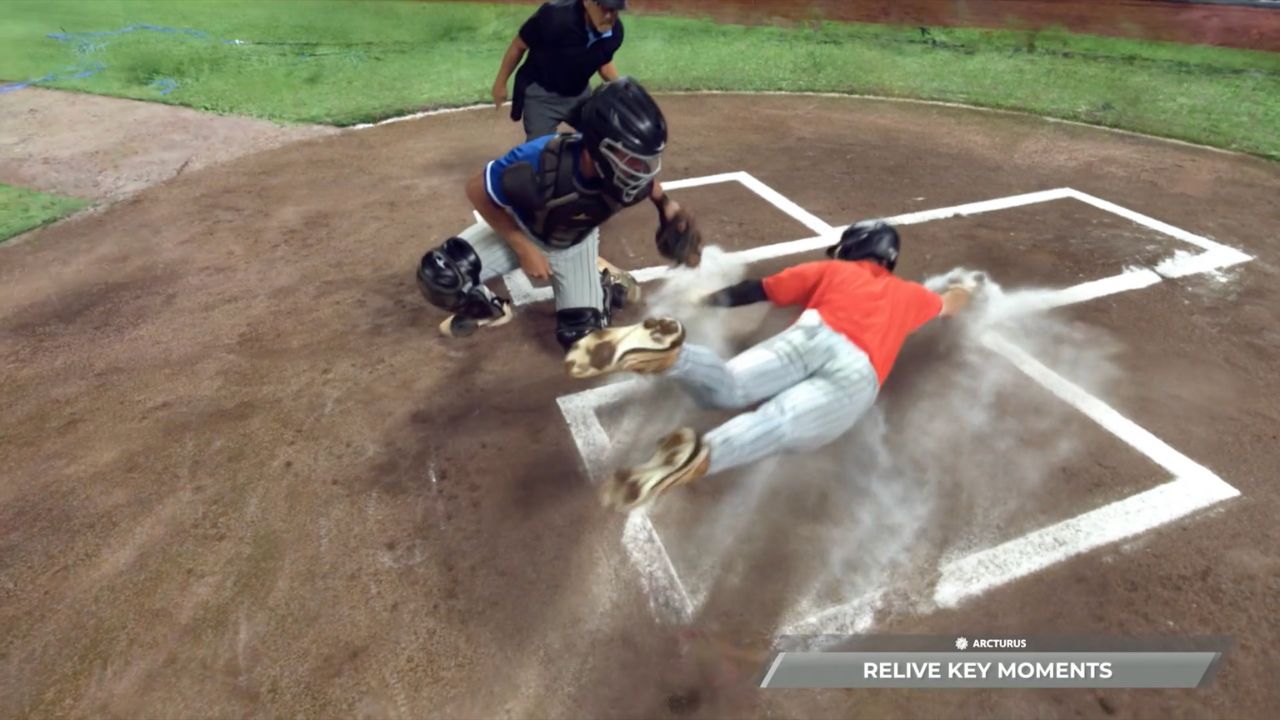
The fan experience is where this technology truly shines. Fans can virtually place themselves in any seat in the stadium or even on the field itself, bringing an entirely new dimension to watching sports. 3D digital twins can be accessed from anywhere, ensuring fans never miss out on their favorite games.
Additionally, features like augmented reality overlays and real-time statistics make following games more engaging than ever before. Major League Baseball (MLB) has already begun integrating similar technology into its app, offering fans live 3D gamecasts that allow them to view games from any angle and access detailed player stats such as pitch velocity and launch angles.
Credit: Arcturus
Revolutionizing player training and strategy
The implications of digital twin technology go far beyond fan engagement—it’s also transforming how teams train and strategize. By creating virtual replicas of players using biomechanical and physiological data, teams can simulate match scenarios, track fatigue levels, and prevent injuries with precision. Coaches can use digital twins to simulate different game strategies without risking player fatigue or injury.
For instance, they can test how players might react under high-pressure situations or against specific opponents. Digital twins can also monitor player workload in real time, helping coaches adjust training regimens to avoid overtraining or injuries.
Credit: Arcturus
Watch the latest episode of The CyberGuy Report.


Missed this event? Sign up via the registration form and see our live recording.
See Kurt’s latest Amazon picks for useful gadgets, smart home upgrades and everyday tech worth grabbing while the deals last.
The future of stadium design
Digital twins are also being used in stadium design and management. Fans can explore stadiums virtually before purchasing tickets, ensuring they select the perfect seats. Digital twins help stadium operators fine-tune everything from air circulation to seating arrangements for maximum comfort. Teams can use digital twins to showcase branding opportunities to sponsors or give premium suite customers a virtual walkthrough of their offerings.

Credit: Arcturus
Challenges and opportunities
While the potential of 3D digital twin technology is immense, it’s not without challenges. Early implementations have experienced technical glitches, such as those occasionally seen in 3D broadcasts, which sometimes led to humorous but unintended visual effects.
Additionally, some fans may initially struggle to adapt to such a high-tech viewing experience. However, as augmented reality (AR) and virtual reality (VR) become more mainstream, these barriers are likely to diminish.
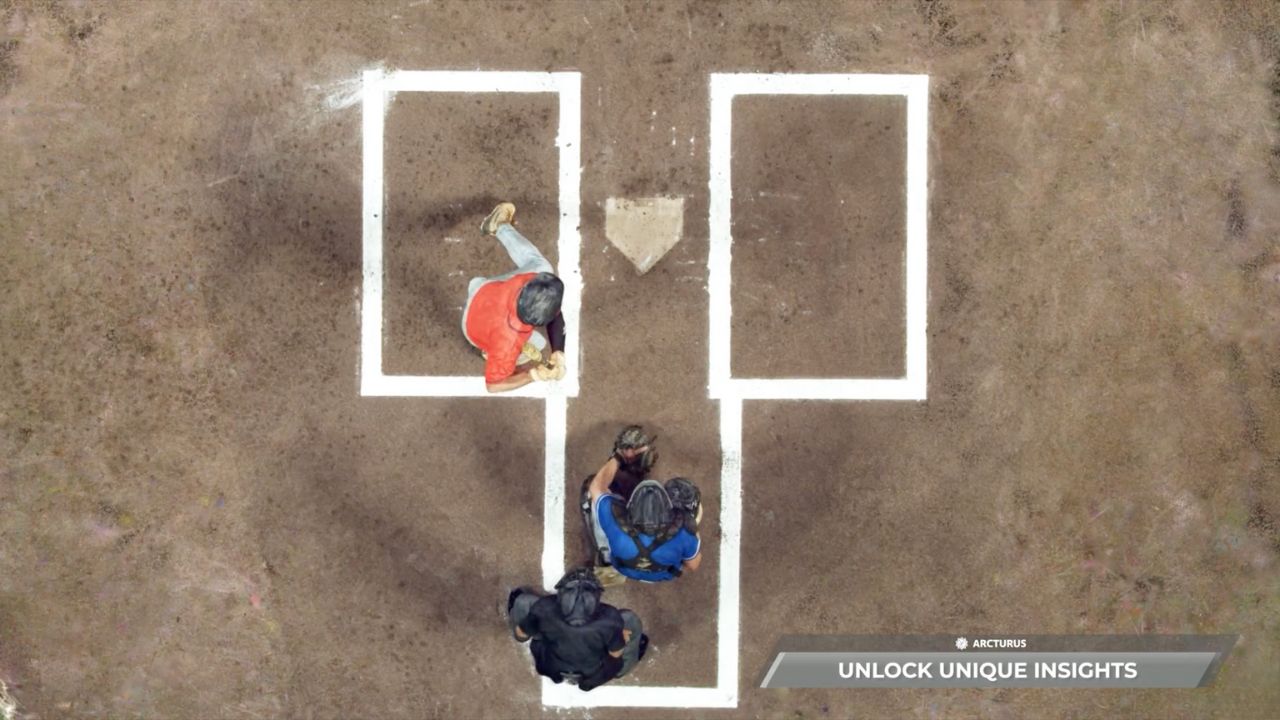
Despite these hurdles, experts agree that digital twins represent the future of sports. With advancements in artificial intelligence and sensor technologies, we’re only scratching the surface of what’s possible.
SUBSCRIBE TO KURT’S YOUTUBE CHANNEL FOR QUICK VIDEO TIPS ON HOW TO WORK ALL OF YOUR TECH DEVICES
Credit: Arcturus
Related Links:
- How vr technology is curing loneliness in seniors
- Stealth tracksuit shields you from infrared cameras, electromagnetic signals and germs
- Breathe easier with must-have tech for seasonal allergies
Kurt’s key takeaways
The integration of 3D digital twin technology into sports marks a turning point for both fans and athletes. From immersive viewing experiences that bring games to life in ways never imagined before to tools that optimize player performance and extend careers, this innovation is set to redefine every aspect of the sporting world.
Do you think the integration of digital twin technology in sports is going too far, or can it strike a balance between innovation and preserving the traditional aspects of the game? Let us know in the comments below.
FOR MORE OF MY TECH TIPS & SECURITY ALERTS, SUBSCRIBE TO MY FREE CYBERGUY REPORT NEWSLETTER HERE