



- Tax scams now start in January, long before most people file their returns.
- Fake IRS texts and emails use real language and branding to steal personal data.
- Scammers buy personal details from data brokers to make messages feel personal and urgent.
- The real goal is identity theft, not just hijacking your tax refund.
Tax season no longer begins in April. For scammers, it starts the moment the calendar flips to January. While you’re waiting for your W-2 or 1099 to arrive, cybercriminals are already sending out waves of fake IRS messages, “refund problem” alerts, and account verification scams. These messages feel alarmingly real-and that’s not an accident.
The truth is, today’s tax scams don’t rely on random guessing. They rely on your personal data, pulled from online data brokers, public records, and previous breaches. And once your information is in circulation, you become part of a high-value target list.
Let’s break down what’s really happening-and how you can protect yourself before the first fake message lands in your inbox.

The new wave of tax scams
Every year, scammers refine their tactics. And every year, they get better at making their messages look legitimate. Here are the most common scams hitting Americans before tax season even peaks:
1) Fake IRS emails and texts
These messages look official. They use real IRS language, government-style formatting, and even fake case numbers. You might see something like:
“Your tax account is under review. Immediate action is required to avoid penalties.”
The email may include:
- IRS logos and official-looking headers
- Threatening language about audits or fines
- A link that appears to go to a government website.
But when you click, you’re taken to a fake IRS portal designed to steal:
- Your Social Security number
- Your date of birth
- Your bank account details
- Your IRS login credentials.
Once scammers have that, they can file fake returns, redirect your refund, or impersonate you for years.
2) “Refund Issue” alerts
This is one of the most effective tax scams because it preys on something people are already waiting for: their money. The message usually says:
“Your tax refund has been delayed due to a verification issue. Please confirm your information.”
It feels believable. You just filed. You are expecting a refund. And the message arrives right when you’re checking your bank account.
The link leads to a perfect copy of:
- A government site
- A tax filing service
- Or a bank login page.
Every keystroke you enter is captured. Scammers now have your identity, your financial access, and your tax data-all from one click.

3) Benefit and identity verification scams
These scams impersonate the:
- IRS
- Social Security Administration
- State tax offices.
Often, they use what seems to be legitimate titles like “tax resolution officer” and state that you have unresolved tax activity. They claim your benefits, tax records, or identity are “on hold” and must be verified immediately.
Typical messages say: “Your benefits account has been temporarily suspended. Verify your identity to restore access.” Or: “We detected unusual activity on your tax profile. Confirm your information now.”
The goal is simple: panic. When people panic, they don’t slow down. They don’t double-check. They click. And once they do, scammers collect everything they need to fully impersonate the victim.
Why these messages feel so real
You may wonder: How do they know my name? My address? My tax service?
They don’t guess. They buy it. Data brokers collect and sell personal profiles that can include your:
- Full name and address history
- Phone numbers and email addresses
- Family members and marital status
- Estimated income and property records
- Age, retirement status, and employer history.
Scammers use this data to personalize their messages. That’s why the email doesn’t feel random. It feels meant for you. And once your profile is sold or leaked, it can be reused again and again.

The real target isn’t your refund-it’s your identity
Once scammers steal your Social Security number, tax ID, or bank details, the damage doesn’t stop with one scam.
They can:
- File fake tax returns
- Open credit lines in your name
- Redirect benefits
- Sell your identity on criminal marketplaces.
Tax scams are often the entry point to long-term identity theft.
The “pre-tax season cleanup” most people skip
Most people think clearing browser cookies or changing passwords is enough. It’s not. Your information still lives in data broker databases-where scammers shop for victims.
That’s why I recommend Incogni, the automated data removal service that goes directly to the source.
Incogni:
- Sends legal removal requests to 420+ data brokers
- Continuously monitors and re-submits requests
- Provides a dashboard to track what’s been removed
- Offers an Unlimited plan for custom data removals.
Instead of chasing scams one by one, Incogni helps remove the reason you’re targeted in the first place.
Exclusive Deals for CyberGuy Readers (60% off): Incogni offers a 30-day money-back guarantee and then charges a special CyberGuy discount for all annual plans only through the links in this article for as low as $6.39/month for one person (billed annually) or $12.79/month for your family (up to 5 people) on their annual plan. This fully automated data removal service provides ongoing protection from 420+ data brokers, and if you choose the Unlimited plan, you can also request removals from specific sites where your personal information appears.
I recommend the family plan because it works out to only $2.56 per person per month (or $3.68 per person per month if you get the Family Unlimited plan) for powerful year-round privacy protection. It’s an excellent service, and well worth trying to see how much of your information is being exposed and how effectively it can be removed.
Get Incogni for your family (up to 5 people) here
Is your personal information exposed online?
Run a free scan to see if your personal info is compromised. Results arrive by email in about an hour.
Practical steps to protect yourself this tax season
Here’s what I recommend before filing:
- Never click tax links from emails or texts. Go directly to official websites. See our picks for best antivirus here.
- Use strong, unique passwords for tax services and email. A strong password manager helps create and store strong, unique passwords and alerts you if your email appears in known data breaches. See our picks for best password manager here.
- Enable two-factor authentication (2FA) wherever possible.
- Freeze your credit if you’re not applying for loans.
- Remove your data from brokers before scammers find it.
Related Links:
- Your phone shares data at night: Here’s how to stop it
- 5 myths about identity theft that put your data at risk
- Make 2026 your most private year yet by removing broker data
Kurt’s key takeaways
Tax scams don’t start in April; they start when your data is sold. The more complete your profile becomes, the easier it is for scammers to impersonate government agencies and steal your identity. By removing your personal data now, you’re not just protecting your refund; you’re protecting your future. This tax season, don’t wait for the alert. Remove the risk.
Have you received a suspicious IRS text or email this tax season, and what made you question whether it was real? Let us know in the comments below.
FOR MORE OF MY TECH TIPS & SECURITY ALERTS, SUBSCRIBE TO MY FREE CYBERGUY REPORT NEWSLETTER HERE
This article was created in partnership with Incogni
Copyright 2026 CyberGuy.com. All rights reserved. CyberGuy.com articles and content may contain affiliate links that earn a commission when purchases are made.
🎙 Now Streaming: My New Podcast: The CyberGuy Report
Kurt’s Top Deals
Deals move fast and inventory can be limited, so don’t wait too long.
| 🔥 Editor’s pick  Summer entertaining Ninja SLUSHi Machine (26% off) Frozen drinks and slushies at home in minutes. | |
| 💰 Top deal 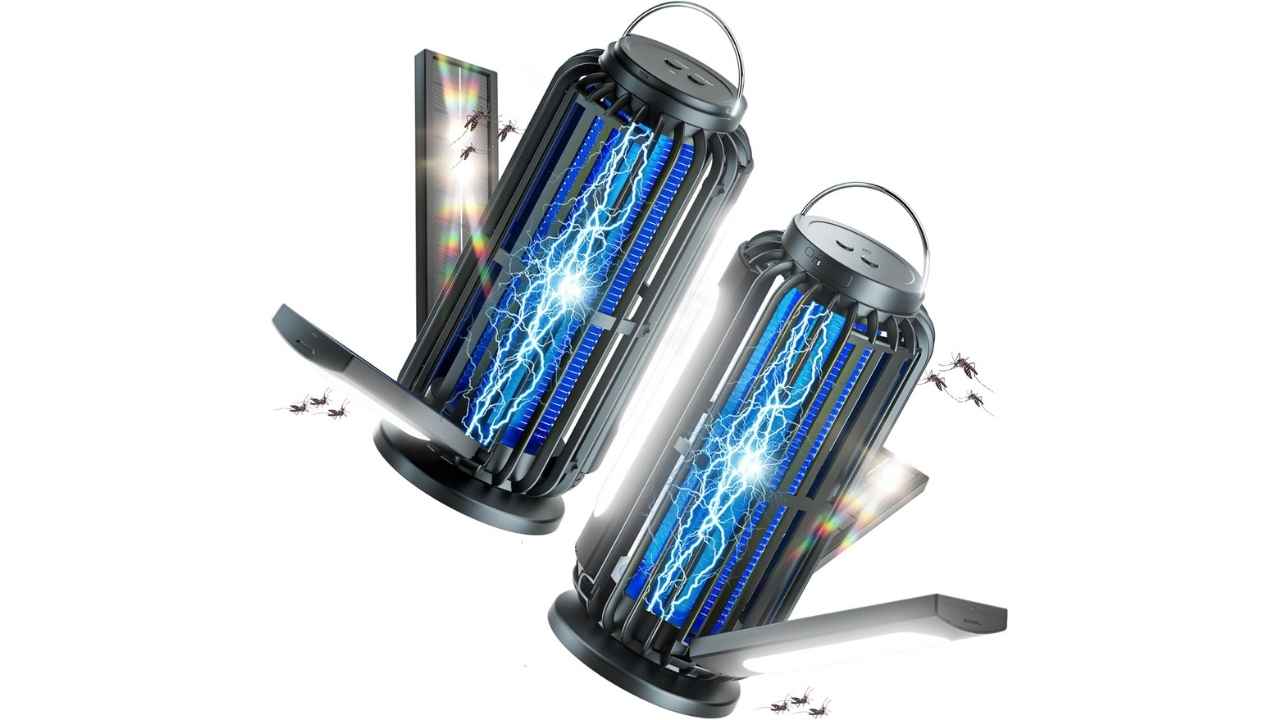 Outdoor essential TYPEC Solar Bug Zapper (36% off) Solar-powered bug zappers for patios and camping. |


