


As the nation honors veterans for their service, the Department of Veterans Affairs is reminding the community to stay alert to a growing threat, the VA overpayment scam. Reports show that fraudsters are contacting veterans through text, email, and phone calls, pretending to be VA employees. They claim you were overpaid on your benefits and must send money or banking details to correct the issue.
These criminals often make their messages look official with VA logos, formal wording, and even fake caller IDs. Once they gain your trust, they push for quick payment, hoping you act before verifying. Staying informed and cautious is the best way to protect your benefits and your identity.

How to spot a VA overpayment scam
Be on alert for these red flags:
- Messages demanding urgent payment, especially by gift card, wire transfer, or cryptocurrency.
- Requests for your VA login or password.
- Emails or texts with links that don’t lead to VA.gov.
- Caller ID spoofing showing “VA” or “Debt Center” to look official.
- Messages or letters that lack detailed explanations or account numbers.
If you spot any of these, don’t engage; instead, verify the communication directly through VA.gov or by calling the VA’s official number.

How real VA overpayments work
When the VA determines an actual overpayment, it sends a formal letter explaining the amount and your options to appeal or set up a payment plan. You’ll never be told to pay through text or third-party apps, and you’ll never be asked to share login credentials or banking info outside VA.gov.
Real VA notices always direct you to official channels like VA.gov or the Debt Management Center (1-800-827-0648). If something feels off, it probably is, so always verify before taking action.

Top ways to protect yourself from VA overpayment scams
Stay ahead of scammers by following these simple but powerful steps to protect your VA benefits.
1) Verify through your official VA.gov account
Whenever you receive a notice about an overpayment, log in to your VA.gov account directly instead of clicking any link or responding to a message. The site shows your current balance, payment status, and any real debts.
2) Use official VA payment channels
If you discover a legitimate debt, handle it only through VA’s official payment options. Call the Debt Management Center at 1-800-827-0648 or make payments through your secure VA.gov dashboard. Avoid sending funds through apps, wire transfers, or prepaid cards, as the VA will never ask for those.
Watch the latest episode of The CyberGuy Report.

Missed this event? Sign up via the registration form and see our live recording.
See Kurt’s latest Amazon picks for useful gadgets, smart home upgrades and everyday tech worth grabbing while the deals last.
3) Never share your login information
Your VA login and password are like your house keys. The VA will never ask for them, not by phone, email, or text. Anyone who requests them is a scammer. If you think your credentials were compromised, change your password immediately and enable multi-factor authentication (MFA) if available.
Consider using a password manager, which securely stores and generates complex passwords, reducing the risk of password reuse.
Next, see if your email has been exposed in past breaches. Our #1 pick, NordPass, includes a built-in breach scanner that checks whether your email address or passwords have appeared in known leaks. If you discover a match, immediately change any reused passwords and secure those accounts with new, unique credentials.
- Unlimited password storage
- Secure sharing
- Password health reports
- Auto-fill and emergency access
- Data breach monitoring to alert you if your credentials have been exposed
- A Security Dashboard with tools like the Data Breach Scanner and Password Health Checker to identify weak, reused, or compromised passwords
CyberGuy Exclusive Deal: Save 52% now with CyberGuy’s exclusive NordPass offer – Get 1 extra month FREE with a 2-year plan. Try 30 days risk-free for only $1.43 per month!
4) Avoid suspicious links and attachments
Fraudsters often embed fake links in messages that look real at first glance. Hover over a link before clicking to preview the URL; if it doesn’t start with “https://www.va.gov,” it’s fake. Be equally cautious with attachments, as they can install malware designed to steal your personal data.
The best way to safeguard yourself from malicious links that install malware, potentially accessing your private information, is to have strong antivirus software installed on all your devices. This protection can also alert you to phishing emails and ransomware scams, keeping your personal information and digital assets safe.
- Strong real-time protection against viruses, malware, ransomware and hacking attempts
- AI-powered scam protection to help identify suspicious emails, texts and websites
- Built-in password manager to securely store and manage logins
- 2 GB PC cloud backup to help protect important files from ransomware or hardware failure
- Smart firewall and phishing protection
- Protects 1, 3 or 5 devices
- Available for Windows, macOS, Android and iOS
- Includes real-time threat protection, smart firewall and phishing protection to guard against online attacks
5) Use a data removal service
Data brokers often publish your name, phone number, and even veteran status online, information scammers use to target you. Services like Incogni can automatically request data removals from hundreds of broker sites, reducing your exposure and lowering the odds of being targeted.
While no service can guarantee the complete removal of your data from the internet, a data removal service is really a smart choice. They aren’t cheap, and neither is your privacy. These services do all the work for you by actively monitoring and systematically erasing your personal information from hundreds of websites. It’s what gives me peace of mind and has proven to be the most effective way to erase your personal data from the internet. By limiting the information available, you reduce the risk of scammers cross-referencing data from breaches with information they might find on the dark web, making it harder for them to target you.
Incogni, a service I trust 100% and use myself, helps automate the process by submitting removal requests to hundreds of data brokers and people-search sites on your behalf.
Incogni automatically contacts data brokers on your behalf and requests the removal of your personal information. It also continues monitoring those sites and submits new removal requests if your data reappears.
- Incogni currently removes personal data from 420+ data broker and people-search websites, and its Unlimited plan allows you to request removals from as many additional sites as you need.
- Incogni has also received third-party assurance from Deloitte, validating its marketing claims.
- The goal is simple: make it much harder for strangers, scammers, and cybercriminals to find your personal information online.
CyberGuy readers get 60% off Incogni’s annual plans using the links in this article.
The service also includes a 30-day money-back guarantee, so you can try it risk-free and see how much of your information is exposed online.
Is your personal information exposed online?
Run a free scan to see if your personal info is compromised. Results arrive by email in about an hour.
6) Watch out for unusual payment methods
Scammers love untraceable transactions. Any request for payment through gift cards, Bitcoin, prepaid debit cards, or wire transfers is an instant red flag. The VA does not and will not use these methods to collect payments.
7) Limit your social media exposure
Scammers sometimes gather information from social networks to make messages seem more personal. Review your friends and followers, tighten privacy settings, and think twice before posting details about your military service or VA benefits.
8) Report suspected fraud immediately
If you think someone tried to scam you, contact the VA directly at 1-800-827-1000. You can also report incidents at VSAFE.gov or call (833) 38V-SAFE (833-388-7233). Reporting quickly helps protect others in the veteran community.
Related Links:
- New 401(k) tax rules could expose you to scams
- Ghost tapping scam targets tap-to-pay users
- Beware of these fake credit card account restriction scams
Kurt’s key takeaways
This Veterans Day is a time to reflect on service, sacrifice, and strength, and that includes protecting what you have earned. Scammers may be persistent, but staying alert and using official VA resources gives you the upper hand. Your benefits represent more than money; they are recognition of your service. Keep them safe, stay skeptical of sudden messages, and verify everything before you act.
How can technology companies and the government do a better job of protecting veterans online? Let us know in the comments below.
FOR MORE OF MY TECH TIPS & SECURITY ALERTS, SUBSCRIBE TO MY FREE CYBERGUY REPORT NEWSLETTER HERE
Copyright 2025 CyberGuy.com. All rights reserved. CyberGuy.com articles and content may contain affiliate links that earn a commission when purchases are made.
🎙 Now Streaming: My New Podcast: The CyberGuy Report
Kurt’s Top Deals
Deals move fast and inventory can be limited, so don’t wait too long.
| 🔥 Editor’s pick  Summer entertaining Ninja SLUSHi Machine (26% off) Frozen drinks and slushies at home in minutes. | |
| 💰 Top deal 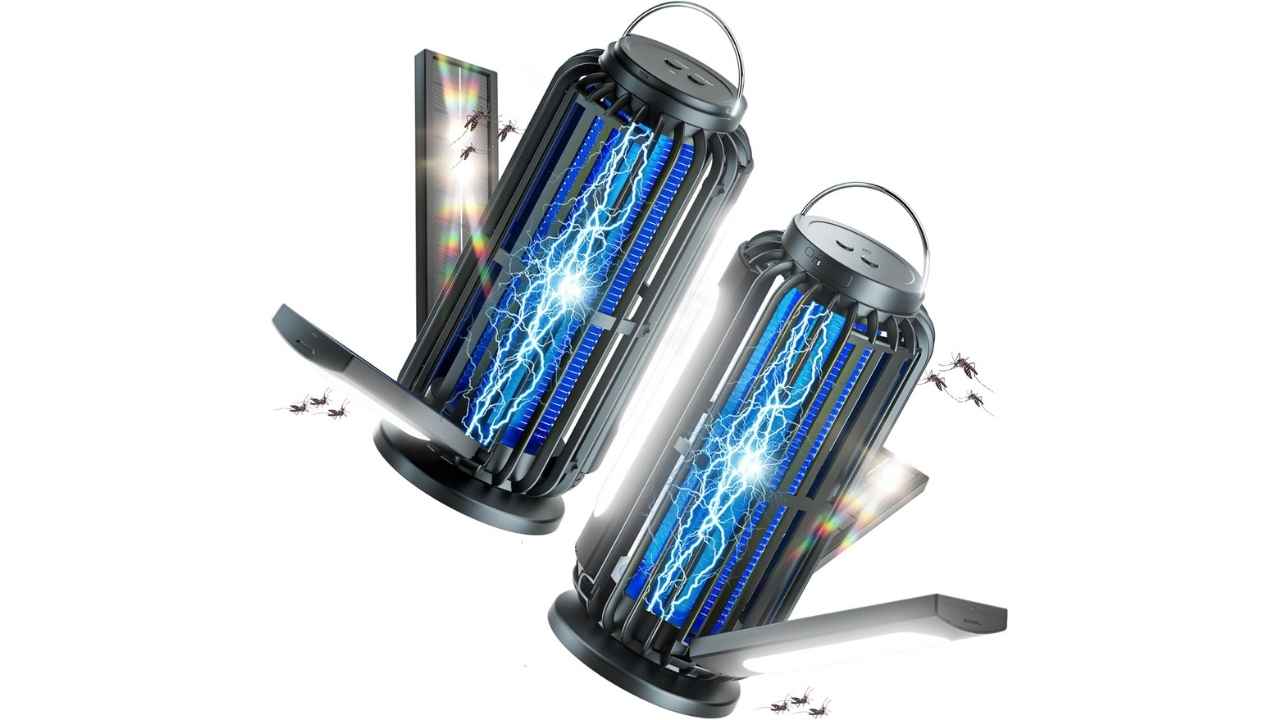 Outdoor essential TYPEC Solar Bug Zapper (36% off) Solar-powered bug zappers for patios and camping. |


