



Chances are you’ve never thought about what’s between your food and the QR code menu being used to order at many restaurants. QR code menus were hardly ever seen until 18 months ago. The pandemic changed all that.
Shared menus were replaced with pointing your phone camera at a QR code. It opens a restaurant’s website to display the menu. Other QR codes link to sophisticated systems that also take orders and charge customers.

QR Code Privacy Concerns
In fact, a QR code can be programmed to link to anything. That’s where privacy concerns come in. As for restaurants in many cases, the QR code you just shot is already tracking you.
Customers may not know it but you’re being tracked with when, where, and how frequently you scan a QR code. QR code systems can activate cookies to track your purchase history. Your name, phone number, and credit card are captured to a database.
Your personal data is being tracked and shared unknowingly
Those databases full of your personal details in some cases are offered to other establishments. The big problem is that the vast majority of QR code systems lack any clear privacy controls for customers to opt-out.
QR Code gets its name from “Quick Response”
Even after people learn how their data can be manipulated the use of QR codes is unlikely to slow down. Customers enjoy the speed and ease of QR codes. After all, the letters QR come from “quick response”.

Restaurants are seeing the benefits of QR codes to their bottom line
50% of all full-service restaurants in the US are using QR codes since the pandemic according to the National Restaurant Association. QR code menus reduce labor cost by as much as 30% to 50% since servers don’t need to take orders and collect payments.
Restaurants are finding the value in tracking consumers’ ordering habits to better know what’s selling on the menu. This allows for more efficient pushed offers based on the history of customers’ spending.
Hackers are triggering QR code trouble
As food ordering is making QR codes more popular and easy to use, hackers are thinking of new ways to trigger all sorts of trouble.
A sign saying “Click this QR code for 20% off” may be a discount to your privacy and security instead of a deal.
Hackers are using QR codes to bait people into scams. For example, a hacker may link you to malware to launch a ransomware attack. This is made possible since there really is nothing stopping a QR code to be programmed to launch and open virtually anything — even harmful websites and privately hosted malicious apps.

How to avoid a QR code prying into your privacy
My best advice is, don’t point your phone at just any QR code. Think before you capture a QR code with your phone making sure it’s a trustable source. Never allow an app to be uploaded that did not come from either the Apple App Store or Google play store directly.
Watch the latest episode of The CyberGuy Report.

Missed this event? Sign up via the registration form and see our live recording.
See Kurt’s latest Amazon picks for useful gadgets, smart home upgrades and everyday tech worth grabbing while the deals last.
If you’re using strong security protection software and apps on all of your devices, chances are that threats of these types can be intercepted before they cause harm.
- Strong real-time protection against viruses, malware, ransomware and hacking attempts
- AI-powered scam protection to help identify suspicious emails, texts and websites
- Built-in password manager to securely store and manage logins
- 2 GB PC cloud backup to help protect important files from ransomware or hardware failure
- Smart firewall and phishing protection
- Protects 1, 3 or 5 devices
- Available for Windows, macOS, Android and iOS
- Includes real-time threat protection, smart firewall and phishing protection to guard against online attacks
Copyright 2025 CyberGuy.com. All rights reserved. CyberGuy.com articles and content may contain affiliate links that earn a commission when purchases are made.
🎙 Now Streaming: My New Podcast: The CyberGuy Report
Kurt’s Top Deals
Deals move fast and inventory can be limited, so don’t wait too long.
| 🔥 Editor’s pick  Summer entertaining Ninja SLUSHi Machine (26% off) Frozen drinks and slushies at home in minutes. | |
| 💰 Top deal 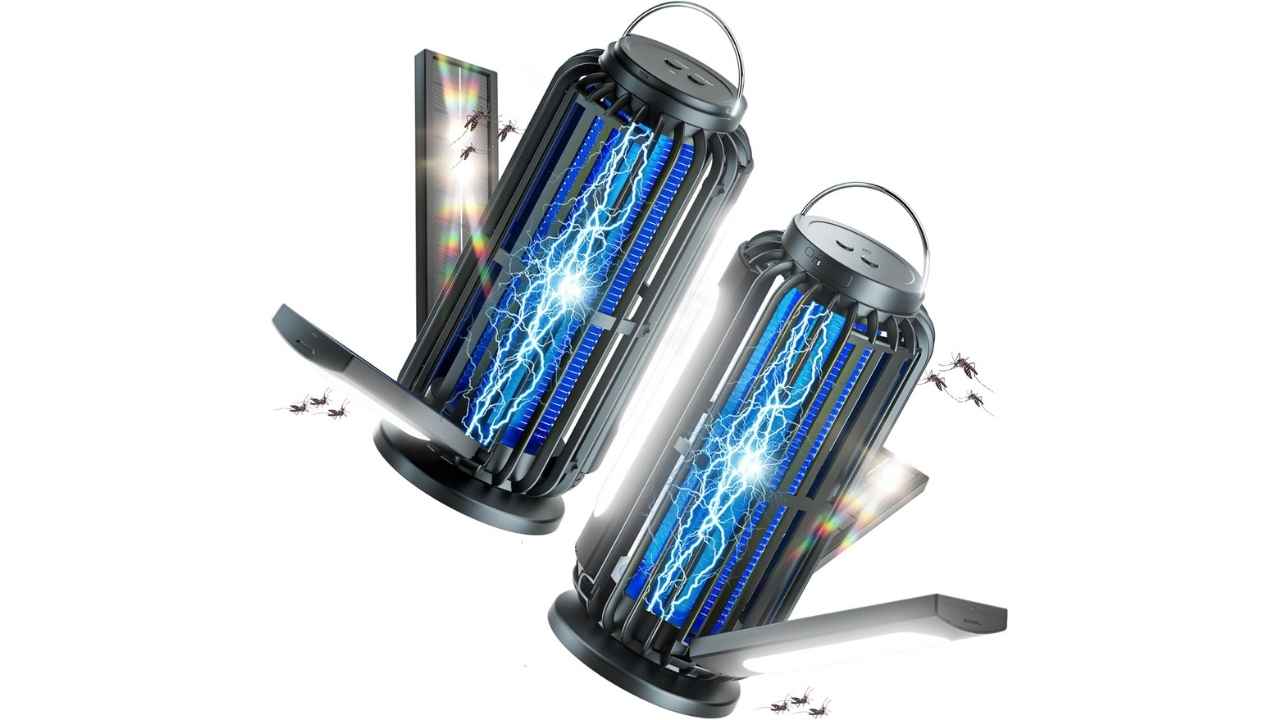 Outdoor essential TYPEC Solar Bug Zapper (36% off) Solar-powered bug zappers for patios and camping. |


