



- Waymo and Waze are sharing real-time pothole data with cities to help speed up road repairs.
- Robotaxis detect potholes using onboard sensors and send that information to the Waze platform.
- Drivers can see and confirm pothole alerts in the Waze app, improving accuracy over time.
- The pilot program is already live in five major metro areas and has identified about 500 potholes.
You know that moment. You are driving along, and everything feels smooth. Then all of a sudden, your car hits a pothole you never saw coming.
It is frustrating. It can also be expensive and dangerous. Repairs add up fast, and unexpected road damage can lead to crashes.
Now, Waymo and Waze are trying to tackle that problem in a new way. Instead of waiting for people to report potholes after the fact, they want to detect them as they happen and help cities respond faster.

Credit: Waymo
How Waymo detects potholes behind the scenes
Waymo’s robotaxis already spend hours on the road each day. While they drive, they constantly scan their surroundings using cameras, sensors and onboard software. That same technology is now being used to identify potholes.
When a Waymo vehicle detects a road issue, that information is shared through Waze’s “Waze for Cities” platform. Cities and transportation departments can access the data at no cost. At the same time, the information shows up in the Waze app so drivers can see alerts as they approach a problem area.
There is also a human layer built in. Waze users can confirm or flag potholes, which helps improve accuracy over time. That combination of machine detection and real-world feedback creates a more reliable picture of road conditions.
Why this is a big shift for how cities fix potholes
Most cities still rely on residents to report potholes through 311 systems or online forms. Crews then investigate and decide what to fix first. That process takes time and often leaves gaps. Some potholes go unreported. Others are reported too late. In many cases, cities end up reacting instead of getting ahead of the problem.
This new approach changes that. By using real-time data from vehicles already on the road, cities can see where issues are forming and respond more quickly. It also helps them spot patterns, which can improve how they plan repairs and allocate resources.

Credit: Waymo
Where the Waymo and Waze pilot program is running
The partnership is still in its early phase, but it is already active in several major metro areas. The rollout includes the San Francisco Bay Area along with Los Angeles, Phoenix, Austin and Atlanta. These are places where Waymo already operates, which makes it easier to collect consistent data.
Even at this early stage, the system has already identified around 500 potholes across those cities. That gives you a sense of how much road damage can go unnoticed without constant monitoring.
Over time, the companies plan to expand into more regions, including areas where weather conditions make potholes more common.

Credit: Waymo
Watch the latest episode of The CyberGuy Report.

Missed this event? Sign up via the registration form and see our live recording.
See Kurt’s latest Amazon picks for useful gadgets, smart home upgrades and everyday tech worth grabbing while the deals last.
Why potholes are a bigger problem than they seem
Potholes may feel like a minor annoyance, but they have real consequences. They can damage tires, affect alignment and lead to costly repairs. In some cases, they contribute to accidents, especially when drivers swerve to avoid them or hit them at high speeds.
There is also a fairness issue. Areas that rely on resident reports may see uneven maintenance. Some neighborhoods get quicker fixes while others wait longer simply because fewer reports come in.
By combining automated detection with user input, this system aims to close those gaps and give cities a more complete view of road conditions.
What this means to you
You may not think much about the technology behind road maintenance, but it directly affects your daily drive. If this approach expands, it could lead to fewer surprise potholes and quicker repairs on roads you use every day. It may also mean better alerts in navigation apps, which gives you more time to react and avoid damage.
There is also a long-term benefit. Better data can help cities maintain roads more efficiently, which can reduce wear and tear on your car and lower the risk of unexpected repairs. At a broader level, it shows how data collected for one purpose can improve something completely different. In this case, the same systems that guide self-driving cars could make everyday driving safer for everyone.
Related Links:
- Waymo’s cheaper robotaxi tech could help expand rides fast
- Waymo under federal investigation after child struck
- Uber expands women driver preference nationwide
Kurt’s key takeaways
This might sound like a small idea at first. But it points to something much bigger. For years, cities have been playing catch-up when it comes to road maintenance. They rely on slow reports and limited data, which means problems often get fixed late or missed entirely. Now, that could start to change. With Waymo cars constantly scanning the roads, cities can tap into a steady stream of real-world data without having to build a whole new system from scratch. If this pilot works, it could change how cities stay on top of road repairs. And it is another example of how private tech is starting to shape public infrastructure in ways most people never see. That can be a good thing. But it also raises a bigger question about where that line should be drawn.
Have potholes ever cost you money or damage, and do you think tech like this could actually make a difference? Let us know your thoughts in the comments below.
FOR MORE OF MY TECH TIPS & SECURITY ALERTS, SUBSCRIBE TO MY FREE CYBERGUY REPORT NEWSLETTER HERE
Copyright 2026 CyberGuy.com. All rights reserved. CyberGuy.com articles and content may contain affiliate links that earn a commission when purchases are made.
🎙 Now Streaming: My New Podcast: The CyberGuy Report
Kurt’s Top Deals
Deals move fast and inventory can be limited, so don’t wait too long.
| 🔥 Editor’s pick  Summer entertaining Ninja SLUSHi Machine (26% off) Frozen drinks and slushies at home in minutes. | |
| 💰 Top deal 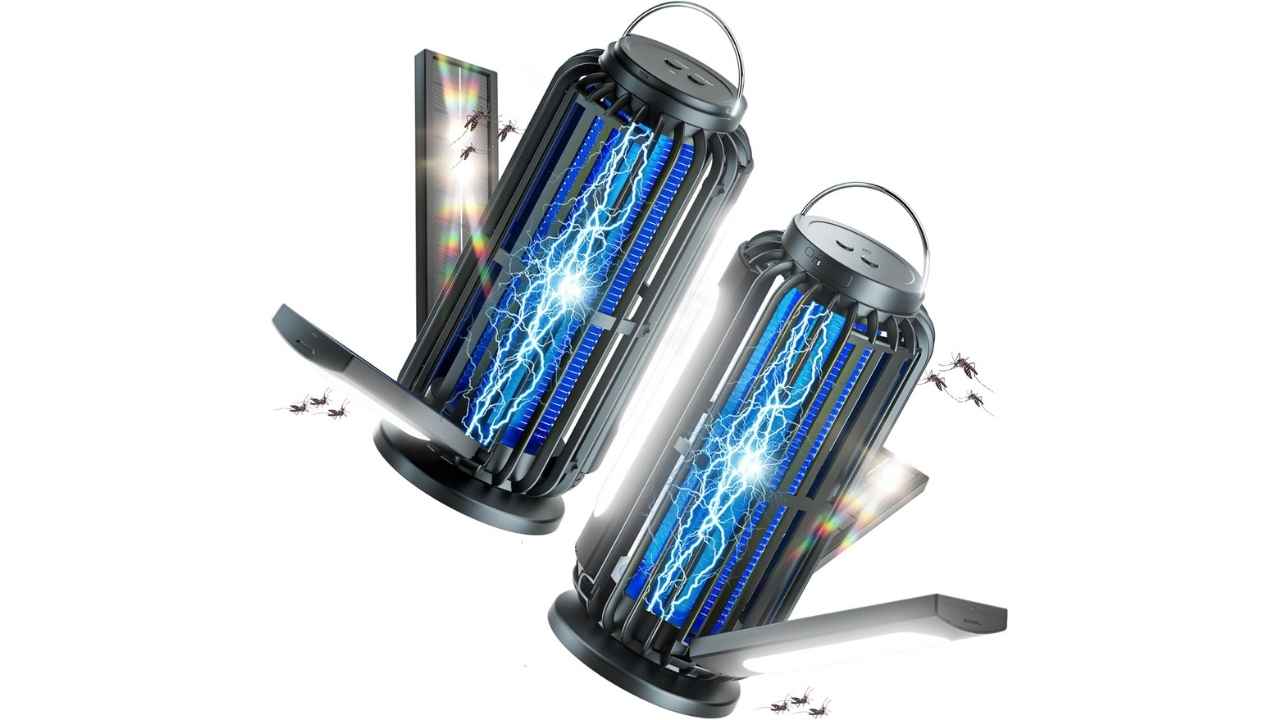 Outdoor essential TYPEC Solar Bug Zapper (36% off) Solar-powered bug zappers for patios and camping. |


