



You’ve been diligently managing your inbox, unsubscribing from countless email lists you no longer want. But suddenly, you’re bombarded with promotional emails that lack an unsubscribe option. Don’t worry – you’re not alone in this frustrating situation. Let’s explore some effective strategies to tackle these pesky emails and keep your inbox clean.

Understanding the problem
Before we dive into solutions, it’s crucial to understand why you’re receiving these emails and why they’re potentially dangerous. First and foremost, never click links or open attachments from unfamiliar senders. These could be phishing attempts or contain malware that could compromise your device and personal information.
Why some emails lack unsubscribe options
Legitimate companies are required by law to include unsubscribe options in their marketing emails. If you’re receiving promotional emails without this option, they might be:
- Spam or phishing attempts
- Emails from companies not complying with regulations
- Transactional emails (which don’t require unsubscribe links)
Top 5 ways to handle promotional emails that don’t provide an unsubscribe option
Promotional emails can be a nuisance, especially when they don’t provide an easy way to unsubscribe. These emails clutter your inbox, making it difficult to find important messages and reducing your overall productivity. Fortunately, there are several effective strategies to manage and reduce these unwanted emails, even when an unsubscribe option isn’t available.
1) Mark as spam: Most email providers, like Gmail and Outlook, have a “Mark as Spam” or “Report Spam” option. When you mark an email as spam, your email provider will automatically filter similar emails into your spam folder in the future. Check out how to stop the never-ending stream of spam emails.
2) Block the sender: If you consistently receive unwanted emails from the same sender, you can block their email address. This will prevent any future emails from that sender from reaching your inbox. However, this may be a temporary solution, as spammers are always changing their email addresses, so this may not be a good long-term solution. It doesn’t hurt to do it, though.
3) Contact the sender directly: Sometimes, reaching out to the sender and requesting to be removed from their mailing list can be effective. Look for contact information within the email or on the sender’s website.
4) Report Phishing and Spam: If you believe that the emails you are receiving are spam or phishing attempts, report them to your email provider.
5) Use a third-party unsubscribe tool: There are several tools available, such as Clean Email, that can help you manage and unsubscribe from unwanted emails, even if they don’t provide an unsubscribe link.
Watch the latest episode of The CyberGuy Report.

Missed this event? Sign up via the registration form and see our live recording.
See Kurt’s latest Amazon picks for useful gadgets, smart home upgrades and everyday tech worth grabbing while the deals last.
Create a private and secure new email address
Did you know you can create a disposable email address? The best way to keep your emails private is to use an encrypted email server. We’ve narrowed down our top choices to protect your privacy here.. Once you have your new email address, you’ll want to slowly start unsubscribing from your old email address and resubscribing to the new email address.
Create an alias email address (for total control)
Yes, we know the thought of creating a whole new email sounds like a lot of work. But we can assure you that it is way simpler than you think, and it will keep your main email address inbox cleaner and more clutter-free than ever before.
What is an alias email address?
An alias email address is a forwarding email address that you can keep separate from your main email inbox, but still have access to all those emails. You can create tons of different alias email addresses depending on what you want that specific alias to be used for. Some examples include:
- Promotional or discount alias for all the stores you shop at
- Work-related alias for all your business emails
- School alias for keeping track of all your assignments
Check out how to create a quick alias email address here
Don’t reveal your email address on public sites
Lastly, don’t post your email address on places like Facebook comments, public message boards, or forums where bots and spammers can get it.
Install strong antivirus software
The best way to safeguard yourself from malicious links that install malware, potentially accessing your private information, is to have antivirus software installed on all your devices. This protection can also alert you to phishing emails and ransomware scams, keeping your personal information and digital assets safe.
- Strong real-time protection against viruses, malware, ransomware and hacking attempts
- AI-powered scam protection to help identify suspicious emails, texts and websites
- Built-in password manager to securely store and manage logins
- 2 GB PC cloud backup to help protect important files from ransomware or hardware failure
- Smart firewall and phishing protection
- Protects 1, 3 or 5 devices
- Available for Windows, macOS, Android and iOS
- Includes real-time threat protection, smart firewall and phishing protection to guard against online attacks
Never let scammers get a hold of your email to begin with
While no service promises to remove all your data from the internet, having a removal service is great if you want to constantly monitor and automate the process of removing your information from hundreds of sites continuously over a longer period of time.
Exclusive Deal for CyberGuy Readers (60% off): Incogni offers a 30-day, money-back guarantee and applies a special CyberGuy discount to all annual plans, for as low as $6.39/month for one person (billed annually) or $13.19/month for your family (up to 5 people) on their annual plan.
I strongly recommend the family plan. Here's why: the scam that starts with a Google search of your name almost always ends with a call to you, your elderly parent or a text to your adult child. Protecting yourself without protecting the people around you is half a solution. At $2.64 per person per month, the family plan covers up to five people, and the people most likely to be the final target are often the ones who'd never think to protect themselves.
Get Incogni and remove your info
Related Articles:
- How to spot wallet verification scam emails
- 8 phishing email scams to watch out for this holiday season
- New email scam uses hidden characters to slip past filters
- How to organize, protect and streamline your inbox with an email alias
Kurt’s key takeaways
We’ve certainly covered a lot of ground in our battle against those pesky promotional emails, haven’t we? It’s clear that while these unwanted messages can be a real headache, we’re not powerless against them. From marking emails as spam to creating alias addresses, we’ve got quite a toolkit at our disposal. Remember, it’s not just about keeping our inboxes tidy – it’s about protecting our digital well-being and privacy too. So, the next time you’re faced with a flood of promotional emails, take a deep breath and put these strategies into action.
Have you ever received an email from a company or person you’ve never signed up for or known? What steps did you take to get rid of these emails? Have you taken any steps to prevent your email address from being spammed in the first place? Let us know in the comments below.
FOR MORE OF MY TIPS, SUBSCRIBE TO MY FREE CYBERGUY REPORT NEWSLETTER HERE
Copyright 2025 CyberGuy.com. All rights reserved. CyberGuy.com articles and content may contain affiliate links that earn a commission when purchases are made.
🎙 Now Streaming: My New Podcast: The CyberGuy Report
Kurt’s Top Deals
Deals move fast and inventory can be limited, so don’t wait too long.
| 🔥 Editor’s pick  Summer entertaining Ninja SLUSHi Machine (26% off) Frozen drinks and slushies at home in minutes. | |
| 💰 Top deal 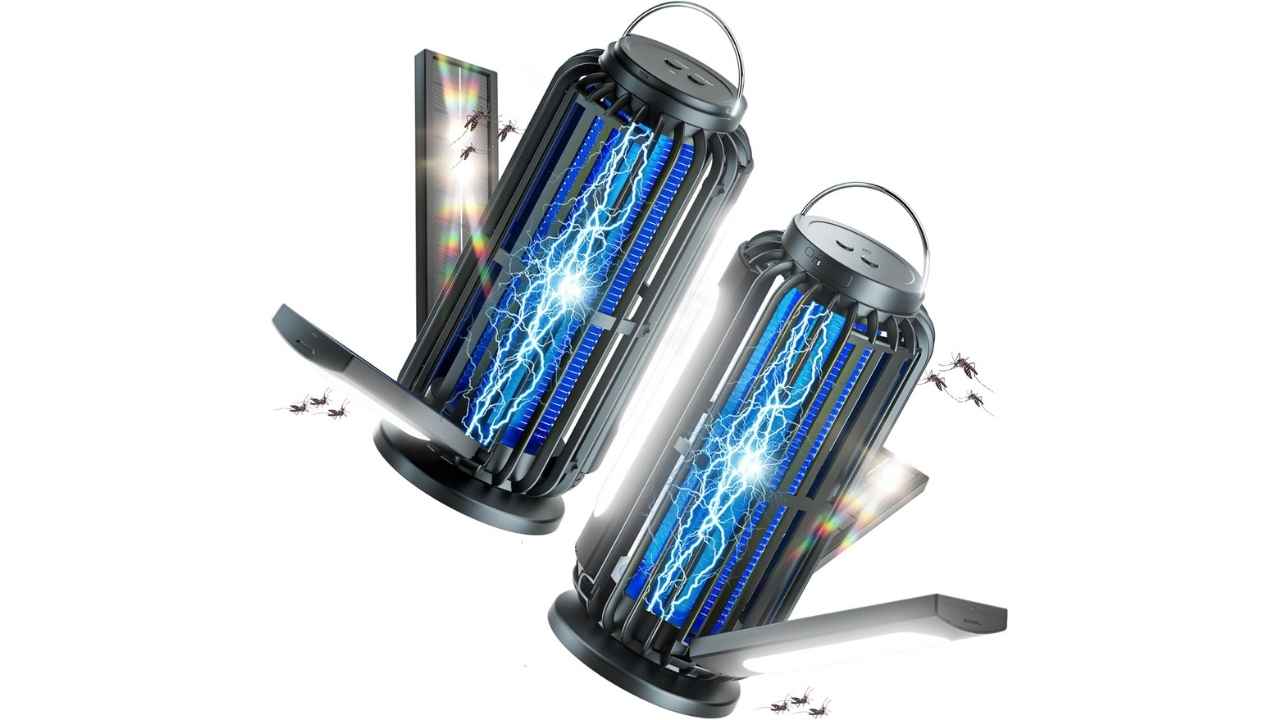 Outdoor essential TYPEC Solar Bug Zapper (36% off) Solar-powered bug zappers for patios and camping. |


6 comments
I’ve noticed another trend. There were three companies that were legitimate. But I no longer wanted to receive the emails, so I unsubscribed. This was more than a year ago; in one case more than three years. Suddenly I started receiving emails from them again–they resubscribed me! I unsubscribed again, and the one that waited three years re-subscribed me again a few months later. That time I reported them as spam. I’m thinking an alias might be a real good thing to stop them.
Hi Linda. Yes, if you use an email alias and make a note as to which companies you created the alias for, you’ll know the source of where the spam is potentially coming from. Then, you can simply delete the alias email so you never get any more emails from this source.
How do I get rid of emails with subject lines like this “—N—ECFo-r–m-u-l—–a–H-e-l-p O–f–fe–r –“?
I receive a lot of nuisance emails with “(no subject)”. These do not display a sender.
I am using Outlook on my PC. AOL is the email carrier. I have tried blocking the sender, marked them as spam, but nothing seems to work.
Hi Don, please try our tips here: How to stop the never-ending stream of spam emails
For emails that don’t provide an ‘unsubscrib’e option, I’ve created a rule in Apple Mail to move any emails coming into my inbox from that email address to a designated folder. I then can look at the email if I need to buy something and want to see if a coupon is available or just delete the entire folder so that they are all removed at once. It really has helped manage my inbox.
I never unsubscribe. First of all I don’t want the sender to know the email is monitored at this address. I also never click on any link sent to me out of concern it may be a bad link. I transfer the email to my junk folder – after that any email from that address is automatically placed in the junk folder on my Mac. I then erase the junk folder. I rather be over cautious.