



Technology is woven into nearly every part of our daily lives, but keeping up with the lingo can feel like learning a new language. Whether you’re troubleshooting a slow laptop, reading about the latest security threats, or just trying to understand what your IT-savvy friend is talking about, knowing the right terms makes all the difference.
This A–Z guide breaks down essential tech concepts in plain, everyday language, no jargon, no confusing buzzwords, so you can confidently navigate the digital world.
Got a tech term you want us to define? Let us know in the comment section below!
| A | B | C | D | E | F | G | H | I | J | K | L | M | N | O | P | Q | R | S | T | U | V | W | X | Y | Z |
A
Ad Blocker: An ad blocker is exactly what it sounds like: a tool, often installed as a browser extension or built into certain browsers, that keeps ads from appearing while you surf the internet. Instead of dealing with flashing banners, pop-ups, or auto-playing video ads, your pages load cleaner, faster, and with fewer distractions. But ad blockers do more than just tidy up your screen. Many also block tracking scripts that advertisers use to follow you across websites, giving you stronger privacy and reducing the chance of accidentally clicking on malicious ads. The benefits are clear: quicker page loads, less data usage, and a safer browsing experience overall.
Tired of pop-ups? Our top options:
- Get TotalAd Block through TotalAV’s $19 antivirus package here
- Get CleanWeb through Surfshark VPN’s package for $1.99/month.
Related Articles:
- True or false: if you get a pop-up message you should turn off your computer immediately
- Facebook crypto ads lead to dangerous malware scams
- How to escape Facebook’s creepy ad tracking
Adware: Adware is short for “advertising-supported software,” and it’s exactly that, programs that sneak onto your device and flood it with unwanted ads. You’ll often encounter adware bundled with free software downloads, where it quietly installs in the background without you realizing. Once it’s there, you might notice pop-ups, banners, or redirects that feel impossible to escape, often slowing down your computer or browser in the process. While not all adware is outright malicious, it’s rarely something you want on your device. Good antivirus programs and built-in browser protections can help block adware before it installs, and being careful with what you download – and where you download it from – is the best defense. If you start noticing a sudden wave of pop-ups or strange ads, chances are adware has found its way in.
Related Articles:
- Beware of these popular Android apps containing deceptive adware
- Facebook crypto ads lead to dangerous malware scams
- Is your smartphone spying on you without you even knowing it?
Watch the latest episode of The CyberGuy Report.

Missed this event? Sign up via the registration form and see our live recording.
See Kurt’s latest Amazon picks for useful gadgets, smart home upgrades and everyday tech worth grabbing while the deals last.
AI (Artificial Intelligence): Artificial Intelligence, or AI, is the technology that enables computers and machines to mimic human thinking, learning, and problem-solving. Instead of just following rigid instructions, AI systems analyze patterns in massive amounts of data and adapt over time, getting “smarter” the more they process. This allows them to perform tasks that traditionally required human intelligence, like recognizing speech, understanding language, making predictions, or even generating creative content.
Related Articles:
- 5 AI terms you keep hearing and what they actually mean
- 5 best ways to research someone online with AI
- More Americans are turning to AI for health advice
- The 10 telltale signs of AI-created images
- AI and learning retention: Does ChatGPT help or hurt?
Airplane Mode: Airplane Mode shuts off your phone’s wireless signals-cellular, Wi-Fi, Bluetooth-to avoid interfering with flight systems. The most important one? Cutting cell signals, which can mess with navigation. Pilots say yes, it does matter. Plus, no background connections = faster charging, fewer distractions, and better battery life. Pro tip: Even on the ground, it’s a great way to save power or unplug for a bit. When you’re ready to reconnect, let’s make sure you’re getting the best travel experience possible – here’s my guide to the best travel gear of 2025
Related Articles:
- 5 reasons why you want to use Airplane Mode more often
- The Best Travel Gear for 2025
- How to minimize your digital footprint when you travel
AirDrop: AirDrop is Apple’s built-in feature for wirelessly sharing photos, files, links, and more between nearby Apple devices. Instead of texting or emailing yourself a document, you can simply select AirDrop and send it instantly to an iPhone, iPad, or Mac within range. It works by using Bluetooth to detect nearby devices and then switching to a direct Wi-Fi connection for the actual transfer. This means the exchange is fast, secure, and doesn’t require an internet connection or mobile data.
Related Articles:
- How to use AirDrop on all your Apple devices
- Avoid iPhone privacy disasters with these 10 smart tips
Android: A mobile operating system created by Google. It powers smartphones and tablets from brands like Samsung, Google Pixel, and Motorola, and supports millions of apps from the Google Play Store.
Related Articles:
- Top Android phones of 2025
- How to cancel subscriptions on an Android to save money
- How to disable Gemini AI on Android and keep control of your apps
- How to change your privacy settings on Android
- Android security upgrades outsmart scams and protect your privacy
Antivirus Software: A program that scans your device for harmful files, viruses, and malware, then removes or blocks them. Many antivirus tools also run in the background to catch threats in real time.
Related Articles
- Best Antivirus Protection 2025
- Free antivirus software: Should you use it?
- Does my iPhone need antivirus protection?
- Best Antivirus for Androids CyberGuy Picks 2025
- Is your VPN enough without antivirus protection?
App: Short for “application,” this is a program designed to run on a phone, tablet, or computer. Apps can do almost anything, stream music, track fitness, manage money, or send messages.
Related Articles:
- Top 20 apps tracking you every day
- Which apps are draining your phone’s battery?
- How to disable Gemini AI on Android and keep control of your apps
- Best secure messenger apps
- Best free apps to edit photos and videos in 2025
App permissions: Before that photo editor or budgeting app even opened, it likely asked for access to your camera, mic, contacts, or even your calendar. These are app permissions, and while some are necessary, others can be suspicious. A flashlight app doesn’t need your call logs. Review your settings, delete what you don’t use, and remember: your data shouldn’t be the price of convenience. Your data shouldn’t be the price of convenience. Curious how much “free” apps are really costing you? Read more about how your info could be getting scooped up and spread online.
Related Articles:
- Top 20 apps tracking you every day
- The hidden costs of free apps: Your personal information
- Is that iPhone App spying? Apple’s Privacy Report reveals all
Attachment: An attachment is a file sent along with an email-think of it like tucking a document or photo inside a digital envelope. Attachments can be almost anything: photos, PDFs, spreadsheets, Word documents, or even zipped folders containing multiple files. They’re a convenient way to share information, whether it’s a work report, a set of vacation pictures, or an event flyer.
Related Articles:
- Watch out for malware in images in email attachments
- The surprising reason you should not delete spam emails
- Don’t click that link! How to spot and prevent phishing attacks in your inbox
Augmented Reality (AR): Technology that adds digital elements to the real world, often viewed through your phone’s camera or AR glasses. Think Snapchat filters that put sunglasses on your face, or apps that let you see how a new couch would look in your living room.
Related Articles:
- Meta unveils new AR glasses with heart rate monitoring
- Apple Vision Pro brings a burst of bizarre to Zoom calls
- Balancing the promise of new VR tech’s X-Ray vision with privacy concerns
- These high-tech glasses will subtitle real-life conversations
B
Backup: A backup is basically a spare copy of your files saved somewhere safe, like an external hard drive or the cloud. If your device crashes, gets lost, or dies on you, a backup makes sure your photos, documents, and everything else aren’t gone for good.
Related Articles:
- How to back up your devices the right way
- How to back up your Windows computer
- How to backup your Mac computer
- Is Google Drive safe for backup? Pros and cons
- How to backup photos the right way
🔋Battery Icon: The battery icon is the little symbol on your screen that shows how much charge your device has left. It usually changes color or fills up and down to let you know when it’s time to plug in.
Related Articles:
- Which apps are draining your phone’s battery?
- Top 10 tips to maximize your iPhone’s battery life
- Should you replace your phone battery or buy a new phone?
- How to keep your phone battery charged longer
- What’s really killing your laptop battery?
🔔 Bell Icon: The notification bell is the little bell symbol you see in apps and websites. It lets you know when there are new messages, updates, or alerts waiting for you.
Related Articles:
- How to manage social media notifications and regain control
- Don’t get fooled by fake phone updates and notifications
Biometrics: Biometrics is security that uses your body, like a fingerprint, face scan, or even your voice, to unlock devices or log into accounts. It’s a quick way to prove it’s really you without typing a password.
Related Articles:
- Biometric iris scanning launches in US cities for digital identity
- Hackers are bypassing fingerprint scanners to steal your identity
- Looking for more ways to lock down your Android? Here’s how to do it
- How to protect your Android from a banking threat that bypasses fingerprint unlock and steals your PIN
- How to securely lock your iPhone and iPad from prying eyes
Blockchain: A blockchain is a secure digital ledger that keeps a record of transactions, like a checkbook, but online. Instead of one person or company controlling it, the records are stored across many computers, making it hard to hack or change. Each “block” of information is linked to the previous one, creating a “chain” that ensures accuracy. It’s the technology behind cryptocurrencies like Bitcoin, but it’s also used for things like tracking shipments or verifying contracts.
- Is that crypto email legit or just another scam?
- Rising crypto scams leave Americans reeling from billions in losses
- Facebook crypto ads lead to dangerous malware scams
Bluetooth: Bluetooth has been around for decades, but what exactly is it? Simply put, Bluetooth is a short-range wireless technology that allows devices to communicate with each other without the need for cables. Whether it’s connecting your wireless earbuds to your phone or syncing a tracker to your keys, Bluetooth uses radio waves to transfer data. Invented in the ’90s, and named after Viking king Harald Bluetooth, who united Denmark and Norway, this technology revolutionized how devices communicate. It’s now a staple in everyday gadgets, making it easier than ever to connect and share data wirelessly.
Related Articles:
- Bluetooth flaw exposes millions of premium headphones to spying
- The Best Bluetooth Trackers of 2025
- Detect a creep’s unwanted Bluetooth tracker with Google’s new safety feature
- Ask Kurt: Why is my Bluetooth connection always so spotty?
- How to connect your AirPods to your PC and Android devices
Bookmark: A bookmark is a saved shortcut to a specific webpage, letting you return to it quickly without having to retype the address or search for it again. It’s the digital equivalent of sticking a tab in a book so you can instantly flip back to the page you want later. Whether it’s a recipe, a news article, or your favorite shopping site, bookmarks make it easy to keep track of the places you visit most online.
Related Articles:
Bot Account: A Bot Account is a fake or automated profile, usually controlled by software instead of a real person. These bots can like, comment, or share posts to spread spam, push opinions, or make something seem more popular than it really is. You might encounter bot accounts on social media platforms like Instagram, Twitter, or Facebook, where they can flood comment sections, inflate follower counts, or push clickbait content. If an account seems overly generic, posts too frequently, or only shares trending content without any personal touch, it’’s probably a bot.
Related Articles:
- How AI chatbots are helping hackers target your banking accounts
- Meta deletes 10 million Facebook accounts this year but why
Botnet: A botnet is a network of hacked devices controlled by cybercriminals-often without the owners knowing. These infected devices (bots) are used to send spam, steal data, or launch cyberattacks. How Do Devices Get Infected? Clicking bad links or downloading sketchy files, unsecured smart devices (like cameras or routers), weak passwords hackers can guess. Stay protected with my top antivirus pick here.
Botnets turn everyday devices into cyber weapons – stay protected and don’t be part of the zombie army.
- FBI busts alleged mastermind behind massive network of hijacked devices
- FBI warns over 1 million Android devices hijacked by malware
- Is your home Wi-Fi really safe? Think again
Browser: A browser is a program like Chrome, Safari, or Firefox that lets you access and view websites. It’s your window to the internet, just type in a web address, and you’re off. But, not all browsers are created equal.
Related Articles:
- The safest way to browse the web: VPN Browsing
- How to set your preferred web browser on your desktop and mobile devices
- How to group tabs in different browsers to stop tab overload
- How to tell if your browser has been hijacked
- Top browser extensions to make your life easier
Broadband: Broadband is your fast track to high-speed internet, letting you stream, browse, and download without the frustration of slow connections. While it comes in all different forms, the most popular? DSL, Fiber, and Cable. DSL uses old phone lines for internet – it’s not the fastest but is widely available, especially in rural areas. Cable runs through TV coaxial cables and offers faster speeds, though it can slow down during peak usage. Fiber is the fastest option, using fiber optic cables buried underground for ultra-fast speeds, but it’s only available in select cities and urban areas. For those always on the go, wireless options like 4G and 5G are great for mobile hotspots. And if you live way out in the sticks, satellite internet can keep you connected, though it’s slower and can be pricier due to the signal traveling to space and back. For faster ways to speed up your WiFi, check out my guide. Plus, find the best internet plans in your area to ensure you’re getting the fastest, most reliable connection possible.
Related Articles:
Browser History: Browser history is the built-in record of all the websites you’ve visited. You can scroll back through it to find old pages, or clear it if you don’t want a trail of your browsing saved.
Related Articles:
- How to keep your browsing history private
- How your browser is spying on you. Hidden dangers lurking behind every click
- How to delete embarrassing autofill entries on your PC and Android browsers
- How to delete embarrassing autofill entries on your Mac or iPhone browsers
Buffering: Buffering refers to the process of temporarily storing data while it’s being transferred, usually to avoid interruptions. It’s something you’ve probably seen when streaming videos online-when the video freezes for a moment with a spinning circle, that’s buffering in action. It happens because the device needs to load enough of the content before it can play smoothly. Essentially, buffering helps ensure a seamless experience, but when it takes too long, it can be a real pain. Of course, you can make it easy for your loved ones by sharing that long YouTube video from a specific timestamp, eliminating the need to scrub through the clip to find the exact moment you’re looking for.
Burner Account: Think burner phone, but for social media. These throwaway accounts are used to browse, comment, or spy without exposing a real identity. Sometimes harmless, but often shady, burner accounts can be a red flag for trolling, catfishing, or anonymous harassment. If you notice odd followers or vague profiles creeping around, it might be time to tighten your privacy settings; or, learn to hide your number in plain sight. My pick for that nifty trick is Surfshark’s Alternative Number, giving you a secure, virtual number you can use online instead of your own. Check it out here.
Related Articles:
Buy Now, Pay Later: You’ve probably seen “Pay in 4” or “Buy Now, Pay Later” (BNPL) at checkout. Some websites and services allow you to split purchases into smaller payments over time, typically with no interest if paid on schedule.
Why it matters:
-
- Makes big-ticket items more accessible.
- Helps you budget, but late fees can add up.
- Retailers sell more by lowering the upfront cost.
If you want even more ways to manage expenses, take a look at my guide on saving big at the grocery store using simple, proven hacks. For even more ways to stretch your dollars, check out my guide on the best ways to save money on gas with apps and loyalty programs.
C
Cache: Cache (pronounced “cash”) is like a temporary storage bin that helps your device load things faster. Your phone, computer, or browser (Chrome, Safari, Edge, etc.) saves bits of websites, images, and data so that next time you visit, it loads quicker instead of downloading everything again. Why a cache is helpful: Frequently visited websites and apps load faster. Reduces the need to re-download the same content. Makes browsing and using apps feel smoother.
Related Articles:
- How to clear cache on your iPhone to speed up your device
- How to clear cache on an Android for improved performance
CAPTCHA: Ever had to click on pictures of traffic lights or type in wavy letters before logging into a website? That’s a CAPTCHA-a simple test designed to tell humans and bots apart. Websites use CAPTCHAs to block automated programs (like spam bots) from accessing accounts, submitting fake forms, or posting junk. The name stands for “Completely Automated Public Turing test to tell Computers and Humans Apart.” So what’s a Turing test? Named after computer scientist and WW2 codebreaker Alan Turing, it’s a challenge to see if a machine can act so much like a human that people can’t tell the difference. CAPTCHAs flip the idea around-making sure you’re human, not a bot! Follow my guide to learn how to spot the signs of a fake CAPTCHA designed to download malware.
- CAPTCHAgeddon signals a dangerous shift
- Malware targets Mac users with fake CAPTCHA and AMOS Stealer
- From CAPTCHA to catastrophe: How fake verification pages are spreading malware
CC/BCC: Believe it or not, you may already know what the nicknames for these tech terms come from: If you’ve ever sent an email, you’ve probably seen CC and BCC-but what are they for? CC stands for “Carbon Copy,” a throwback to the days of typewriters when carbon paper made duplicate copies. In email, it means sending a copy of your message to someone so they can stay informed. Everyone can see who’s been CC’d, making it great for keeping people in the loop without needing them to respond. BCC stands for “Blind Carbon Copy.” It’s like CC but private-recipients in the BCC field get the email, but their names and addresses aren’t visible to others. This is handy for group emails where you want to protect privacy or avoid a reply-all storm. These tools help you manage communication and keep everyone on the same page. Looking to switch up your email provider? Check out my picks – I’ll take you through the pros and cons.
Related Articles:
Cloud Storage: iCloud storage is like a digital filing cabinet that lives on the internet instead of in your home. Instead of saving your photos, documents, or videos on your computer or phone, they’re sent to powerful computers called servers owned by companies like Google or Apple. These companies keep your files safe, and you can reach them anytime by logging into your account from any device connected to the internet-kind of like having a magic box you can open from anywhere. Here are my top picks for cloud storage you can access anywhere.
Related Articles:
- Don’t fall for that sneaky iCloud storage alert in your inbox
- Space running low? Securely store your heavy files with these free cloud storage solutions
- Ask Kurt: Maxed-out your iCloud?
- Best ways to delete unnecessary files from your iCloud to free up storage
- How to delete photos from your iPhone while still keeping them in iCloud
Contacts: Contacts are your device’s built-in digital address book, storing the details you need to stay connected with people in your life. At the simplest level, a contact entry includes a name, phone number, and email address, but modern devices let you save much more-like profile photos, birthdays, mailing addresses, company info, and even custom notes. This makes calling, texting, or emailing someone just a tap away.
Related Articles:
- Lost your contacts on your phone? Here’s how to get them back
- Android malware poses as fake contacts to steal your personal data
- How to block a phone number or text on your smartphone
- How to associate a ringtone with one of your contacts on your phone
Cookies: Cookies are tiny text files that websites store on your device to remember information about you and your browsing session. They’re what make the internet feel more personal and convenient-without them, you’d have to log in every time you visited a site, re-add items to your shopping cart, or reset your language and layout preferences each visit.
Cut, Copy, Paste: Cut, Copy, and Paste are the go-to commands for moving or duplicating text, files, or images. Cut removes something so you can place it elsewhere, Copy makes a duplicate, and Paste drops it into the new spot.
-
- Windows: Ctrl+X (Cut), Ctrl+C (Copy), Ctrl+V (Paste)
- Mac: Command+X, Command+C, Command+V
Cyber Monday: Cyber Monday is the internet’s biggest shopping day of the year, a digital follow-up to Black Friday where retailers drop some of their steepest online-only deals. From gadgets to home upgrades, it’s the moment when prices fall fast and inventory disappears even faster. You’ll find today’s best savings across all your favorite online retailers, click here for my full guide on exactly what to shop, before time runs out.
D
Dark Web: The Dark Web is a hidden part of the internet that isn’t indexed by search engines and requires special software, like the Tor browser, to access. Originally developed by the U.S. Navy in the 1990s for secure communications, it’s now used both for legitimate purposes, like protecting free speech, and for illegal activities, such as selling stolen personal data. If you want to make sure your data stays out of nefarious hands, and away from the Dark Web, consider identity monitoring services like Incogni that can scour the internet for your data, and remove it for you.
Related Articles:
- 1.7 billion passwords leaked on dark web and why yours is at risk
- What to do if your personal information is on the dark web
- How to protect yourself when your cell phone number is exposed on the dark web
Deepfake: A deepfake is AI-generated media, images, video, or audio — that can look and sound convincingly real even though it’s completely fabricated. This technology can be used for entertainment, but it’s increasingly tied to scams, misinformation, impersonation, and digital fraud, making it an important cybersecurity concern. As deepfakes become more realistic, learning how to question and verify what you see online is more important than ever.
Want to learn how to spot AI images? Play our Find the Fake game and test whether you can tell what’s real and what’s artificially generated.
Dropshipping: Dropshipping is a retail model where the seller doesn’t keep products in stock. Instead, when you place an order, it’s sent directly to a third-party supplier who ships it straight to your door.
How it works:
- You buy from an online shop.
- The shop forwards your order to a manufacturer or wholesaler.
- That supplier handles storage, packing, and shipping.
Why it’s popular:
- Entrepreneurs can start online stores without investing in warehouses.
- Stores can offer a wide variety of products without holding inventory.
The downside? Shipping times may be longer, product quality can vary, and customer service sometimes suffers since the seller isn’t handling the goods directly. Still, dropshipping has become a cornerstone of e-commerce, powering countless online shops you scroll past every day. For some advice on how to start and grow an online store, visit CyberGuy’s guide on 10 easy ways to help launch a successful online shop.
Data (Mobile Data): Mobile data is the internet your phone uses through your cellular carrier when you’re not on Wi-Fi. It’s what lets you browse, stream, or use apps on the go, though it usually comes with a monthly limit or plan cost.
Related Articles:
- Ask Kurt: Is it more secure to use my cell phone data vs. WiFi?
- Reclaim your privacy by disabling your cell phone carrier’s data tracking
- 10 simple steps to improve your smartphone’s security and privacy
Desktop: A desktop is a stationary computer that usually sits on a desk and is often more powerful than a laptop. It typically comes with a separate monitor, keyboard, and mouse, making it great for work, gaming, or heavy-duty tasks.
Related Articles:
- Best desktop computers for 2025
- How to set your preferred web browser on your desktop and mobile devices
Digital Footprint: Every click, like, post, and even that tweet you thought you deleted-it all leaves a mark. That’s your digital footprint, and yep, it’s basically your online shadow. From future employers to random strangers, people can (and will) piece together your internet past. Want to clean things up? Check out our guide on how to scrub yourself off the internet.
Related Articles:
- How to minimize your digital footprint when you travel
- Take back your privacy: How Incogni helps you to erase your digital footprint
Digital Wallet: A digital wallet is exactly what it sounds like: a virtual version of your physical wallet, stored on your smartphone, tablet, or smartwatch. Instead of pulling out a card, you can use apps like Apple Pay, Google Wallet, or Samsung Wallet to tap and pay at checkout. But it doesn’t stop there, digital wallets can also hold boarding passes, event tickets, loyalty cards, insurance info, and more. They’re protected by encryption and require things like a fingerprint, face scan, or passcode to unlock, making them more secure than a traditional wallet. In many states, you can now add your driver’s license to your digital wallet too.
Related Articles:
- Stop carrying your physical driver’s license and add it to your Apple Wallet
- How to buy stuff with your iPhone using Apple Pay
- Say hello to Google Wallet’s 6 amazing features for Android devices
- How to buy stuff with your iPhone using Apple Pay
Download: To download means to transfer a file from the internet to your device. It could be a photo, app, song, video, or document, and once it’s downloaded, you can open it anytime-even without internet. Downloads usually land in a special “Downloads” folder on your phone or computer.
Related Articles:
Doxxing: Doxxing is the act of publicly sharing someone’s private information, like their home address, phone number, or workplace, online – without their consent. It’s often used to intimidate, harass, or incite online mobs. Why it matters: Even seemingly harmless details, like tagging your location in real time, can be used against you. What to do: Avoid oversharing personal info on public profiles. Use a P.O. box or alias when possible, and be cautious about what you share in forums or comment sections. If it’s something you’re worried about, it may be time to consider how to remove your data from the internet
Related Articles:
Drag and Drop: Drag and drop is a simple way to move things around on a screen. You just click (or tap) and hold an item, drag it to a new spot, and then let go to drop it. It’s handy for moving files into folders, rearranging apps, or placing images into a document.
E
E-Reader: An e-reader is a handheld device made for reading digital books. The most popular one is Amazon’s Kindle, but there are others too. They use special screens that are easy on the eyes and let you carry thousands of books in one lightweight device.
Related Article:
Email: Email is short for electronic mail, messages, files, and images that are sent over the internet. You can use it for anything from quick notes to sharing documents, and it works across devices almost instantly.
Related Article:
Encryption: Encryption turns your data into unreadable code, ensuring only the intended recipient can access it. It’s used in everyday tech like secure websites, messaging apps (such as Signal and WhatsApp), and Wi-Fi networks to protect sensitive information, including passwords and financial details. While encryption keeps your data safe from hackers, it’s important to remember that it can’t protect against risks like device-level hacks or accidental leaks in shared conversations.
Related Article:
Error Message: ⚠️ An error message is a notification that something isn’t working right on your device or app. It could pop up when a webpage won’t load, a file can’t be found, or a program crashes-basically your system’s way of saying, “Something went wrong.”
Ethernet Cable: An Ethernet cable is the wired cord that connects your device to the internet. It plugs into your router or modem and usually gives you a faster, more stable connection than Wi-Fi.
Related Article:
F
Facebook: Facebook is a social media platform where you can connect with friends and family, share updates, photos, and videos, and join groups or communities around your interests. It’s one of the biggest social networks in the world and is now part of Meta, the company that also owns Instagram and WhatsApp.
Related Articles:
- Facebook crypto ads lead to dangerous malware scams
- How to quickly recover a disabled Facebook account
- Meta adds teen safety features to Instagram, Facebook
- Meta deletes 10 million Facebook accounts this year but why
- Cloned on Facebook? Here’s how to take back control
Factory Reset: Ever wish you could hit reset on your phone or computer and make it feel brand new? That’s exactly what a factory reset does-it wipes everything, from apps to photos, and brings your device back to its original settings. Perfect for fixing glitches, speeding things up, or making sure your info is gone before selling your gadget. Just don’t forget to back up your data first, because once it’s wiped, you’ll need to re-download your apps, restore your files, and set things up again from scratch.
Related Articles:
- How to factory reset your Android
- How to factory reset your iPhone
- How to securely get rid of your old cell phone
- How to securely get rid of your old PC or Mac
Favicon: A favicon (short for “favorite icon”) is that tiny image or logo you see next to a website’s name in your browser tab. It’s usually just a small square version of the site’s logo, but it makes it easy to spot which tab is which when you’ve got a bunch open. In fact, if you’re on a computer, head to cyberguy.com right now – you’ll likely see a little blue “CG” logo right next to the page title in the browser tab. That’s the favicon for this site. Favicons also show up in your bookmarks, search history, and saved favorites, helping you quickly recognize your go-to websites. It’s a small detail, but a familiar one that helps you navigate the web at a glance.
File: A file is a single digital item stored on your device, much like a sheet of paper in the physical world. Files can be almost anything-photos, documents, songs, videos, spreadsheets, or apps-and they’re the basic building blocks of how computers and phones store information. Each file has a name, type (like .jpg, .docx, or .mp3), and size, which helps your device know how to open and use it. Files can be saved locally on your computer or phone, on external drives, or in the cloud, where they’re accessible from anywhere with an internet connection. You can organize them into folders, back them up for safety, or share them with others through email, messaging apps, or cloud services like Google Drive, Dropbox, or iCloud.
Related Article:
Firewall: A firewall is a security system that acts as a digital wall between your device or network and the outside internet. It carefully monitors traffic, allowing safe information to pass through while blocking suspicious or unauthorized access attempts. Think of it like the bouncer at a club, only letting in people who are on the list and keeping everyone else out. There are different kinds of firewalls. Software firewalls come built into operating systems like Windows and macOS, while hardware firewalls are often built into routers, protecting every device on a network. Businesses may even use advanced firewalls to filter traffic more precisely, stopping malware or hackers from slipping in.
Related Article:
Flash Drive: A flash drive, sometimes called a USB stick, thumb drive, or memory stick, is a small, portable storage device that plugs into a computer’s USB port. It lets you save, transfer, or back up files quickly, without relying on the internet. Despite their small size, flash drives can hold anywhere from a few gigabytes to hundreds of gigabytes of data, making them useful for documents, photos, music, and videos.
Related Articles:
- Best USB Flash Drives 2025
- Hackers using malware to steal data from USB flash drives
- Transferring data from an old laptop to a new one
- How to transfer photos and videos off your phone
- How to back-up your devices the right way
Folder: A folder is a digital container that helps you organize files, just like a filing cabinet or binder keeps papers sorted in the physical world. Instead of letting documents, photos, or projects pile up in one place, folders allow you to group related items together so they’re easier to find and manage. For example, you might have a folder for work projects, another for vacation photos, and a third for school assignments. Folders can be nested inside each other, creating a hierarchy that reflects how you like to organize. A “Photos” folder, for instance, might have subfolders for each year, trip, or event. On most devices-whether it’s a computer, phone, or cloud service-you can rename, move, and customize folders to suit your workflow.
Related Article:
Forwarding: Forwarding is when you take an email you’ve received and send it along to someone else. It’s a quick way to share info without rewriting the whole message.
Frozen Screen: A frozen screen happens when your device stops responding to touches or clicks. It feels like everything’s stuck, and usually the fix is to restart the app or the whole device.
Related Articles:
- Why does my PC freeze and how do I fix it? Expert answers
- Why does my Mac freeze and how do I fix it?
G
Glitch: A glitch is a short-lived error or malfunction in technology, something goes wrong, but only for a moment. Unlike a permanent bug, glitches are usually temporary hiccups that cause strange behavior, like a frozen screen, graphics flickering, distorted audio, or an app suddenly closing. They often fix themselves after a restart or refresh. Glitches can happen in software, hardware, or websites and are often caused by minor coding errors, overloaded memory, or conflicts between programs. While most glitches are harmless annoyances, they can sometimes disrupt important tasks-like freezing during a video call or messing up a video game right in the middle of play.
Related Article:
H
Hard Drive: The main long-term storage in your computer. It saves your files, programs, and operating system so they’re available even after you power down. Comes in HDD (spinning disks) or SSD (faster solid state).
Related Articles:
- Best external hard drives
- How to easily transfer files and photos off of a computer to your hard drive
- How to back-up your devices the right way
- How to free up space on a PC
- How to manage photos and videos on a new laptop with limited space
HDMI (High-Definition Multimedia Interface): HDMI is one of the most common ways to connect devices for high-quality video and sound. It’s a single cable that can carry both HD or 4K video and digital audio at the same time, which makes it simpler than older setups that required multiple cords. You’ll find HDMI ports on laptops, TVs, monitors, gaming consoles, Blu-ray players, and even streaming devices like Roku or Apple TV.
Related Article:
Homepage: A homepage is the main entry point to a website or the first page that appears when you open your browser. In the context of a website, the homepage acts like a digital front door, it introduces the site’s purpose and gives you pathways to explore more. For example, a news site’s homepage might highlight top stories, while a shopping site’s homepage showcases featured products and deals. Check ours out here.
Hotspot: A “hotspot” is simply a place where you can connect to the internet using a wireless signal. Think of it like a Wi-Fi station, but it doesn’t have to be at home or in an office. Hotspots can be found in public places like coffee shops, airports, or even in your own phone. If you’re out and about and need to get online, you can use your phone’s mobile hotspot feature to share its internet connection with your other devices, like a tablet or laptop. It’s a handy way to stay connected when you’re away from your regular Wi-Fi. Check out my top picks for best hotspots.
Related Articles:
- How to set up a personal hotspot so you can stay connected from anywhere
- Cell phone boosters vs mobile hotspots: What’s the difference and how do you choose?
- How to secure your hotspot privacy and security with a VPN
I
Inbox: The inbox is the main folder in your email app where new and incoming messages arrive. Think of it as your digital mailbox-it’s the first place you check when you open Gmail, Outlook, Yahoo Mail, or Apple Mail. Every email that comes in lands here by default, whether it’s a note from a friend, a work update, or a shipping confirmation from an online order. Modern inboxes do more than just collect mail. They often use filters or tabs to sort messages automatically-like separating primary mail, promotions, social updates, and spam-so you don’t have to dig through clutter to find what’s important. Features like search bars, flags, and folders make it easier to keep your inbox organized, while tools like priority inboxes or VIP lists highlight messages from your most important contacts.
Related Article:
Incognito / Private Browsing: Incognito (in Chrome) or Private Browsing (in Safari, Firefox, and other browsers) is a special mode that lets you surf the web without leaving a trail on your device. When you open a private window, your browser won’t save your history, cookies, site data, or logins once you close it. That means if you’re shopping on a shared computer, researching a surprise gift, or signing into email on someone else’s laptop, nothing will remain saved after the session ends. But it’s important to know what Incognito does not do. Private browsing only hides activity from others using the same device-it doesn’t make you invisible online. Your internet service provider, employer, school, or the websites you visit can still track your activity. Advertisers may also identify you through your IP address or other tracking tools.
Related Article:
Instagram: Instagram is one of the world’s most popular social media apps, built around sharing photos, videos, and stories with friends, followers, or the public. Launched in 2010 and now owned by Meta (formerly Facebook), the app has grown far beyond simple photo sharing. Today, it’s a hub for messaging, shopping, live streaming, and short-form video through Reels, making it both a creative platform and a global marketplace.
Related Articles:
iPhone: The iPhone is Apple’s flagship smartphone, first released in 2007, and it has since become one of the most influential tech products in the world. Running on Apple’s iOS operating system, the iPhone introduced the now-standard features of modern smartphones: a large touchscreen interface, a built-in camera, mobile internet browsing, and access to apps through the App Store.
Related Article:
- Update your iPhone now: iOS 18.6 fixes 29 security flaws
- iPhone notes trick lets you message in secret
- How to quickly cancel unwanted iPhone subscriptions in 6 steps
- How to use iPhone’s mic mode for crystal-clear, noise-free calls
- How to easily record phone calls on your iPhone
ISP (Internet Service Provider): The company that gives you internet access, like Comcast, Spectrum, or Verizon. Your ISP connects your home or mobile device to the wider internet.
L
Lag: A delay between when you take an action and when your device or game responds. Common in video calls, streaming, or online gaming when internet speeds slow down.
Laptop: A portable computer with a built-in screen, keyboard, and battery. Designed for mobility, it runs most of the same programs as a desktop.
Related Articles:
- Best Laptops for 2025
- Transferring data from an old laptop to a new one
- How to manage photos and videos on a new laptop with limited space
Large Language Model (LLM): A large language model (LLM) is an advanced type of artificial intelligence trained on enormous amounts of text to understand, predict, and generate human-like language. By analyzing patterns in words and sentences, it can hold conversations, answer questions, summarize complex information, translate languages, and even write articles or code. LLMs power tools like ChatGPT and are increasingly being used in education, healthcare, customer service, and everyday apps to make information easier to access and tasks quicker to complete.
Like: A quick way to show approval or enjoyment of a post on social media by clicking a thumbs-up, heart, or similar button.
Link (Hyperlink): Clickable text or images that take you to another webpage or file when clicked. Often shown in blue and underlined.
Lock Icon: A padlock symbol in your browser that means the site has a secure (https) connection. It signals that information sent between you and the website is encrypted.
M
Malware: Malware, short for “malicious software,” is any program designed to harm your device, steal information, or spy on your activity. Unlike regular apps, which are built to help you, malware works against you-slowing down your system, locking files for ransom, or secretly gathering personal data. Common types of malware include viruses, worms, trojans, spyware, adware, and ransomware.
Related Articles:
- Best Antivirus Protection 2025′
- Facebook crypto ads lead to dangerous malware scams
- SparkKitty mobile malware targets Android & iPhone
- Malware targets Mac users with fake CAPTCHA and AMOS Stealer
- FBI warns over 1 million Android devices hijacked by malware
Machine Learning: Ever wonder how Netflix knows what you want to watch or how your email catches spam before you even see it? That’s machine learning, a type of artificial intelligence (AI) that teaches computers to learn from data and improve over time without needing to be manually programmed. How Machine Learning Works: The more data it processes, the smarter it gets, like recognizing your voice in a smart assistant. It also adjusts based on new information. Where You See Machine Learning Every Day: Siri, Alexa, and Google Assistant understand and respond better over time. Netflix, Spotify, and YouTube suggest content based on what you watch or listen to. Email services and banks use it to spot scams before you do. Machine learning is behind the smart tech you use daily, making your devices more helpful, personalized, and sometimes eerily good at guessing what you want next. Beyond apps and streaming, machine learning is also powering breakthroughs in robotics, from open-source training data that teaches humanoid robots to move, to AI models that help them understand natural language and even mimic human emotions.
Related Articles:
- Chinese tech firm shares robot training secrets with the world
- Meet the humanoid robot that learns from natural language and mimics human emotions
Modem: A device that connects your home to the internet through your ISP. It translates signals from your provider into usable internet for your devices.
Related Articles:
N
Notifications: Alerts from apps or devices about new emails, messages, updates, or reminders. They pop up on your screen or appear in a notification center.
NFC (Near Field Communication): Short-range wireless technology used for tap-to-pay services (like Apple Pay or Google Wallet) and pairing devices. Works only a few centimeters away.
O
Operating System: Think of your device’s operating system (or OS) as the “boss” that runs everything. It’s the main software that helps all the apps and programs on your device work together. Whether you’re using a smartphone, tablet, or computer, the operating system makes sure everything runs smoothly, like how a conductor leads an orchestra to make beautiful music. Here’s a short list for you:
-
- iOS is the operating system on iPhones and iPads.
- Android is the OS on many smartphones and tablets.
- Windows is used on most PCs and laptops.
- macOS is the operating system for Apple computers.
- Linux is another OS, often used by tech enthusiasts or for specific tasks. People choose Linux for its free, open-source nature, high customization, security, reliability, and strong community support.
Related Articles:
P
Password Manager: Software that stores all your passwords securely in one place. It can auto-fill logins and generate strong, unique passwords for each account.
Related Articles:
PDF (Portable Document Format): A file format that preserves the layout of a document across all devices. Ideal for forms, e-books, and documents that need to look the same everywhere.
Related Article:
- Beware of encrypted PDFs as the latest trick to deliver malware to you
- Sign PDFs easily in Preview on Apple devices
- Google just made it easier to search through photos and PDFs
- This scam uses PDFs and Microsoft Word to install malware
People Search Sites: Ever Googled someone and found websites offering details like their phone number, address, or family members? Those are people search sites: online databases that collect and display public records, contact info, and personal details about individuals. How People Search Sites Work: Pull data from public records: Includes addresses, phone numbers, and even court records, Scrape social media & other sources: Some pull info from LinkedIn, Facebook, or other platforms. Offer free or paid reports: Basic details might be free, but full reports usually cost money. Why It Matters: Can be used for bad: Scammers, stalkers, and data brokers can misuse your information. You can opt out: Many of these sites let you request removal of your data. But that definitely takes some time. That’s why I love Incogni so much, it does the work for me so I don’t have to worry. Just because just because it’s public, doesn’t mean it should be easy to find.
Related Articles:
- How to remove your personal info from people search sites
- The dangerous intersection of people search sites and scams
- How exactly does my private information get on people search sites?
- How addresses are collected and put on people finder sites
Phishing: Phishing is a type of online scam where a bad actor tries to trick you into giving away personal information, like your passwords, credit card numbers, or Social Security number. They usually do this by sending you fake emails, texts, or websites that look like they’re from companies you know and trust, like your bank or a store you shop at. It’s like someone pretending to be someone you know, trying to steal your secrets. Phishing often looks really convincing, with logos and familiar names, but if you pay attention, you’ll notice small signs, like strange email addresses or urgent messages that ask you to click on a link or open an attachment. Always double-check before you click, and if you’re ever unsure, reach out to the company directly. Here are 8 examples of classic phishing scams you might see sometime soon.
Related Articles:
- Don’t click that link! How to spot and prevent phishing attacks in your inbox
- Social Security Administration phishing scam targets retirees
- Over 2 billion users face phishing risks after Google data leak
- Fake Evite emails trigger phishing warning
- Multiple US cancer centers hit in coordinated phishing breach
PIN (Personal Identification Number): A short code of numbers used to unlock devices or confirm identity in banking apps and ATMs.
Post: Content shared on social media-like a photo, video, or text update-that others can see, like, or comment on.
Power Adapter: The charger brick and cable used to supply power to laptops, tablets, and phones.
Related Articles:
Power Button: The button that turns a device on or off. On some devices, holding it can also restart or reset.
Printer: A device that produces physical copies of digital files, like documents or photos. Can be wired or wireless.
Related Articles:
Processor (CPU): The “brain” of the computer. A processor, or CPU (Central Processing Unit), is the brain of a computer that carries out instructions from software by performing calculations and managing tasks. It determines how fast and efficiently your device can handle everything from browsing the web to editing videos. Modern CPUs often have multiple cores, allowing them to multitask and run complex programs simultaneously.
Q
Quantum computing: Quantum computing is a powerful new way of processing information-way faster and smarter than today’s computers. Instead of using regular bits (0s and 1s), quantum computers use qubits, which can represent many values at once. That means they can solve really tough problems in a fraction of the time. In 2025, big names like IBM and Microsoft are going all in. IBM plans to invest $30 billion into making quantum computers more advanced-and closer to being part of our everyday tech. This tech is still in the early stages, but it could revolutionize medicine, security, and even how we fight climate change. Read more about the exciting future of quantum computing in my latest article.
QR Code: A square, black-and-white barcode that your phone’s camera can scan to instantly open a website, app, or payment option.
Related Articles:
- QR code scams rise as 73% of Americans scan without checking
- How to safely scan a QR code using your smartphone
- QR Codes are chopping away at your privacy
R
Ransomware: Ransomware is a type of computer virus or malicious software that takes control of your files or entire computer system, and demands payment (called a “ransom”) to release it back to you. Once it infects your device, it may lock you out of your files or encrypt them, making them unreadable unless you pay the hacker. Think of it like a digital hostage situation, your files are held “hostage” until the ransom is paid. Even though paying the ransom may seem like the quickest solution, it doesn’t guarantee your files will be returned or that your system won’t be targeted again in the future. To avoid ransomware, it’s important to regularly update your software, be cautious about clicking links or downloading attachments from unknown emails, and keep a backup of your important files.
Related links:
- Nearly a million patients hit by DaVita dialysis ransomware attack
- Chaos ransomware hits Optima Tax Relief, leaks 69GB of data
- Ransomware attack’s devastating toll on hospital patients’ health
- Change Healthcare ransomware attack exposes personal health information of over 100 million
- Ransomware attack impacts 237,000 Comcast customers
RAM (Random Access Memory): Your computer or phone’s short-term memory. It helps run apps and multitask smoothly by storing data temporarily while the device is on.
Recovery Account: A recovery account is a backup email or phone number you link to an online account so you can prove it’s really you if something goes wrong. If you forget your password, get locked out, or someone tries to break in, the service sends verification codes or reset links to that recovery contact. Think of it as your built-in emergency contact that helps you securely regain access without jumping through complicated security hoops.
Reboot: Restarting a device to clear temporary issues or apply updates. Often the first step in troubleshooting problems.
Reply All: An email function that sends your reply to everyone included in the original message, not just the sender.
Router: A device that connects multiple devices to the internet, usually through Wi-Fi. Works with a modem to spread the signal around your home.
Related Articles:
- FBI warns of hackers exploiting outdated routers, check yours now
- Top Routers for Best Security 2025
- How to remotely reset your router: Steps for easy troubleshooting
S
Satellite Internet: Satellite internet is a way to get online using signals beamed between your device, a satellite in space, and a ground station back on Earth. Unlike traditional broadband, which relies on underground cables or cell towers, satellite internet can reach remote areas where laying physical infrastructure isn’t feasible. It’s especially useful for rural communities, disaster zones, or travelers who need a connection off the grid. I put satellite internet in as a backup at my home since our cable internet frequently fails. Learn more about the companies transforming space with satellite Internet.
Same Day Fulfillment: The phrase same-day fulfillment describes when retailers use advanced logistics to process, pack, and ship your order so you get it within hours instead of days. Think Amazon Prime Now or Walmart’s express delivery.
How it works:
- Local warehouses and stores act as mini shipping hubs.
- Algorithms map the fastest routes for couriers.
- Automation speeds up picking, packing, and delivery.
It’s convenience at its peak, and for urgent needs (like a birthday gift you forgot), same-day fulfillment is a lifesaver. Be sure to check out my list of the 15 best Amazon Prime features you may not know about to unlock even more ways to save time and money.
Scam / Fraud Alert: A warning about fake calls, emails, or websites designed to trick people into giving away money or personal information.
Related Articles:
- How scammers target you even without social media
- Your discarded luggage tags are worth money to scammers
- Sam’s Club $100 reward email scam alert
- Spotify playlists are being hijacked to promote pirated software and scams
- Remove your data to protect your retirement from scammers
Search Engine: A website like Google, Bing, or DuckDuckGo that helps you find information online by typing in keywords.
Search Icon (Magnifying Glass): The small magnifying glass symbol in apps or websites that opens a search bar.
Settings: The control panel on your phone, computer, or app where you adjust things like Wi-Fi, notifications, sound, or privacy options.
Server error: A server error happens when the website or online service you’re trying to use isn’t working properly because of a problem on their end, not yours. A server is like a giant digital filing cabinet that stores and delivers websites, emails, and online services when you request them. If the server is overloaded, under maintenance, or just having a bad day, you might see a ‘500 error’ or a message saying the site isn’t available. The most famous recent example? The Amazon Web Services outage in October 2025. Think of it like calling a business and getting a ‘sorry, we’re closed’ message, even though they should be open. In most cases, the best thing to do is wait a bit and try again later. Want to add efficiency to your workflow? Check out my best ways to speed up your email
Shadow Profiles:
Even if you’re not on a platform like Facebook, it might still have a profile on you. These “shadow profiles” are built from data other users share — like when someone syncs their contacts and your number or email gets pulled in. Why it matters: These hidden profiles can include personal details you never knowingly shared, making it easier for platforms and advertisers to connect information about you across the web. What to do: Limit which apps can access your contacts, and ask friends not to upload your info without permission. Opt out of data-sharing features where you can, and use a data removal service like Incogni to automatically request deletion of your personal information from data brokers that feed these networks.
Share: The action of sending content-like a photo, video, or link-to other people or reposting it to your own feed.
Screenshot: An image capture of whatever is showing on your screen. Useful for saving info, troubleshooting, or sharing something visual.
Related Articles:
SIM Card: A small chip inside your phone that connects it to your carrier’s network. It stores your phone number and helps provide service.
Related Articles:
Social commerce: Social commerce is the blend of social media and online shopping. Instead of just seeing ads, you can now buy directly through platforms like TikTok Shop, Instagram Checkout, or Pinterest.
What makes it unique:
- Seamless shopping without leaving the app.
- Real-time recommendations from influencers and creators.
- Viral products can sell out within hours.
For consumers, it’s impulse buying made easier. For businesses, it’s a new way to reach audiences where they already spend time.
Want to avoid scams? Stick to verified shops and use buyer protection options when available.
For more ways to stay safe while shopping online, check out my CyberGuy guide on how to tell if an online store is real or a scam.
Smart Speaker: A voice-activated speaker, like Amazon Echo (Alexa) or Google Home, that answers questions, plays music, and controls smart devices.
Smart TV: A television with internet access and built-in apps like Netflix, YouTube, and Hulu, no extra devices needed.
Related Article:
Smartphone: A mobile phone with internet browsing, apps, email, and multimedia features in addition to calls and texts.
Spam: Unwanted or junk email, often advertising or scams, sent in bulk.
Related Articles:
- How to stop spam mail, political texts, and email spam for good
- How to stop the never-ending stream of spam emails
- The surprising reason you should not delete spam emails
- Control spam – How to create a quick alias email address
- How to stop spam mail, political texts, and email spam for good
Spam Folder: A special folder in your email app where suspected junk or harmful emails are filtered automatically.
Spyware is a type of software designed to secretly monitor your activities and gather personal information without your consent. It can track everything from your browsing habits to sensitive data like passwords or credit card numbers. Unlike ransomware, which locks your files and demands payment to regain access, spyware works silently in the background, often without you realizing it. Spyware is a kind of malware (a broad term for any malicious software), it specifically focuses on spying and data collection rather than causing outright damage or demanding ransoms. Spyware is a particularly nasty bit of malware, and it’s more common than you might think. My top pick to combat spyware? Norton Antivirus Plus.
Related Articles:
- Sneaky spyware is after your most sensitive data
- Apple sends out threat notifications in 92 countries warning about spyware
Streaming: Watching or listening to content directly over the internet without downloading it first. Examples: Netflix, YouTube, Spotify.
Related Articles:
Streaming Stick: A small device (like Roku, Chromecast, or Fire Stick) that plugs into your TV and lets you stream video and music from the internet.
Subscription: A recurring payment for ongoing access to a service or product, like Netflix, Spotify, or cloud storage.
Related Articles:
- How to quickly cancel unwanted iPhone subscriptions in 6 steps
- How to cancel subscriptions on an Android to save money
- Spot fake online stores and avoid Facebook subscription scams
T
Tablet: A portable, flat computer with a touchscreen, larger than a smartphone but smaller than a laptop. Examples: iPad, Samsung Galaxy Tab.
Related Articles:
Touchscreen: A display that responds to taps, swipes, and pinches, letting you control your device directly without a mouse or keyboard.
Trash Icon: The small trash can or bin symbol where deleted files, photos, or emails go before being permanently removed.
Twitter/X: A social media platform (formerly Twitter, now X) where users post short text updates, photos, or videos. Popular for news, live updates, and public conversations.
Related Articles:
Two-Factor Authentication: Do you have a second lock on your digital front door? 2FA is like a deadbolt on your digital doors. Passwords aren’t perfect. That’s where Two-Factor Authentication (2FA) comes in. It adds an extra layer of protection by requiring two forms of identification before granting access to your account-typically something you know (a password) and something you have (a text code or authentication app). Many major apps and platforms support 2FA now, and enabling it can help block hackers-even if they somehow steal your password. Most common types of 2FA: Text or email codes, authenticator apps like Google Authenticator or Authy, biometric verification (fingerprint or face ID) Activate 2FA where you can, it’s one of the simplest ways to level up your mobile security. Although buyer beware…some malware is already learning to pick this lock.
U
Update: Installing the latest version of an app or software to fix bugs, patch security issues, or add new features.
Upgrade: A bigger improvement than an update, like replacing your old phone with a new model or installing a major new operating system version.
Upload: Sending a file from your device to the internet or a cloud service (like posting a photo to Instagram or adding a document to Google Drive).
URL (Uniform Resource Locator): The web address of a site. It tells your browser where to go online.
USB Port: A slot on computers and devices where you plug in accessories like keyboards, flash drives, or chargers.
USB-C / Lightning Cable: Two common types of charging/data cables. USB-C is universal across many devices; Lightning is Apple-specific.
Username: The name you use to log into websites, apps, or accounts. Often public-facing on social platforms.
V
Vishing: Vishing (voice phishing) is a scam where criminals trick you over the phone into giving up personal info like passwords or credit card details. How It Works: Scammers pose as banks, the IRS, or tech support, They create urgency, “Your account is compromised!” They ask for personal info – never share it. How to Stay Safe: Hang up & call the company directly, watch for fake caller IDs. Never give out sensitive details over the phone. If a call feels off, trust your gut! Real companies don’t pressure you for personal info.
Related Articles:
- One click cost a father $4 million in bitcoin to vishing scammers
- How to protect yourself from vishing scams
- Google confirms data stolen in breach by known hacker group
Virtual Reality (VR): Technology that immerses you in a fully digital 3D environment, usually through a headset. Popular in gaming, training, and simulations.
Related Articles:
- How VR technology is curing loneliness in seniors
- Honda’s Uni-One unleashes the experience of floating in the air without ever leaving the ground
- Taking the Apple Vision Pro on a free test drive
VLOG: Back in the day, folks kept journals or wrote newsletters, maybe you’ve even read a ‘zine’. Today? Many share their stories through vlogs – short for video blogs. Instead of typing out thoughts, people simply turn on a camera and talk. Vlogging started off casually – just people filming their day or sharing opinions – but it’s come a long way. Now you’ll find vlogs on nearly every topic imaginable: travel, cooking, tech tips, home repairs, book reviews, you name it. Even companies are vlogging now to connect with customers and show the human side of their brand. Most vloggers post on YouTube, since it’s free and easy to use. But you’ll also see video blogs on Facebook, Instagram, TikTok, and even gamer platform Twitch. Some are just for fun. Others make money through ads or product reviews.
VPN (Virtual Private Network): A VPN is like a secret tunnel for your internet connection. It hides your online activities and helps keep your personal information safe when you’re using the internet, especially on public Wi-Fi. In addition to protecting your information from prying eyes, a VPN also hides your real location. It allows you to connect to the internet through a server in another part of the world, which makes it appear as though you’re browsing from a different location. This is useful for security (protecting your privacy) and for accessing content that might be restricted in certain areas.
Related links:
- Best VPNs for browsing the web privately
- Using VPNs without messing up your banking apps
- Shop online safely by using VPNs and virtual numbers
- Are free VPNs safe?
- How to know if your VPN is working
W
Webcam: A camera built into or attached to your computer, used for video calls, streaming, or recording.
Related Links:
- Best accessories to get for your laptop
- Is someone spying on you through your hacked webcam? 7 red flags
Wi-Fi: Wireless internet that connects your devices to a network without cables. Provided by a router and ISP.
Related Articles:
- How to make Wi-Fi calls on your phone
- How to speed up your Wi-Fi and internet connection
- Avoid public Wi-Fi by using your iPhone as a hotspot
- Is your home Wi-Fi really safe? Think again
- Top 5 methods to equip your car with Wi-Fi
Wi-Fi Icon: The signal-strength symbol (curved lines) that shows if you’re connected to Wi-Fi and how strong the connection is.
Widget: A small app-like tool on your phone or desktop home screen that gives quick info or functions, like a weather display or calendar.
Related Articles:
Z
- Zero-day attack:
A zero-day attack is a cyberattack that exploits a previously unknown software vulnerability—one that developers haven’t discovered or patched yet. Because there’s “zero days” of warning, attackers can strike before security fixes or defenses are available, making these attacks especially dangerous and hard to stop.
Related articles:
Zip File: A compressed file or folder that makes multiple files smaller and easier to share or store. Needs to be “unzipped” to use the contents.
Did we miss any?
Tech evolves fast, and so does the language around it. If there’s a term you think should make the list, let us know, we’re always adding new entries to keep this guide as useful (and up-to-date) as possible.
Copyright 2025 CyberGuy.com. All rights reserved. CyberGuy.com articles and content may contain affiliate links that earn a commission when purchases are made.
🎙 Now Streaming: My New Podcast: The CyberGuy Report
Kurt’s Top Deals
Deals move fast and inventory can be limited, so don’t wait too long.
| 🔥 Editor’s pick  Summer entertaining Ninja SLUSHi Machine (26% off) Frozen drinks and slushies at home in minutes. | |
| 💰 Top deal 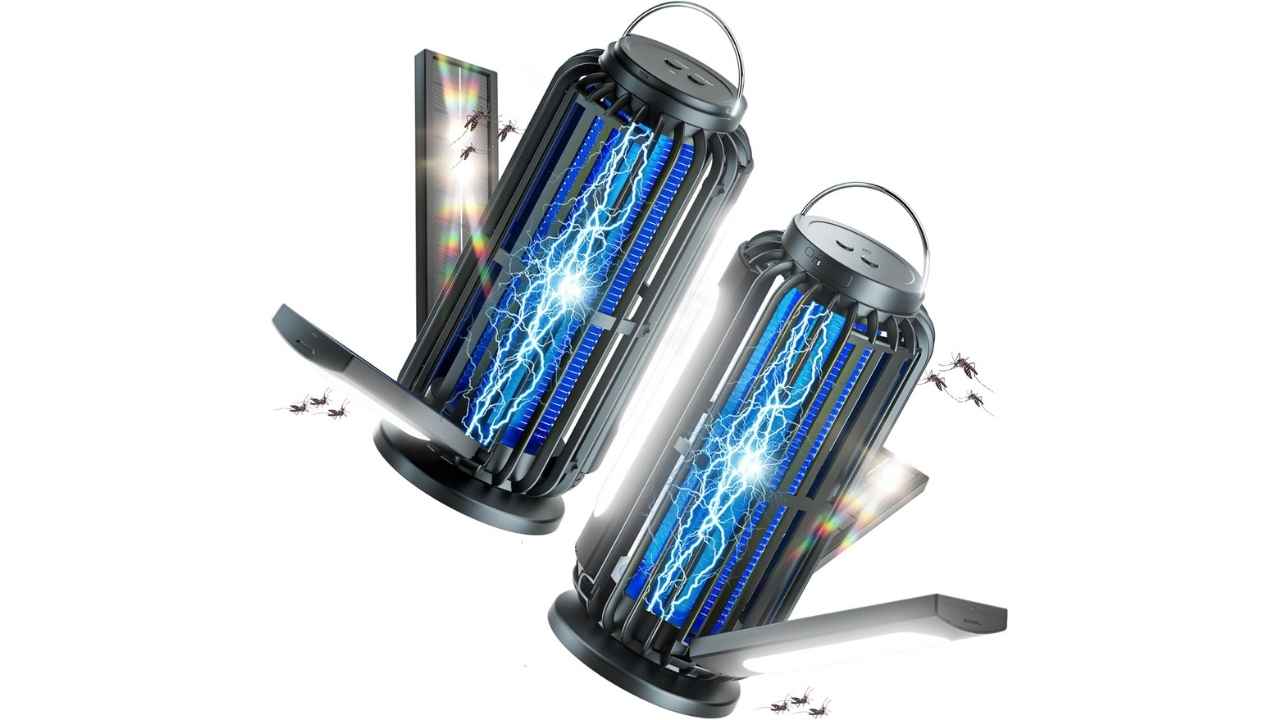 Outdoor essential TYPEC Solar Bug Zapper (36% off) Solar-powered bug zappers for patios and camping. |


